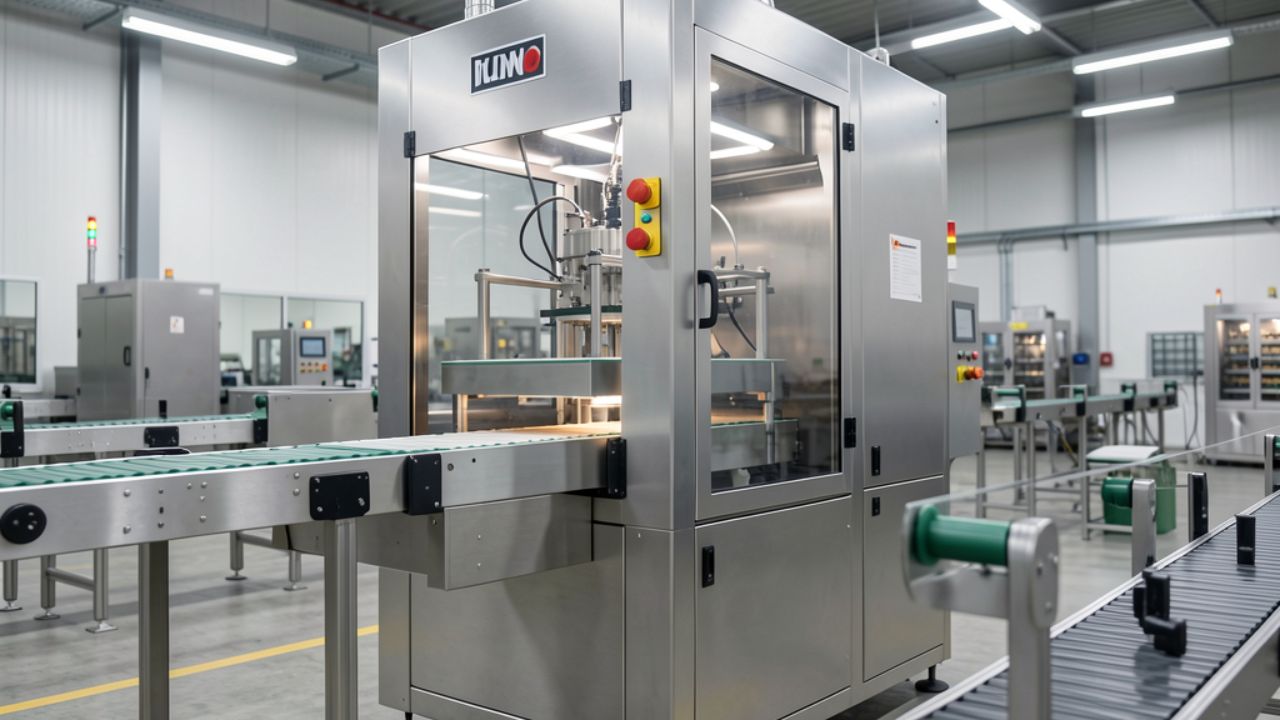
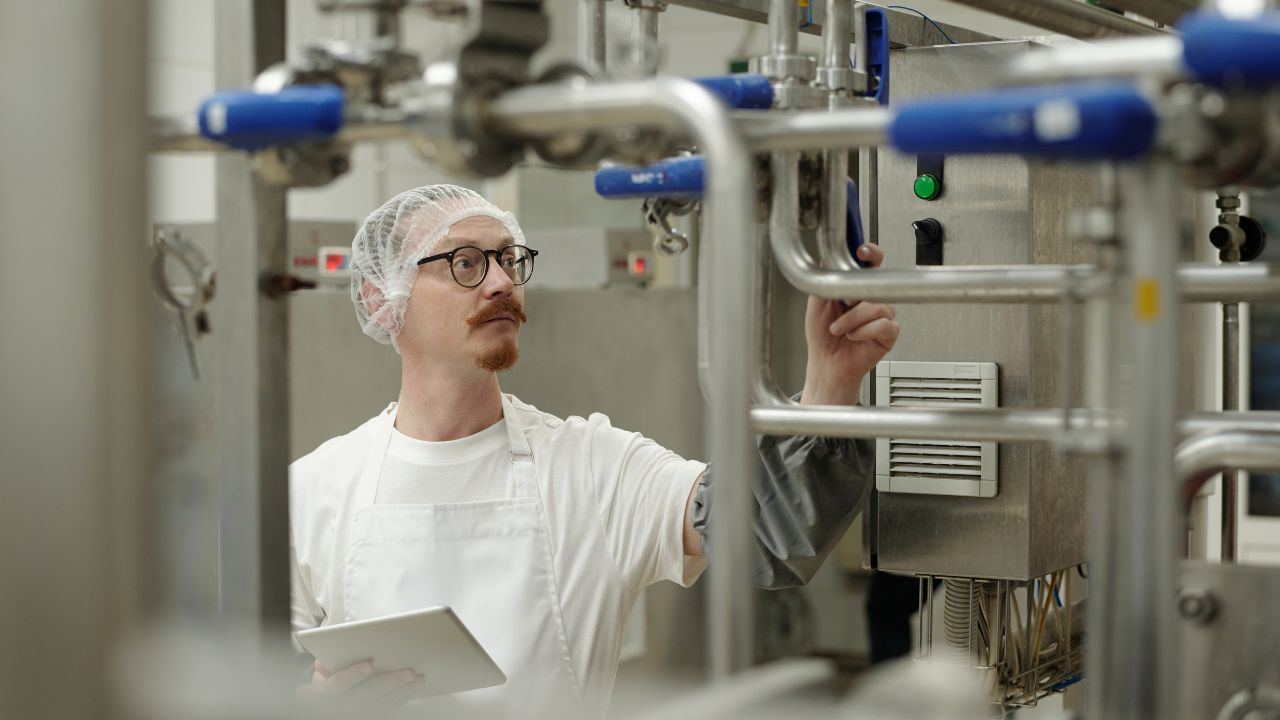
Induction sealing creates hermetic, tamper-evident seals using electromagnetic fields to bond aluminum foil liners to container rims, providing FDA-recognized protection against contamination and unauthorized access.
Equipment scales from handheld units (0.5 kW) to automated systems (6+ kW), making the technology accessible for startups through high-volume manufacturers processing 200+ containers per minute.
Material compatibility determines seal type: Glass containers receive peelable seals while plastic containers (PET, HDPE, PP) achieve weld seals through rim melting, requiring matched liner compositions.
Induction sealing delivers measurable ROI through reduced labor costs, fewer packaging errors, less material waste, decreased product loss, and lower liability exposure from tamper-evident security.
Future innovations focus on Industry 4.0 integration, including AI-driven quality control, predictive maintenance, energy-efficient power supplies, and non-destructive seal validation systems.
Product safety begins with packaging integrity. For manufacturers of pharmaceuticals, supplements, food products, and chemicals, the final seal on a container represents the last line of defense against contamination, tampering, and product degradation. Yet many operations still rely on outdated sealing methods that fail to provide verifiable tamper evidence or hermetic protection—issues that commercial grade packaging machines are engineered to solve.
Induction sealing technology addresses these critical vulnerabilities through a non-contact electromagnetic process that creates permanent, FDA-recognized seals consumers can see and trust. Whether you're a startup packaging your first product line or an established manufacturer scaling to 200+ bottles per minute, understanding induction sealing's capabilities, equipment options, and implementation requirements determines both regulatory compliance and market competitiveness.
This guide provides operations managers, engineers, and procurement decision-makers with the technical specifications, cost analyses, and selection criteria needed to evaluate and implement consumer safety packaging solutions effectively.
What Is An Induction Sealer Machine?
An induction sealer machine is a non-contact heating process that hermetically seals containers using electromagnetic energy. The technology serves three primary functions: providing tamper evidence, preventing leaks, and preserving product integrity. The FDA recognizes induction sealing as an effective means of tamper evidence for pharmaceutical and food products, making it essential for FDA packaging compliance.
How Does An Induction Sealer Machine Work?
The sealing process relies on electromagnetic induction to generate localized heat. A power supply operating at 50 KHz energizes an inductive coil housed in the sealing head, creating a high-frequency electromagnetic field. When a capped container passes beneath the head, this field penetrates the non-metallic cap and induces eddy currents in the aluminum foil liner.
The foil's electrical resistance converts these currents into rapid heat through Joule heating. This heat transfers to the polymer coating on the liner's underside, which melts under combined heat and cap pressure, bonding permanently to the container's land area.
What Are The Key Components Of An Induction Sealer Machine?
Component
Function
Technical Specification
Power Supply
An electrical generator that produces high-frequency energy
Operates at 50 KHz; power range 0.5 kW (manual) to 4 kW+ (automatic)
Sealing Head
Houses the inductive coil and generates an electromagnetic field
Contains a conductor formed into a coil shape
Inductive Coil
Produces an electromagnetic field when energized
Creates field that penetrates non-metallic caps
Control System
Regulates power output, dwell time, and sealing parameters
Adjustable based on cap size and material
Why Are Induction Sealer Machines Critical For Tamper-Evident Packaging?
Induction sealing provides an irreversible security barrier that protects both manufacturers and consumers. The technology creates a permanent tamper evident seal that cannot be reapplied once removed, making any tampering immediately visible.
How Do Induction Sealers Ensure Tamper-Evidence?
During sealing, the aluminum foil liner bonds permanently to the container rim through heat and pressure. Once applied, the foil must be destroyed, torn, or punctured to access the product. This destruction provides clear visual evidence of tampering, as the seal cannot be reapplied or reused after removal.
The resulting bond forms either a peelable seal or a true weld hermetic seal, depending on container material and liner composition, critical considerations for HACCP-compliant packaging equipment.
What Role Does Tamper-Evident Packaging Play In Consumer Safety?
Key Benefits of Tamper-Evident Packaging:
Prevents Contamination: Creates a hermetic barrier preventing external contaminants from entering the product
Increases Consumer Trust: Visible seal integrity provides confidence that product hasn't been tampered with
Prevents Counterfeiting: Hard-to-replicate sealing process deters counterfeit products
Regulatory Compliance: Meets FDA requirements for tamper-evident packaging in pharmaceuticals and many food products
Legal Protection: Provides manufacturers with liability protection by demonstrating commitment to product safety
How Do Induction Sealer Machines Protect Product Integrity?
Induction sealing creates a hermetic barrier that extends shelf life and maintains product quality throughout distribution. The non-contact heating method used in foil seal packaging ensures seal integrity without damaging container threads or cap functionality.
How Does Induction Sealing Secure Packaging?
The hermetic seal prevents oxygen, moisture, and contaminants from entering the container. For plastic containers (PET, HDPE, PP), heat melts the container rim to create a permanent weld. Glass containers, which don't melt, receive a strong peelable seal instead. Seal formation combines heat and pressure to ensure consistent bond strength across production runs. The non-contact heating method preserves container and cap thread integrity for proper reclosure.
What Risks Does Induction Sealing Mitigate?
Risks Mitigated by Induction Sealing:
Contamination: Hermetic seal prevents bacterial, chemical, or physical contaminants from entering the product
Product Spoilage: Oxygen and moisture barrier extends shelf life and prevents degradation
Unauthorized Access/Tampering: Visible destruction of the seal upon opening prevents undetected tampering
Leakage: Secure bond to container rim prevents spills during shipping and handling
Loss of Volatile Compounds: Hermetic seal retains aromas, flavors, and active ingredients
What Types Of Products Benefit Most From Induction Sealing?
Induction sealing serves industries requiring high levels of product protection, regulatory compliance, and consumer safety assurance. The technology proves most valuable for liquid, powder, and semi-solid products in regulated markets requiring specialized container and jar packaging systems.
Which Industries Benefit From Tamper-Evident Packaging?
What Are The Best Product Types For Induction Sealing?
Container Material
Seal Type
Product Forms Compatible
Cap Diameter Range
Notes
Glass
Peelable seal
Liquids, powders, semi-solids
20-120 mm
Most common; glass doesn't melt so seal remains peelable
PET Plastic
Weld seal
Liquids, lightweight powders
20-120 mm
Heat melts plastic rim for permanent weld
HDPE Plastic
Weld seal
Liquids, creams, heavy products
20-120 mm
Durable weld seal; common for chemicals and personal care
PP Plastic
Weld seal
Hot-fill products, chemicals
20-120 mm
Heat-resistant; suitable for high-temperature applications
Metal Containers
Not compatible
N/A
N/A
Metal conducts heat away; cannot use induction sealing
How Do Induction Sealer Machines Improve Packaging Efficiency?
Induction sealing enhances operational efficiency through speed, consistency, and automation. The non-contact process eliminates mechanical wear while maintaining high throughput rates that match modern packaging line requirements.
How Does Induction Sealing Boost Production Speeds?
Standard automatic container sealing equipment achieves line speeds of 10 to 80 bottles per minute (BPM), with high-speed models reaching 200+ BPM. The non-contact heating process allows continuous operation without physical contact or mechanical wear, enabling quick cycle times that support high-throughput packaging lines.
Seamless integration with existing conveyor systems maintains uninterrupted production flow. Automated systems eliminate manual sealing labor, freeing operators to focus on quality control and line management.
What Are The Cost Savings Associated With Induction Sealing?
Cost Savings from Induction Sealing:
Reduced Labor Costs: Automated process eliminates the need for manual sealing operations
Fewer Packaging Errors: Consistent seal quality reduces defects and rework
Less Material Waste: Precise heating reduces damaged liners and containers
Lower Product Loss: Hermetic seal prevents leakage and spoilage, reducing waste
What Are The Main Types Of Induction Sealer Machines?
Induction sealers range from portable handheld units to automated systems. Selection depends on production volume, operational needs, and integration requirements.
What Are Handheld Induction Sealers?
Handheld sealers are portable units for low-volume operations, offering sealing power from 0.5 kW to 1.2 kW. They fit cap diameters of 20-100 mm (up to 130 mm in some models) and are ideal for small-batch production, testing, and startups. These units have a low initial cost and are manually operated.
What Are Automatic Induction Sealer Machines?
Automatic sealers are integrated with conveyor systems for continuous operation. Air-cooled (1-4 kW) systems handle medium volumes, while water-cooled (2-6+ kW) systems are suitable for high-speed, 24/7 production. They offer precise control of sealing parameters and can be synchronized with filling and capping equipment.
Which Type Of Induction Sealer Is Best For High-Volume Operations?
High-power water-cooled sealers (2-6+ kW) are best for high-volume operations, offering continuous, 24/7 operation with production rates over 200 CPM. Features include automated quality control, integrated inspection, and advanced monitoring.
How Do You Choose The Right Induction Sealer For Your Needs?
Select an induction sealer based on production needs, container specifications, and operational constraints to ensure quality seals and efficiency.
What Key Factors Should You Consider When Choosing An Induction Sealer?
Consider the following:
Production Volume: Match machine capacity (10-80+ BPM) to throughput.
Cap Diameter: Ensure the machine fits the container size (20-120 mm).
Material Compatibility: Verify the machine works with various container types (glass, PET, HDPE, PP).
Power Requirements: Choose the appropriate power for your volume (0.5 kW to 6+ kW).
Cooling System: Air-cooled for medium volume, water-cooled for high-volume or continuous use.
Integration: Ensure compatibility with existing packaging lines.
Budget: Balance cost with long-term ROI.
Seal Type: Determine if you need a peelable or weld seal.
How Do Material Type And Package Shape Affect Sealing Requirements?
Material
Compatible Shapes
Seal Type
Power Setting
Considerations
Glass
Round, square, oval, irregular
Peelable
Moderate (2-3 kW)
No rim melting
PET Plastic
Cylindrical, square, rectangular
Weld
Moderate-High (2-4 kW)
Flat rim needed
HDPE Plastic
Various shapes
Weld
Moderate-High (2-4 kW)
Thicker walls need more power
PP Plastic
Round, square, wide-mouth
Weld
High (3-5 kW)
Heat-resistant, needs precise control
Irregular Shapes
Complex contours
Variable
Adjusted per application
May need custom heads
What Are The Maintenance And Service Requirements For Induction Sealing Machines?
Routine maintenance ensures seal quality, prevents downtime, and ensures regulatory compliance.
How Often Should Induction Sealers Be Serviced?
Daily: Inspect sealing head, clean surfaces, verify seal quality on first run.
Weekly: Check sealing head wear, verify power settings, and inspect the cooling system.
Monthly: Perform seal strength tests, check calibration, and inspect electrical connections.
Quarterly: Full system inspection, replace worn parts, and validate seal performance.
Annually: Professional service, electrical safety tests, and update regulatory documentation.
What Are The Common Issues Requiring Maintenance?
Incomplete Seals: Adjust power or dwell time.
Burnt Seals: Recalibrate parameters.
Pinhole Leaks: Check liner/container compatibility or sealing surface cleanliness.
Inconsistent Seal Quality: Inspect sealing head coils or power supply.
Overheating: Check cooling system functionality.
Misalignment: Adjust the mechanical positioning of containers.
What Challenges Do Businesses Face With Induction Sealer Machines?
Common challenges include improper calibration, material incompatibility, and equipment configuration, leading to troubleshooting needs and performance optimization.
What Calibration Issues Can Affect Induction Sealing?
The most common issues are incorrect power settings, improper cap torque, misconfigured dwell time, and frequency drift, all of which lead to weak or burnt seals, inconsistent quality, and potential compliance failures.
How Do Irregular Container Shapes Impact Induction Sealing?
Irregular shapes create inconsistent seal coverage, difficulty achieving proper liner-to-rim contact, and weak seals at edges. These containers often require custom liners and specialized sealing heads for complete coverage.
How Does Induction Sealing Compare To Other Tamper-Evident Packaging Methods?
Induction sealing offers excellent tamper-evidence and leak protection, while other methods like pressure-sensitive adhesive seals and heat shrink bands may have lower costs but offer less secure or effective tamper evidence.
How Does Induction Sealing Compare To Pressure-Sensitive Adhesive Seals?
Factor
Induction Sealing
Pressure-Sensitive Adhesive Seals
Initial Equipment Cost
$3,000-$50,000+
$500-$5,000
Material Cost
$0.02-$0.08 per seal
$0.01-$0.03 per seal
Application Speed
10-80+ BPM (automated)
20-60 BPM (manual/semi-auto)
Seal Strength
Hermetic seal
Surface adhesion only
Tamper Evidence
Excellent
Good
Regulatory Acceptance
FDA-recognized for food/pharma
Accepted with extra features
Rework/Resealing
Not possible
Difficult but possible
How Does Induction Sealing Compare To Heat Shrink Bands?
Factor
Induction Sealing
Heat Shrink Bands
Cost per Unit
$0.02-$0.08
$0.01-$0.05
Equipment Investment
$3,000-$50,000+
$5,000-$30,000+
Ease of Application
Automated
Requires separate steps
Seal/Barrier Function
Hermetic internal seal
External evidence only
Tamper Evidence
Excellent
Good
Production Speed
10-80+ BPM
30-100+ BPM
Aesthetic Appeal
Hidden unless printed
Visible branding opportunity
What Are The Benefits Of Induction Sealing For Product Safety?
Induction sealing provides a physical barrier against contamination, enhances product integrity, and boosts consumer trust with visible quality indicators.
How Does Induction Sealing Enhance Consumer Confidence?
Induction sealing offers visible proof of tampering protection, ensuring product freshness and quality. Its FDA-recognized status signals to consumers that the manufacturer values safety and quality.
What Role Does Induction Sealing Play In Preventing Product Counterfeiting?
Induction sealing acts as a strong anti-counterfeiting measure by requiring specialized equipment, using difficult-to-replicate liners, and preventing resealing after removal. Serialization and proprietary liners further enhance protection against counterfeiting.
What Are The Future Trends In Induction Sealing Technology?
The induction sealing industry continues evolving toward greater automation, efficiency, and integration with smart manufacturing systems. These advances promise improved performance, reduced costs, and enhanced quality control capabilities.
How Are Automation And AI Impacting Induction Sealing Machines?
Modern induction sealers increasingly integrate with Industry 4.0 manufacturing systems, enabling real-time monitoring of seal quality parameters and automatic adjustment of power settings. Artificial intelligence algorithms analyze seal performance data to predict maintenance needs before failures occur, minimizing unexpected downtime. Machine learning systems automatically optimize sealing parameters for new container/liner combinations, reducing setup time and improving first-run success rates.
Automated data logging for regulatory compliance creates comprehensive documentation trails without manual record-keeping. Remote diagnostics capabilities allow equipment manufacturers to troubleshoot issues and update control software without on-site visits, reducing service costs and response times.
What Innovations Are Expected In The Induction Sealing Industry?
Future Innovations:
Energy-Efficient Machines: Next-generation power supplies that reduce energy consumption by 20-30% while maintaining sealing performance
Smart Technology Integration (IoT): Networked sealers that communicate with ERP systems for inventory management and production scheduling
AI-Driven Quality Control: Computer vision systems that inspect 100% of seals for defects, automatically rejecting non-conforming units through advanced inspection systems
Advanced Cooling Systems: Improved thermal management for higher-speed operation without increased equipment footprint
Improved Liner Materials: Development of thinner, more effective foils and eco-friendly polymer coatings that maintain hermetic sealing properties
Enhanced Seal Validation Systems: Non-destructive testing technologies (ultrasonic, optical) that verify seal integrity without removing the liner
Integrated Track-and-Trace: Built-in printing or tagging capabilities for applying serialization directly to liners during the sealing process
Why Induction Sealer Machines Are Essential For Ensuring Consumer Safety
Induction sealing is a vital packaging solution that creates tamper-evident, hermetic seals, ensuring product integrity from production to consumption. FDA-recognized and effective across glass and plastic containers (20-120 mm), induction sealing prevents contamination, extends shelf life, and ensures regulatory compliance. With scalable options from 0.5 kW handheld units to 6+ kW automated systems, it suits businesses of all sizes, maintaining consistent seal quality and boosting consumer trust.
For manufacturers, induction sealing is not just a compliance tool but a strategic investment. It enhances operational efficiency, reduces labor costs, and builds consumer confidence. To implement effectively, assess production needs, validate compatibility, establish maintenance protocols, and explore technologies like AI and IoT for continuous improvement. As regulatory demands and consumer expectations grow, induction sealing helps manufacturers protect their brand while ensuring product safety.
Ready to upgrade your packaging line with induction sealing technology? Contact Wolf Packing's engineering team to discuss custom sealing solutions designed for your production requirements.
At Wolf-Packing Machine Company, we believe that the key to success is a commitment to excellence in everything we do. That’s why we use only the highest quality materials and the most advanced technology to create packaging machines that are efficient, reliable, and cost-effective.
What’s new at Wolf Packing?
// <#?php
// /**
// * Exclude Current Posts from the query
// */
// add_action( 'pre_get_posts', function ( $query ) {
// // not an admin page and not the main query
// if ( ! is_admin() && ! $query->is_main_query() ) {
// $query->set( 'post__not_in', array( get_the_ID() ) );
// }
// } );
// ?>
From design through testing, installation and beyond, we work tirelessly to ensure your equipment is running at peak performance and maximizing your application. To learn more about our machines, reach out to set up a free consultation with our in-house experts.
From weigh filling, bagging, wrapping and conveying to capping, labeling, cartoning, case/tray forming, packing and palletizing, we offer packaging solutions for a diverse array of applications.