Key Takeaways
- Calibration drives accuracy: Fill-by-Weight Feedback systems deliver +4.2% accuracy improvement, achieving over 99.7% dosing precision compared to 97.5% for uncalibrated auger filler machines.
- Material properties matter: Medium to coarse powders (200-1,000 μm) with a flowability index above 4.0 achieve 99.0-99.5% accuracy, while fine powders under 100 μm drop to 97.5% due to cohesion and static.
- Auger fillers outperform alternatives: Averaging 60 fills per minute with 99.2% accuracy, auger filling systems run 2-3× faster than net weight fillers while maintaining superior precision across powder types.
- Reliability reduces costs: Quality automatic powder fillers demonstrate 98.5% uptime (only 15 hours of downtime per 1,000 operating hours), delivering approximately 3,552 fills per hour of effective throughput.
- Strategic maintenance extends life: Advanced systems with Statistical Process Control operate 30 days between calibrations, while regular auger screw inspection and hopper cleaning prevent accuracy drift in powder dosing machines.
Powder dosing accuracy determines product quality, regulatory compliance, and profitability across pharmaceutical, food, and chemical manufacturing. Reliable auger filler machines deliver consistent volumetric dosing at high speeds, but achieving optimal accuracy requires understanding calibration methods, material properties, and maintenance protocols. This guide explains how auger filling systems work, what factors affect dosing precision, and proven strategies for maintaining accuracy over time.
Learn calibration techniques that improve performance by up to 4.2%, troubleshooting methods for common accuracy issues, and best practices that extend equipment life. Whether you're evaluating new packaging machinery for powders or optimizing existing automatic powder fillers, these insights help you achieve reliable, cost-effective powder dosing every time.
What Is an Auger Filler and How Does It Work?
Auger filler machines use rotating screw mechanisms to deliver precise powder volumes into containers. These automatic powder fillers dominate pharmaceutical, food, and chemical packaging due to their speed, accuracy, and versatility across powder types.
How Do Auger Filler Machines Function for Powder Dosing?
Auger filling systems operate on volumetric dosing principles. A rotating auger screw draws powder from a hopper and delivers consistent volumes into each container. Industry-standard auger fillers achieve 98-99.5% accuracy across powder dosing applications. Properly calibrated systems reach 99.2% accuracy, meeting strict pharmaceutical and food manufacturing requirements.
What Are the Key Components of an Auger Filling System?
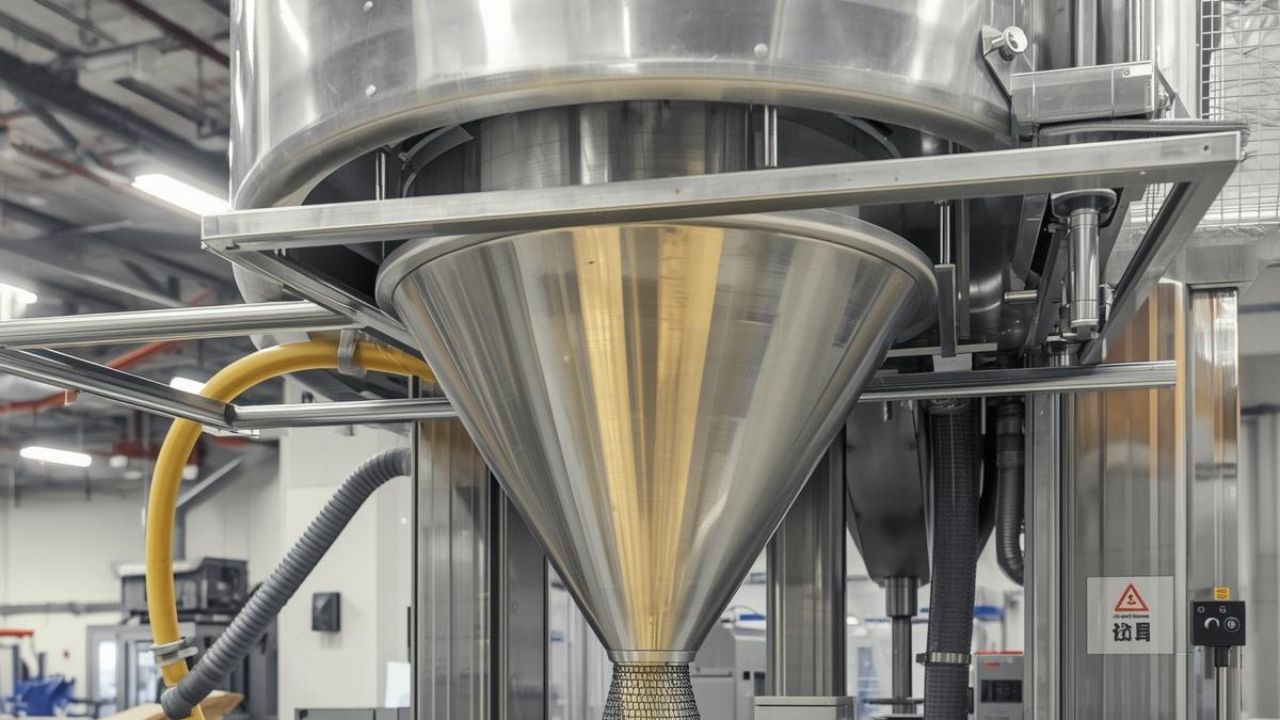
An auger filling system includes the auger shaft, hopper, straight auger, spinner plate, lock mechanisms, agitator, hopper coupling, funnel system, and discharge nozzle. Each component works together to maintain consistent powder flow and dosing precision. Modular tooling design allows operators to swap flight configurations, funnels, and discharge nozzles based on powder characteristics—fine pharmaceutical powders require different auger geometries than coarse food ingredients.
How Can I Ensure My Auger Fillers Provide Consistent and Accurate Powder Dosing?
Calibration and maintenance determine auger filler performance. Uncalibrated systems deliver only 97.5% accuracy, while properly maintained automatic powder fillers exceed 99.7%. Strategic calibration methods and routine packaging equipment maintenance ensure consistent dosing across production runs.
What Calibration Methods Are Essential for Accurate Powder Dosing?
Fill-by-Weight Feedback delivers the highest accuracy gains—up to +4.2% improvement through real-time weighing with automatic adjustment. These weigh filling machines achieve over 99.7% accuracy after calibration. Multi-Point Calibration provides +3.5% improvement using multiple test weights across the fill range for comprehensive tuning.
Budget-conscious operations benefit from Servo Speed Calibration, which takes only 20 minutes and delivers measurable results through precise motor speed adjustment. Manual Weight Adjustment offers the best ROI (15.0 score) due to minimal cost and simple test-and-adjust methodology. Statistical Process Control (SPC) enables continuous monitoring and adjustment based on trend analysis. Additional methods include Density Monitoring (+2-3% improvement) and Temperature Compensation (+1-2% improvement) for environments with fluctuating conditions.
How Can Regular Maintenance Enhance the Performance of Automatic Powder Fillers?
Properly maintained auger filling systems demonstrate 98.5% uptime—only 15 hours downtime per 1,000 operating hours. This reliability translates to approximately 3,552 fills per hour of effective throughput. Advanced systems with Fill-by-Weight Feedback or SPC operate 30 days between calibrations, reducing labor costs while maintaining accuracy. Consistent packaging equipment maintenance prevents accuracy drift and extends component life.
How Does the Integration of Weigh Filling Machines Contribute to Accuracy?
Weigh filling machines add gravimetric verification to volumetric auger dosing. Weight-based systems achieve +0.2-0.5% higher accuracy compared to volumetric dosing alone. This hybrid approach combines auger filler speed with scale precision—critical for high-value pharmaceuticals and nutraceuticals where every gram counts.
The Importance of Accuracy in Powder Dosing
Dosing accuracy impacts product quality, regulatory compliance, and profitability. Even small deviations compound across thousands of fills, creating significant material waste and potential regulatory issues. Powder dosing machines must meet strict tolerances to protect both consumers and bottom lines.
How Does Inaccurate Dosing Affect Product Quality and Cost-Efficiency?
Inaccurate dosing directly impacts throughput rates and operational costs. Overfilling wastes expensive raw materials—particularly costly for high-value pharmaceuticals and nutraceuticals. Underfilling creates regulatory violations, customer complaints, and potential product recalls. Industry standards require ±1% tolerance from target weight/volume for pharmaceutical and food powder applications. Auger filler machines that consistently miss this tolerance slow production as operators adjust settings, retest batches, and manage quality control failures.
Which Industries Most Benefit from Accurate Powder Dosing Machines?
Pharmaceutical, food, nutraceutical, and chemical manufacturing operations demand precise powder dosing machines. These industries face strict regulatory oversight and high material costs where accuracy translates directly to compliance and profitability. Specific products like protein powder, milk powder, spices, and seasonings require consistent dosing to maintain flavor profiles, nutritional claims, and label accuracy. Automatic powder fillers with proven accuracy protect brand reputation and reduce waste across these applications.
Key Factors Affecting the Accuracy of Auger Fillers
Material properties, machine design, and environmental conditions determine auger filler accuracy. Understanding these variables helps operators select appropriate packaging machinery for powders and optimize system performance across different products.
How Does the Product's Flowability Influence Dosing Precision in Auger Fillers?
Medium to coarse powders (200-1,000 μm) achieve the highest accuracy at 99.0-99.5% in auger filling systems. Fine powders under 100 μm present challenges—cohesion and static electricity reduce accuracy to 97.5%. Materials with flowability index above 4.0 consistently achieve over 99% accuracy, while poor-flowing powders require additional agitation or alternative dosing methods.
Bulk density significantly impacts performance. Moderate densities between 0.5-0.7 g/cm³ correlate with better dosing consistency in automatic powder fillers. Flowability assessments use Hausner ratio and angle of repose measurements to predict auger filler compatibility. Operators should test new powder formulations before committing to production runs.
What Role Does Machine Design Play in Achieving Consistent Powder Dosing?
Auger filler machines score 9/10 for product versatility—the highest among powder dosing machines. This versatility stems from modular auger designs that accommodate diverse powder characteristics. Advanced servo motor control interfaces enable precision conversion parameters that optimize accuracy for each product. Quality packaging machinery for powders includes adjustable flight pitch, customizable hopper configurations, and programmable fill speeds that adapt to material properties.
How Do Environmental Factors (Humidity, Temperature) Impact Auger Filler Performance?
Temperature and humidity shifts can change auger filler accuracy by ±0.5%. Powder characteristics vary with environmental conditions—moisture absorption affects flowability, while temperature changes impact bulk density and static electricity. Pharmaceutical and food production facilities require climate control and continuous environmental monitoring for consistent dosing. Operators should recalibrate auger filling systems when seasonal temperature swings exceed 10°F or relative humidity changes more than 15%.
Auger Filler Machine Types and Their Impact on Dosing Accuracy
Different powder dosing machines suit different applications. Auger filling systems excel in speed, accuracy, and versatility compared to alternative technologies. Understanding these differences helps operations select optimal packaging machinery for powders.
How Do Vertical Form Filler Sealing Machines Compare to Auger Fillers for Powder Dosing?
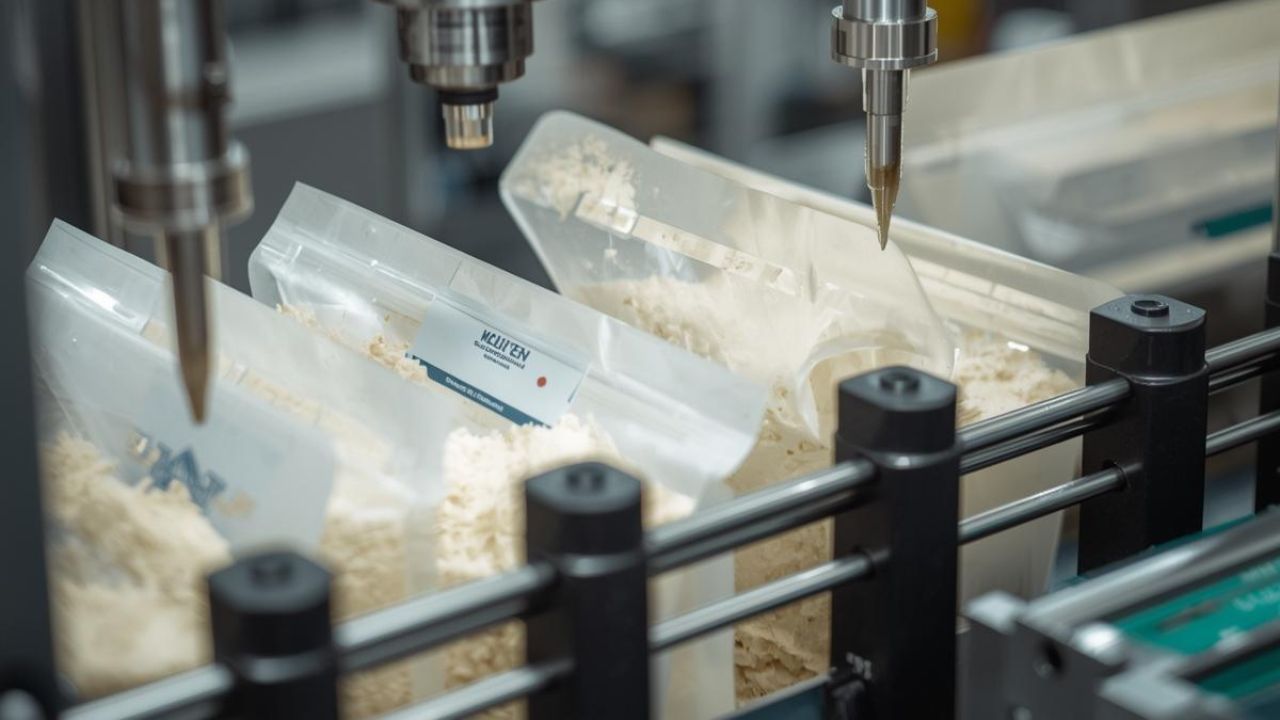
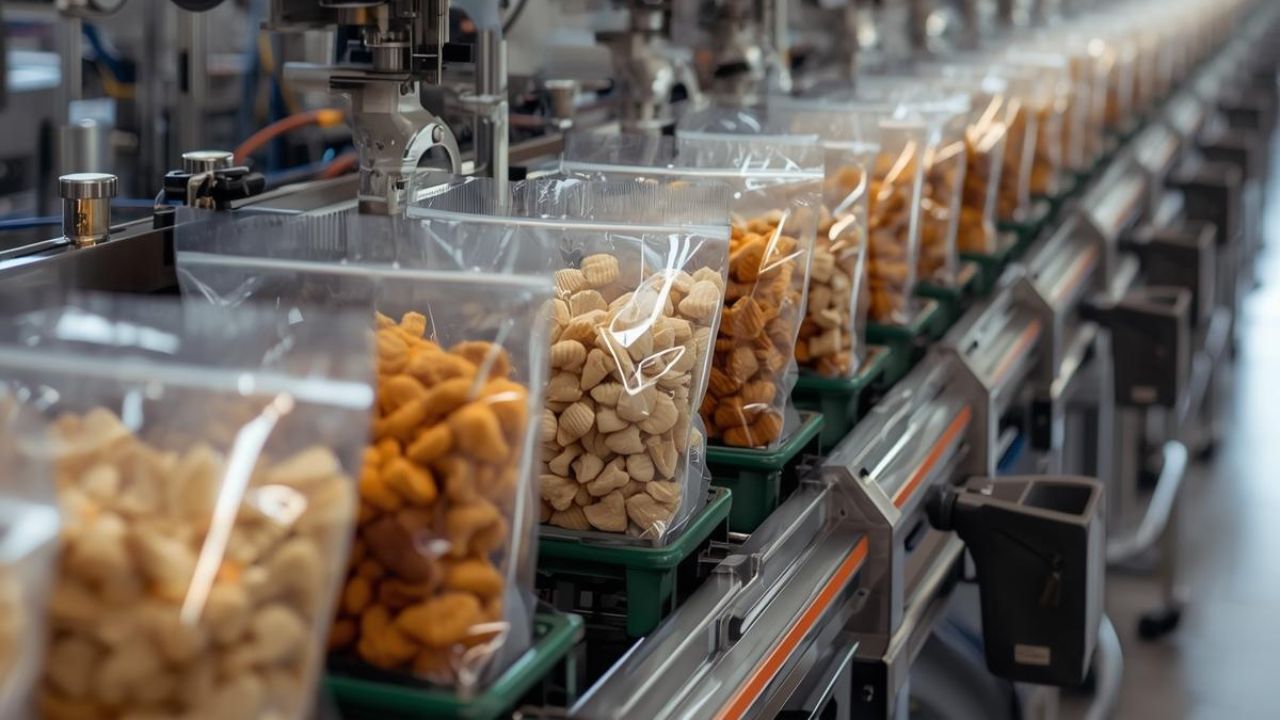
Vertical form filler sealing machines and auger fillers complement each other; auger filling systems integrate directly with vertical form-fill-seal (VFFS) equipment for complete packaging lines. The VFFS creates bags from roll stock while the auger filler doses powder into each formed pouch. This integration streamlines production and reduces labor costs.
Industrial dual-head auger filler machines enable simultaneous filling operations that double production capacity. Two auger filling systems feed a single VFFS line, maintaining continuous bag formation while alternating fills. This configuration maximizes throughput for high-volume operations.
What Are the Advantages of Using Auger Filling Systems Over Other Types of Powder Dosing Machinery?
Auger filler machines average 60 fills per minute—up to 70 fills/min for bag applications. This makes them 2-3× faster than net weight fillers while maintaining superior accuracy.
Technology comparison shows clear advantages. Auger fillers deliver the best overall performance with highest speed, accuracy, and versatility across powder types. Volumetric cup fillers cost less but offer reduced speed and accuracy, suitable only for free-flowing products. Piston fillers handle viscous pastes but suffer highest downtime and maintenance requirements. Vacuum fillers work well for fragile powders with moderate performance metrics. Vibratory fillers provide lowest equipment cost but limited versatility and longer changeover times. For most powder dosing applications, automatic powder fillers using auger technology provide optimal balance of speed, accuracy, and reliability.
Troubleshooting Auger Filler Accuracy Issues
Accuracy problems stem from material properties, equipment condition, or environmental factors. Systematic troubleshooting identifies root causes and restores auger filler machines to specification. Most issues resolve through calibration adjustments or component replacement.
What Are the Most Common Issues Affecting Auger Filler Accuracy?
Material-related issues top the list—fine powder cohesion, static electricity, and poor flowability prevent consistent flow through auger filling systems. Equipment factors include improper calibration, worn auger flights or seals, and incorrect auger sizing for the product. Environmental conditions also impact performance as temperature and humidity fluctuations alter powder characteristics. Moisture absorption changes bulk density while temperature shifts affect static charge buildup in automatic powder fillers.
How Can You Fix Issues with Inconsistent Dosing in Auger Filling Systems?
Start with diagnostic testing using different powder types to isolate flowability-related issues from equipment problems. If accuracy improves with free-flowing materials, the issue relates to powder characteristics rather than mechanical failure. Implement multi-point calibration for operations running variable products—this comprehensive tuning accounts for different powder behaviors across the fill range.
Equipment optimization requires matching auger flight configuration to specific powder characteristics. Fine powders need tighter flight pitch and slower rotation speeds, while coarse materials perform better with wider pitch and faster speeds. Regular packaging equipment maintenance prevents worn components from degrading accuracy. Replace auger flights showing visible wear, inspect seals for powder leakage, and verify servo motor performance through speed calibration tests.
Best Practices for Maintaining Auger Fillers and Ensuring Long-Term Accuracy
Preventive packaging equipment maintenance protects dosing accuracy and extends equipment life. Scheduled inspections catch wear before it affects performance. Maintenance intervals vary based on operating hours, product characteristics, and accuracy requirements.
How Often Should Packaging Equipment Maintenance Be Conducted to Ensure Accurate Powder Dosing?
Base maintenance schedules on operating hours and product type. Abrasive powders like minerals or metal oxides wear auger flights faster than smooth pharmaceutical excipients. Sticky materials require more frequent cleaning than free-flowing products.
Calibration frequency depends on product value and accuracy needs. High-value pharmaceutical operations use continuous monitoring with Fill-by-Weight systems that self-adjust in real time. Standard operations running automatic powder fillers with Statistical Process Control (SPC) calibrate at 30-day intervals. Basic operations without advanced monitoring require more frequent manual verification—weekly or even daily for critical applications. Document all calibration results to track accuracy drift patterns in auger filling systems.
What Maintenance Tasks Are Essential for Optimal Performance of Powder Dosing Machines?
Critical maintenance areas include auger screw inspection for wear, hopper cleaning to prevent contamination, servo motor calibration for speed accuracy, and seal replacement to eliminate powder leakage. Inspect auger flights weekly for scoring, pitting, or dimension changes that affect volumetric consistency. Clean hoppers between product changeovers to prevent cross-contamination in powder dosing machines.
Preventive maintenance focuses on regular cleaning to prevent powder buildup in critical areas and component wear monitoring before failure occurs. Check discharge nozzles for powder caking, verify agitator function, and lubricate moving parts per manufacturer specifications. Pharmaceutical installations require special cleanroom-compatible protocols—use approved cleaning agents, document sanitation procedures, and maintain particle count standards. Replace HEPA filters and validate cleaning effectiveness through swab testing on auger filler machines in regulated environments.
The Benefits of Investing in High-Quality Auger Fillers
Quality auger filler machines deliver measurable returns through reduced waste, higher uptime, and operational flexibility. Initial equipment costs pale against long-term savings from accurate dosing and reliable performance. Strategic investment in precision automatic powder fillers pays dividends across product lines.
How Does Investing in Precision Auger Fillers Reduce Operational Costs in Packaging?
High-implementation-cost calibration methods like Fill-by-Weight systems justify investment through maximum accuracy for high-value products. Pharmaceutical and nutraceutical operations running expensive active ingredients recover equipment costs quickly by eliminating overfill waste. The ROI calculation—(Accuracy Improvement / Cost Factor) × 10—quantifies returns from precision upgrades.
Budget-friendly options exist for cost-conscious operations. Servo Speed Calibration delivers measurable accuracy gains with faster payback periods than advanced weigh filling machines. Match calibration sophistication to product value—basic manual adjustment suffices for low-margin commodities while high-value materials warrant continuous monitoring systems. Right-sizing technology investment optimizes ROI across different powder dosing applications.
Why Is High-Quality Packaging Machinery for Powders Important for Long-Term Business Success?
Premium auger filling systems demonstrate 98.5% uptime—minimal production interruption compared to budget equipment requiring frequent repairs. This reliability translates to predictable output, on-time deliveries, and reduced emergency maintenance costs. Quality packaging machinery for powders maintains accuracy over years of operation rather than drifting out of specification.
Versatility enables product line growth. Top-tier auger filler machines handle a wide range of powder types (9/10 versatility score), allowing operations to add new products without purchasing dedicated equipment. This flexibility protects against market changes and supports business expansion. Companies that invest in quality automatic powder fillers maintain competitive advantages through consistent dosing accuracy, operational reliability, and adaptability to evolving product portfolios.
Achieve Superior Powder Dosing Accuracy with Wolf-Packing Machine Company
Ready to upgrade your powder packaging operation? Wolf-Packing Machine Company delivers precision auger filler machines engineered for maximum accuracy and reliability. Our automatic powder fillers achieve industry-leading 99.7% dosing accuracy while maintaining 98.5% uptime across demanding production environments. Whether you're packaging pharmaceuticals, nutraceuticals, food products, or specialty chemicals, our auger filling systems adapt to your specific powder characteristics and throughput requirements. Our expert team provides comprehensive support from equipment selection through installation, calibration, and ongoing packaging equipment maintenance. Contact Wolf-Packing Machine Company today to discuss your powder dosing challenges and discover how our high-quality packaging machines—including proven auger filler technology—reduce waste, ensure regulatory compliance, and maximize your ROI.