Speed and efficiency: Automatic capping systems increase production capacity 50-100% while reducing workforce requirements from 20 to 5 workers, eliminating labor shortage bottlenecks.
Precision and quality: Servo-driven systems achieve ±1 in-lb torque accuracy with 99.6% consistency, reducing waste from 5-8% to under 2% and ensuring FDA compliance.
Rapid ROI: Equipment investments of $150,000-$500,000 deliver 18-24 month payback periods through $400K+ annual labor and waste savings, followed by 13+ years of continued benefits.
Scalability and flexibility: Modular designs with 4-20 capping heads accommodate 12-600 CPM production ranges with under 30-minute changeovers between products, supporting 3-5 year growth projections.
American manufacturing advantage: US-based equipment provides 2-3 day parts availability versus 6-8 week overseas delays, lifetime technical support, and stainless steel construction lasting 15+ years.
Manufacturers are grappling with labor shortages, capacity constraints, and quality inconsistencies, making manual capping processes unsustainable. Automatic capping machines offer an efficient solution, increasing production capacity while reducing labor needs. This guide explores the types of automatic capping machines, their performance, and ROI, helping manufacturers make informed decisions on automation.
Understanding Automatic Capping Machines: Types And Core Technology
Automatic capping machines seal containers at production speeds ranging from 50 to 600+ containers per minute. The right system choice depends on the cap type, required torque precision, and production volume. Understanding the core technologies enables informed equipment selection aligned with operational needs.
What Are The Main Types Of Automatic Capping Machines?
Four primary capper types dominate modern bottling operations, each optimized for specific applications and production requirements.
Machine Types Overview:
Capper Type
Speed Range (CPM)
Torque Accuracy
Best For
Spindle Capper
50 - 300+
±2 to ±4 in-lbs
High-volume standard screw caps
Chuck Capper (Inline)
Up to 60
±3% deviation
Specialty/precision applications
Servo Rotary Chuck
12 - 600
±1 in-lb or better
High-speed precision needs
Snap/Press-On Capper
Up to 180
Force-based (no torque)
Non-threaded closures
Key Components:
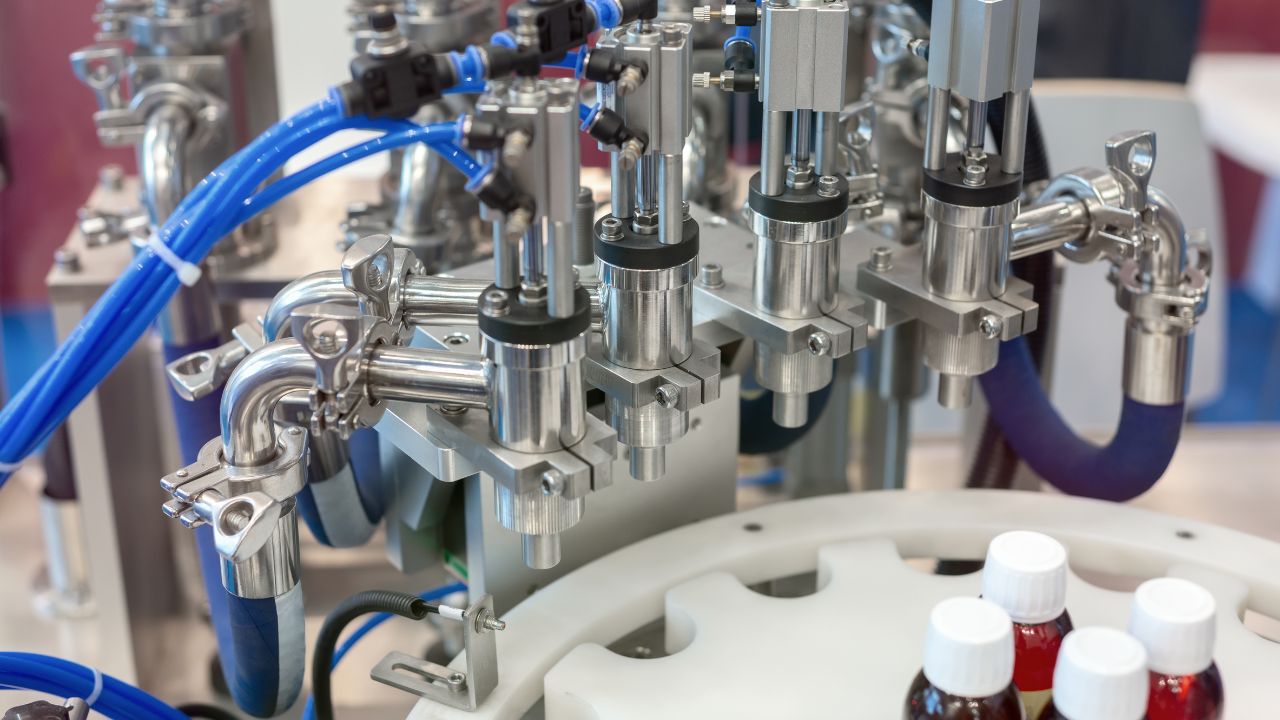
Capping heads: spindle wheels or chuck mechanisms that apply closure torque
Torque control systems: pneumatic clutches, magnetic clutches, or servo motors
Sensors: monitor torque application, cap presence, and alignment accuracy
HMI touchscreen controls: operators master systems in days rather than weeks
Conveyor integration: enables continuous operation without manual handling
Cap & Container Compatibility:
Spindle Cappers: Standard screw-on caps with continuous thread (plastic on plastic)
Chuck Cappers: Specialty closures, including metal, child-resistant, and pump caps
Container materials include glass, PET, HDPE, PP, and aluminum bottles with 20mm-120mm diameter range, all compatible with modern container and jar packaging systems.
The Three Critical Factors: Speed, Accuracy, And ROI
Production speed, torque consistency, and financial return determine capping system value. These metrics directly impact labor costs, waste reduction, and capacity expansion potential.
How Do Automatic Capping Machines Improve Production Speed?
Manual operations processing 50-500 packages per minute require 20+ workers, facing 40% annual turnover. Automatic systems achieve identical output with 5 workers, maintaining a consistent 24/7 operation. Productivity gains reach 50-100% without facility expansion.
Speed Optimization Features:
Continuous motion systems never stop bottles during the capping process
Quick changeovers complete transitions under 30 minutes between products
Multi-head configurations deploy 4-20 capping heads for maximum throughput
Real-World Performance: Operations achieving 65% output increases post-automation eliminate production bottlenecks from labor shortages. Systems support 15-40% year-over-year growth without workforce expansion requirements.
What Determines Capping Accuracy And Consistency?
Cap torque control technology separates precision systems from basic automation. Different mechanisms deliver varying accuracy levels matched to application requirements.
Spindle Cappers: Pneumatic or magnetic clutches control final tightening with ±2 to ±4 inch-lbs removal torque accuracy. Magnetic clutches provide excellent repeatability for standard applications.
Chuck Cappers: Highly accurate clutches disengage at exact torque with ±3% standard deviation. Essential for child-resistant and tamper-evident closures requiring regulatory compliance.
Servo Rotary Systems: Direct servo motor control eliminates clutch wear entirely, delivering ±1 inch-lb accuracy or better across 5-30 or 15-100 in-lbs torque ranges. Zero-wear parts ensure superior long-term consistency.
Quality Results: Automated systems improve accuracy from 92% (manual) to 99.6%, achieving 99.5%+ specifications consistently. Waste drops from 5-8% to under 2%. Customer complaints decline dramatically. Sensors verify cap presence, alignment, and proper torque with real-time monitoring, preventing progressive drift. Built-in data logging provides FDA compliance and traceability documentation, often integrated with inspection systems for complete quality assurance.
What Is The ROI Of Investing In Automatic Capping Machines?
Labor reduction drives primary savings, with workforce requirements dropping from 20 to 5 workers (75% reduction). Operations achieve 30-40% overall labor cost reductions totaling ~$400,000 annually. Eliminated recruitment and training costs ($15,000-$30,000 per hire) compound savings by avoiding 40% first-year turnover.
Waste & Efficiency Gains: Reducing waste from 5-8% to under 2% saves $80,000 annually. Downtime avoidance prevents $50,000-$200,000 annual losses. Equipment failures cost $5,000-$15,000 per production hour.
Payback Period Analysis:
Production Volume
Equipment Investment
Annual Savings
Payback Period
50-150 CPM
$150K - $275K
$230K - $380K
12-18 months
150-300 CPM
$275K - $400K
$380K - $600K
15-24 months
300+ CPM
$400K - $500K+
$600K - $800K+
18-24 months
Total Cost of Ownership: Reliable $250K bottle capping equipment outperforms $150K systems, experiencing 20% downtime. Cheap equipment costs 3X more through repairs, downtime, and operational frustration. US-based equipment provides 2-3 day parts availability versus 6-8 week overseas delays. Stainless steel construction deliversa 15+ year equipment lifespan, and manufacturers can maximize financial benefits through packaging equipment depreciation tax advantages.
Revenue Enablement: Automation enables $2M+ new contract capacity without facility constraints, supporting 50-100% capacity increases with competitive advantages through faster order fulfillment.
Key Advantages Of Automatic Capping Over Manual Operations
Automated systems eliminate human error, including misalignment, inconsistent torque, and cross-threading. Contamination from improper handling ceases. Variable application pressure across shifts becomes standardized. Manual processes causing failed FDA inspections are resolved through programmed consistency.
Consistency Across Production: Identical torque settings apply to every container regardless of shift changes. Systems deliver 24/7 performance without fatigue factors. Programmable recipes store optimal settings per product, enabling instant changeovers with validated parameters.
Maintenance Comparison:
System Type
Maintenance Complexity
Parts Availability
Key Advantage
Manual
Simple but high labor turnover
N/A
Low equipment cost
Spindle
Moderate; friction wheel replacement
2-3 days (US)
Predictable wear schedule
Chuck (Mechanical)
Moderate; clutch service needed
2-3 days (US)
Good precision
Servo-Driven
Minimal; no clutch wear
2-3 days (US)
Lowest long-term maintenance
Long-Term Cost Savings: $400,000 annual labor reduction combines with $80,000 waste reduction savings. Avoiding downtime prevents $50,000-$200,000 annual losses. Equipment achieves 18-24 month payback followed by 13+ years of continuous savings generation.
Selecting The Right Capping Machine For Your Operation
Production volume, cap type compatibility, and facility requirements drive capping machine selection. Matching technology to operational scale prevents under-capacity bottlenecks and over-investment waste.
Decision Factors By Production Volume
Three distinct volume tiers define optimal equipment specifications and investment levels.
Low Volume (Up to 60 CPM): Semi-automatic chuck cappers and benchtop snap cappers suit startups, craft producers, and lab applications. Investment ranges from $50,000 to $150,000. These systems provide flexibility for product development while minimizing capital commitment during growth phases. Multiple financing options for packaging equipment enable accessible entry points for emerging manufacturers.
Medium Volume (60-200 CPM): Automatic spindle cappers and inline chuck cappers serve growing manufacturers with $5M-$100M revenue. Investment spans $150,000-$275,000. This tier addresses labor crisis challenges while supporting 15-40% annual growth trajectories without workforce expansion.
High Volume (200+ CPM): Servo rotary chuck cappers and high-speed spindle cappers accommodate large-scale manufacturers and contract packers. Investment exceeds $275,000-$500,000+. These systems maximize throughput while maintaining the precision required for compliance-driven industries.
Material Compatibility And Flexibility Considerations
Cap material dictates required torque control, precision, and mechanism type. Plastic screw caps operate effectively with a spindle capper, achieving 50-300+ CPM. Metal caps require chuck cappers providing proper torque control, preventing deformation. Child-resistant closures demand chuck or servo systems delivering ±1 in-lb precision for regulatory compliance. Snap-on and push-on closures need dedicated snap cappers utilizing force-based application.
Flexibility Features: Multi-SKU capability enables quick changeovers under 30 minutes between products. Systems accommodate 20mm-120mm cap diameter ranges through modular designs, adding 4-20 capping heads without complete replacement. Recipe storage maintains consistent settings across product switches, eliminating manual recalibration.
Environmental Factors: FDA compliance requirements demand built-in data logging and traceability features. GMP standards necessitate stainless steel sanitary designs enabling thorough cleaning protocols. Clean room compatible systems offer easy sanitization features, preventing contamination. Industry 4.0 integration connects with ERP systems and data platforms for real-time production visibility.
Common Challenges And Solutions
Equipment failures, torque inconsistencies, and line imbalances create costly production disruptions. Understanding root causes enables preventive strategies to minimize downtime impact.
Torque Variance: Worn components and fluctuating air pressure cause inconsistent tightening. Regular inspection combined with calibrated torque testing maintains specifications. Servo systems eliminate clutch wear, preventing progressive degradation.
Cap Misalignment: Container instability and incorrect guide settings create application errors. Adjusting guide rails and cleaning or replacing worn components restores accuracy. Alignment sensors detect issues before causing product damage or equipment wear.
Production Line Bottlenecks: Mismatched speeds between fillers, cappers, and labelers limit overall throughput. Synchronizing machine speeds with strategic buffering optimizes line balance. Designing an integrated bottling line automation with compatible speed ratings prevents constraints during installation.
Downtime Impact: Production stoppages cost $5,000-$15,000 per hour in lost output. US parts availability delivers 2-3 day replacement versus 6-8 week overseas delays. Emergency air-freight costs reach $12,000 for critical components. Lifetime technical support from American manufacturers minimizes resolution time through accessible engineering expertise.
The Future Of Capping Technology
Automation advances focus on precision enhancement, predictive capabilities, and operational efficiency gains. Emerging technologies transform reactive maintenance into proactive optimization.
Technological Advancements: Servo technology replaces mechanical clutches, delivering ±1 in-lb accuracy across 12-600 CPM variable speed ranges. Industry 4.0 integration provides real-time production monitoring, ERP connectivity, and performance analytics dashboards. Remote support capabilities enable troubleshooting without site visits, minimizing downtime. AR/VR maintenance guidance systems emerge for complex repairs.
AI and Machine Learning Applications: Predictive maintenance algorithms anticipate component failures before occurrence, scheduling interventions during planned downtime. Real-time optimization automatically adjusts torque and speed parameters based on sensor feedback. Data analytics identify efficiency opportunities hidden in production patterns. Self-learning systems improve performance across millions of capping cycles without manual programming.
Sustainability Trends: Servo systems consume less power (0.5-4 kW) compared to legacy pneumatic equipment. Trade-in programs provide $20,000-$50,000 credits toward upgrades while preventing landfill waste. Extended 15+ year lifespans reduce replacement cycles and embodied carbon impacts. Precision improvements achieve 99.5%+ accuracy, minimizing packaging material waste through fewer defects.
Is Automatic Capping Worth The Investment?
Capping machine ROI is realized through significant efficiency gains, with payback periods of 18-24 months and annual savings of $400K+. These systems increase capacity by 50-100%, reduce workforce requirements, and enhance quality, achieving up to 99.6% accuracy. For manufacturers facing labor shortages, growth challenges, or quality issues, the investment pays off quickly and delivers 13+ years of financial and operational benefits.
Ready to eliminate labor challenges and scale your production? Contact Wolf Packing's engineering team for a free consultation on automation solutions tailored to your operation.
At Wolf-Packing Machine Company, we believe that the key to success is a commitment to excellence in everything we do. That’s why we use only the highest quality materials and the most advanced technology to create packaging machines that are efficient, reliable, and cost-effective.
What’s new at Wolf Packing?
// <#?php
// /**
// * Exclude Current Posts from the query
// */
// add_action( 'pre_get_posts', function ( $query ) {
// // not an admin page and not the main query
// if ( ! is_admin() && ! $query->is_main_query() ) {
// $query->set( 'post__not_in', array( get_the_ID() ) );
// }
// } );
// ?>
Key Takeaways Packaging machinery investments shape production efficiency and profitability for years. While imported equipment advertises lower initial…
From design through testing, installation and beyond, we work tirelessly to ensure your equipment is running at peak performance and maximizing your application. To learn more about our machines, reach out to set up a free consultation with our in-house experts.
From weigh filling, bagging, wrapping and conveying to capping, labeling, cartoning, case/tray forming, packing and palletizing, we offer packaging solutions for a diverse array of applications.