Key Takeaways
- Speed Advantage: Flow wrap packaging operates at 50-1,500 packages per minute, delivering 2-10x faster throughput than VFFS and premade pouch systems, with single lines matching the output of 3-5 alternative packaging lines.
- Labor Cost Reduction: Automatic flow wrapping eliminates 2-4 manual packaging positions, generating $40,000-$300,000 in annual savings depending on system level, while solving labor shortages in food manufacturing.
- Extended Shelf Life: Hermetic three-side sealing with MAP capability extends product freshness from 3-6 months (standard) to 12-18 months (high-barrier films), preserving quality and reducing waste.
- Rapid ROI: Medium to high-volume operations achieve return on investment within 12-24 months through combined labor savings, 10-20% material waste reduction, and lower per-package costs ($0.02-$0.08 versus $0.15-$0.50 for rigid containers).
- Market Growth: The global flow wrap packaging market's $22 billion valuation and 7.77% CAGR through 2030 reflect widespread industry adoption driven by superior speed, cost efficiency, and sustainability compared to alternative packaging formats.
Flow wrap packaging has become the dominant solution for food manufacturers seeking to maximize production speed, extend product freshness, and enhance shelf appeal. This horizontal form-fill-seal technology processes 50-1,500 packages per minute, dramatically outpacing alternative methods while reducing labor dependency and material costs.
As the global market reaches $22 billion with 7.77% annual growth, manufacturers face a critical decision: continue with manual or semi-automatic systems that limit capacity, or invest in automatic flow wrapping that delivers ROI within 12-24 months. This guide examines how flow wrap packaging solves labor shortages, optimizes snack packaging speed, preserves product integrity, and provides the versatility needed for multi-product operations in today's competitive food manufacturing landscape.
How Does Flow Wrap Packaging Improve the Speed, Freshness, and Shelf Appeal of Products?
Flow wrap packaging delivers three critical advantages for food manufacturers: production speed that outpaces alternative methods, hermetic sealing that extends shelf life, and premium presentation that drives consumer purchases. These benefits make horizontal flow wrapping systems the preferred choice for high-volume snack packaging operations.
Speed: How Flow Wrapping Systems Streamline Packaging
Flow wrapping systems operate at speeds from 50 to 1,500 packages per minute, depending on machine category. Entry-level machines handle 50-150 packs per minute, mid-range systems process 150-300 packs per minute, high-speed equipment runs 300-800 packs per minute, and ultra-high-speed units reach 800-1,500+ packs per minute. This performance makes flow wrap packaging 2-5x faster than VFFS systems (30-200 bags/min) and 5-10x faster than premade pouch systems (30-60 pouches/min).
A single high-volume flow wrap line equals the output of 3-5 VFFS lines. The EverSmart H360 case study demonstrates this efficiency: production speed jumped from 50 to 300+ packs per minute—a 600% improvement. Automatic flow wrapping requires minimal operator intervention and delivers continuous operation with less downtime than batch-oriented systems.
Freshness: How Flow Wrap Packaging Preserves Product Integrity
Flow wrap packaging preserves freshness through three-side hermetic sealing that blocks oxygen and moisture ingress. Standard flow wrap extends shelf life 3-6 months for most snacks. MAP (Modified Atmosphere Packaging) flow wrap with gas flushing—nitrogen for chips, CO2 for baked goods—extends shelf life 6-12 months. High-barrier films using EVOH or PVDC oxygen barrier layers protect premium products for 12-18 months.
Film options include polypropylene (PP), polyethylene (PE), PET, and multi-layer laminates. Aluminum foil laminates provide superior moisture barriers for sensitive products. Sealed packages also offer tamper evidence, showing clear signs if opened before purchase.
Shelf Appeal: How Flow Wrap Packaging Enhances Product Presentation
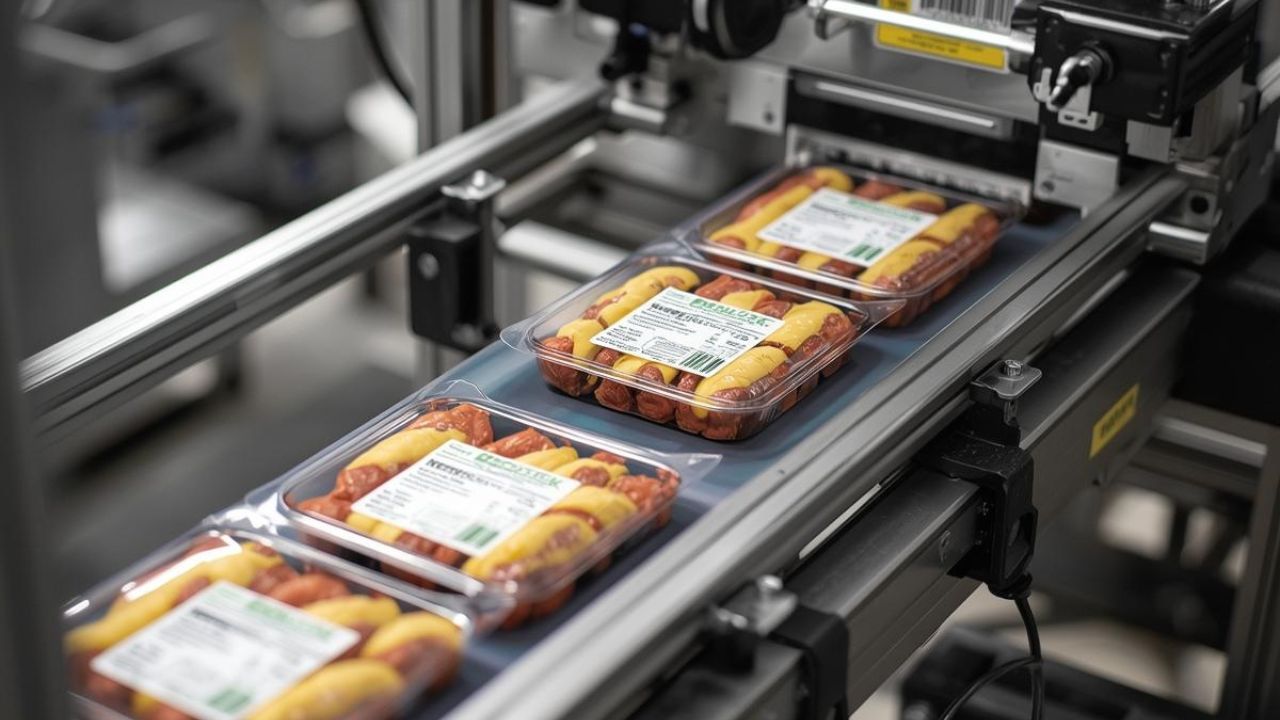
Clear film flow wrap provides 100% product visibility, building consumer confidence before purchase. High-quality flexographic or digital printing applies vibrant graphics directly on film, while glossy finishes enhance shelf presence. Tight wrapping creates a professional, premium appearance that differentiates brands at retail.
Custom printed films enable distinctive branding, and clear windows showcase product quality. Eye-catching flow wrap packages drive impulse purchases—critical for snack packaging speed and retail success.
Why Choose a Fully Automatic Flow Wrapping System Over a Semi-Automatic?
Fully automatic flow wrapping systems deliver superior production capacity while eliminating labor dependencies that plague manual and semi-automatic operations. The comparison between semi-automatic vs. fully automatic systems reveals clear advantages in throughput, operating costs, and speed-to-market that solve labor shortages in food manufacturing.
Efficiency and Labor Savings with Fully Automatic Systems
Production capacity differences are substantial: manual filling produces just 5-20 units per hour with 1-3 operators, semi-automatic systems handle 30-60 units per minute with 1-2 operators, while fully automatic flow wrapping processes 60-150+ units per minute with 0-1 operator. Operating costs follow the same pattern—fully automatic systems require only maintenance expenses versus the medium-to-high labor costs of manual and semi-automatic alternatives.
Manual and semi-automatic packaging carry hidden costs beyond hourly wages: workers' compensation claims, quality inconsistencies, ongoing training expenses, productivity loss during breaks and shift changes, expanded floor space requirements, and supervision overhead. Automatic flow wrapping eliminates these variables while maintaining consistent snack packaging speed and quality.
Cost and Time Efficiency of Fully Automatic Systems
Fully automatic systems complete changeovers in 5-20 minutes using tool-less designs, compared to 15-45 minutes for semi-automatic equipment. This speed advantage maximizes production uptime during multi-SKU runs. Semi-automatic systems typically achieve ROI within 12-24 months for growing businesses, while fully automatic systems deliver ROI in 18-36 months for high-volume operations.
Labor cost savings alone justify automation investment within 2-3 years. As workforce availability tightens and wage rates climb, automatic flow wrapping systems become essential tools to solve labor shortages in food manufacturing while scaling production capacity.
What Are the Advantages of Flow Wrap Packaging for Different Industries?
Flow wrap packaging adapts to diverse product categories through specialized film materials and speed configurations. Food manufacturers leverage this versatility most extensively, though pharmaceutical, cosmetic, and consumer goods producers also benefit from horizontal flow wrapping system capabilities.
Flow Wrap Packaging in the Food Industry
Flow wrapping systems deliver industry-specific performance across food categories. Confectionery products—chocolate bars, candy bars, lollipops—process at 200-800 packs per minute using metallized PP or PET films for moisture protection. Baked goods packaging for cookies, biscuits, crackers, and snack cakes runs 100-400 packs per minute with clear PP or printed film that showcases product quality. Snack bars including granola, protein, energy, and cereal varieties achieve 150-500 packs per minute using clear or printed PP with high barrier properties for extended freshness.
Fresh produce applications—pre-cut vegetables, salad mixes, herbs—operate at 50-200 packs per minute with breathable films and MAP capability to maintain product integrity. Frozen foods like ice cream bars and frozen novelties process at 100-300 packs per minute using moisture-resistant laminates. Flow wrap packaging handles various product sizes and shapes with minimal changeover requirements, making it ideal for snack bars, cookies, candy, and baked goods where snack packaging speed and flexibility drive profitability.
Flow Wrap Packaging for Non-Food Industries
Beyond food manufacturing, flow wrapping systems serve pharmaceutical, cosmetic, and consumer goods sectors. These industries benefit from the same product protection and shelf appeal advantages that make flow wrap packaging essential for food applications—hermetic sealing, tamper evidence, and premium presentation that builds consumer confidence at retail.
How Does Flow Wrap Packaging Help Solve Labor Shortages in Food Manufacturing?
Automatic flow wrapping directly addresses workforce constraints by eliminating manual packaging positions while maintaining or increasing production output. This automation strategy delivers measurable labor cost reductions and rapid ROI, making it a practical solution to solve labor shortages in food manufacturing.
Automating Packaging to Address Workforce Constraints
A European biscuit manufacturer automated their line with the EverSmart H360 flow wrapper, significantly reducing manual intervention while reallocating displaced workers to value-added tasks. The company achieved ROI in under 14 months through combined labor savings and increased throughput.
Labor cost reduction scales with equipment investment. Entry-level flow wrappers ($20,000-$60,000) eliminate 1-2 operators for $40,000-$80,000 in annual savings. Mid-range systems ($60,000-$120,000) deliver $80,000-$150,000 yearly through labor savings plus efficiency gains. High-speed flow wrappers ($120,000-$250,000) generate $150,000-$300,000 in total annual savings from labor reduction, waste elimination, and increased snack packaging speed. Typical implementations remove 2-4 manual packaging positions—a critical advantage when qualified packaging labor is scarce and wage rates continue rising.
How to Select the Right Flow Wrapping System for Your Packaging Needs?
Selecting the right horizontal flow wrapping system requires balancing production volume, speed requirements, product variety, budget constraints, and changeover frequency. A structured evaluation process ensures equipment investments align with current operations and three-year growth projections.
Key Considerations for Choosing Flow Wrap Packaging Equipment
Production volume carries the highest selection weight at 30%: entry-level systems handle under 10 million packs annually, mid-range equipment processes 10-40 million packs yearly, and high-end machines exceed 40 million packs per year. Speed requirements (25% weight) follow similar tiers—entry machines run 50-150 packs per minute, mid-range systems achieve 150-300 ppm, and high-end units deliver 300-1,500 ppm for maximum snack packaging speed.
Product variety (15% weight), budget (20% weight), and changeover frequency (10% weight) complete the decision matrix. Entry-level flow wrapping systems ($20k-$60k) suit operations with 1-3 products and weekly changeovers. Mid-range equipment ($60k-$120k) handles 3-8 products with daily changeovers. High-end systems ($120k-$500k+) manage 8+ products with multiple daily changeovers. Finding the best packaging machine solutions requires this six-step selection process: assess current production volume and three-year growth projections, evaluate product portfolio SKU count and changeover frequency, calculate existing manual packaging labor costs, determine peak production demands and line balancing needs, consider upstream/downstream equipment integration requirements, and analyze total cost of ownership, including maintenance and consumables..
Customization Options for Flow Wrapping Systems
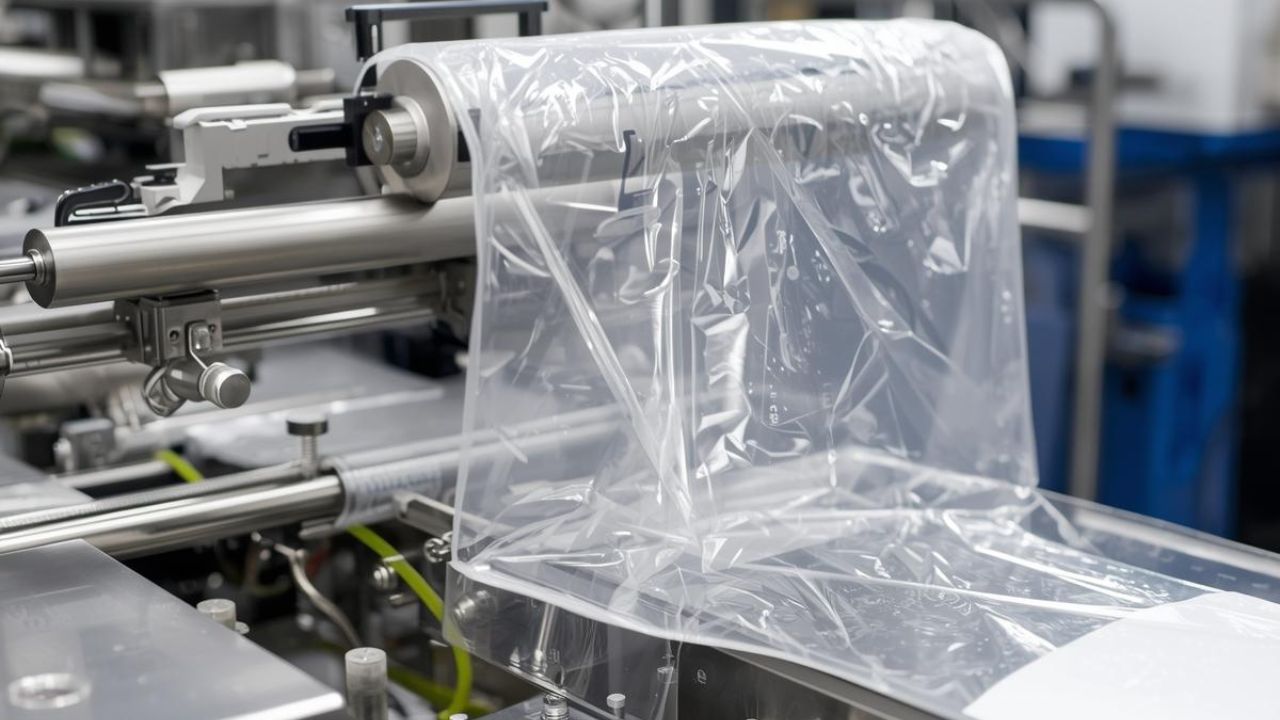
Flow wrap packaging systems offer customizable components that optimize performance for specific applications. Film feed systems use servo-driven or stepper motors for speed accuracy and tension control. Product infeed mechanisms—belt conveyors or timing screws—control spacing and orientation. Forming boxes come in fixed or adjustable configurations, affecting package tightness and film efficiency. Sealing jaws utilize rotary, box motion, or D-cam technology to balance speed, seal quality, and package appearance. Cutting systems employ rotary knives or guillotines for clean cuts with minimal waste. Control systems feature PLC platforms with HMI touchscreens for intuitive operation, recipe management, and diagnostics.
Advanced features maximize automatic flow wrapping performance: servo motors enable precise high-speed operation and rapid changeovers, D-cam technology delivers smooth jaw motion for superior speeds and seal quality, recipe management systems store multiple product settings for one-touch changeovers, and quality monitoring uses integrated sensors to verify seal integrity and package dimensions in real-time.
What Are the Long-Term Benefits of Investing in Flow Wrap Packaging?
Flow wrap packaging investments deliver compounding returns through material waste reduction, lower per-unit costs, and operational flexibility that extends equipment lifespan. Environmental and logistics advantages further strengthen the financial case for horizontal flow wrapping systems.
Maximizing Efficiency and Reducing Waste with Flow Wrapping Systems
Flow wrapping systems reduce material waste 10-20% versus manual packaging methods through continuous web feeding that minimizes film scrap. Cost per package proves this efficiency: flow wrap runs $0.02-$0.08 per unit compared to $0.03-$0.10 for VFFS, $0.08-$0.25 for premade pouches, and $0.15-$0.50 for rigid containers. Consistent packaging quality reduces product damage and returns while maintaining packaging for freshness standards.
Quick changeovers enable multiple product varieties without additional equipment investment. When integrated with multi-head weighers, flow wrap packaging reduces product giveaway 2-3% compared to volumetric systems. At scale, even 1% giveaway reduction generates $5,000 annual savings on 1 million bags at $0.50 per bag—savings that multiply across higher volumes and premium product lines.
Sustainable Packaging Options and Green Technologies
Modern servo-driven automatic flow wrapping consumes less power than older mechanical systems while delivering superior snack packaging speed. Lightweight flexible packaging cuts shipping costs up to 30% and reduces material costs 20-40% versus rigid alternatives. The efficiency comparison is stark: 1.5 pounds of flexible plastic packages the same volume as 50 pounds of glass.
Film rolls require minimal warehousing space compared to rigid containers or premade pouches, reducing storage overhead. Efficient transportation loads more products per pallet and truck, lowering freight expenses and carbon footprint per unit shipped. Material efficiency ratings confirm flow wrap packaging's sustainability advantage—rated "Excellent" with minimal waste versus "Good" for VFFS and "Moderate" for premade pouches.
Why Flow Wrap Packaging is the Future of Packaging
The global flow wrap packaging market's $22 billion valuation in 2024 and projected 7.77% CAGR through 2030 reflect industry-wide adoption driven by measurable performance advantages. Flow wrapping systems deliver 2-10x faster speeds than alternative formats while reducing material and shipping costs 20-40% compared to rigid packaging. Medium to high-volume operations typically achieve ROI within 12-24 months through combined labor savings, waste reduction, and increased throughput.
Flow wrap packaging succeeds because it addresses manufacturers' core challenges: automatic flow wrapping systems solve labor shortages in food manufacturing, horizontal flow wrapping systems maximize snack packaging speed without compromising packaging for freshness, and clear films enhance shelf appeal that drives consumer purchases. Continuous innovation in servo technology and advanced film materials ensures flow wrap packaging will remain the dominant solution as production demands intensify and sustainability requirements tighten. Manufacturers evaluating packaging investments should prioritize flow wrapping systems that balance current operational needs with scalable capacity for future growth.
Transform Your Packaging Operations with Wolf-Packing Machine Company
Ready to increase production speed, reduce labor costs, and achieve ROI in 12-24 months? Wolf-Packing Machine Company specializes in flow wrap packaging solutions tailored to your specific production requirements. Our experts help you select the right horizontal flow wrapping system—whether entry-level, mid-range, or high-speed—based on your volume, product variety, and budget. We provide comprehensive support from equipment selection through installation and ongoing optimization. Stop losing revenue to manual packaging inefficiencies and labor shortages. Contact Wolf-Packing Machine Company today for a free consultation and discover how automatic flow wrapping can transform your packaging line's performance, profitability, and scalability.