Key Takeaways
- Multi-Product Weighers Deliver Measurable Performance Gains
Automated weighers operate at 15-120 packages per minute with 97-99.5% accuracy while reducing labor hours from 8 to as low as 1.5 hours per 1,000 units.
- SKU Flexibility Improves Dramatically
Modern systems increase flexibility ratings from 3/10 to 10/10 while cutting changeover times from 60 minutes to 15 minutes, enabling rapid product transitions.
- Financial Returns Exceed Industry Benchmarks
Typical payback periods of 18 months beat the 24-month industry standard, with annual savings reaching $88,000 through combined labor reduction and waste elimination.
- Integration Requires Structured Planning
Successful implementation follows a phased approach: 2-4 weeks assessment, 4-8 weeks pilot testing, 2 weeks training, and 4-12 weeks full rollout.
- Tax Benefits Accelerate ROI
Packaging equipment depreciation and Section 179 deductions reduce taxable income while operational savings compound, making affordable packaging automation accessible to mid-market manufacturers.
Modern manufacturers face mounting pressure to produce more SKUs with fewer resources. Consumer demand for product variety, omnichannel distribution requirements, and tighter regulatory standards create operational complexity that traditional packaging systems can't handle efficiently. Multi-product weighers solve this challenge by delivering packaging flexibility without sacrificing speed, accuracy, or profitability.
These automated weighing machines reduce changeover times, eliminate labor bottlenecks, and maintain consistent quality across diverse product lines. This guide examines how multi-product weighers enable scalable production, the technologies that drive their versatility, and the financial benefits—including packaging equipment depreciation and tax advantages—that make them essential investments for growing manufacturers.
What Are Multi-Product Weighers and Their Role in Packaging Flexibility?
Multi-product weighers are automated weighing machines designed to handle multiple SKUs on a single production line. They enable packaging flexibility by adapting to different products, sizes, and formats without extensive reconfiguration. These systems drive efficiency in manufacturing environments where product variety is essential.
How Do Automated Weighers Enhance Packaging Efficiency?
Automated weighers deliver measurable performance gains across speed, accuracy, and labor utilization. Modern systems operate at 15-120 packages per minute with accuracy rates of 97.0-99.5%, depending on configuration and product type.
Defect rates drop from 5% in manual operations to 0.5% with automation. Labor requirements decrease from 8 hours per 1,000 units to just 2 hours, reducing operational costs while maintaining consistent output. This combination of speed, precision, and reduced labor dependency makes automated weighers central to scalable packaging operations.
What Makes Multi-Product Weighers Adaptable to Different Products?
Multi-product weighers adapt through software-driven combining functions that determine target weights for different subcomponents. Optional features—mixing, counting, and controlled feeding—expand flexibility across diverse product lines.
Self-optimization functions maintain continuous, controlled product feed regardless of material characteristics. Advanced systems like ARGUS use image data to optimize product flow in real time, particularly for difficult materials such as cheese, salad, and meat. These patented technologies improve accuracy while reducing giveaway, ensuring higher output without compromising precision. The result: flexible packaging solutions that handle SKU changes efficiently.
What Types of Modern Weighers Can Handle Multiple SKUs Without Compromising Efficiency?
Multi-head weighers and combination weighing systems dominate the multi-SKU packaging landscape. These weighing machines use multiple weigh buckets to achieve precise target weights while maintaining high throughput. Their modular design supports rapid product changeovers, making them ideal for manufacturers running diverse product portfolios.
How Do Multi-Head Weighers Provide Versatility in Packaging?
Multi-head weighers transform SKU flexibility from severely limited (3/10) to fully adaptable (10/10) systems. Changeover times drop from 60 minutes to 15 minutes, enabling faster transitions between product runs and reducing downtime costs.
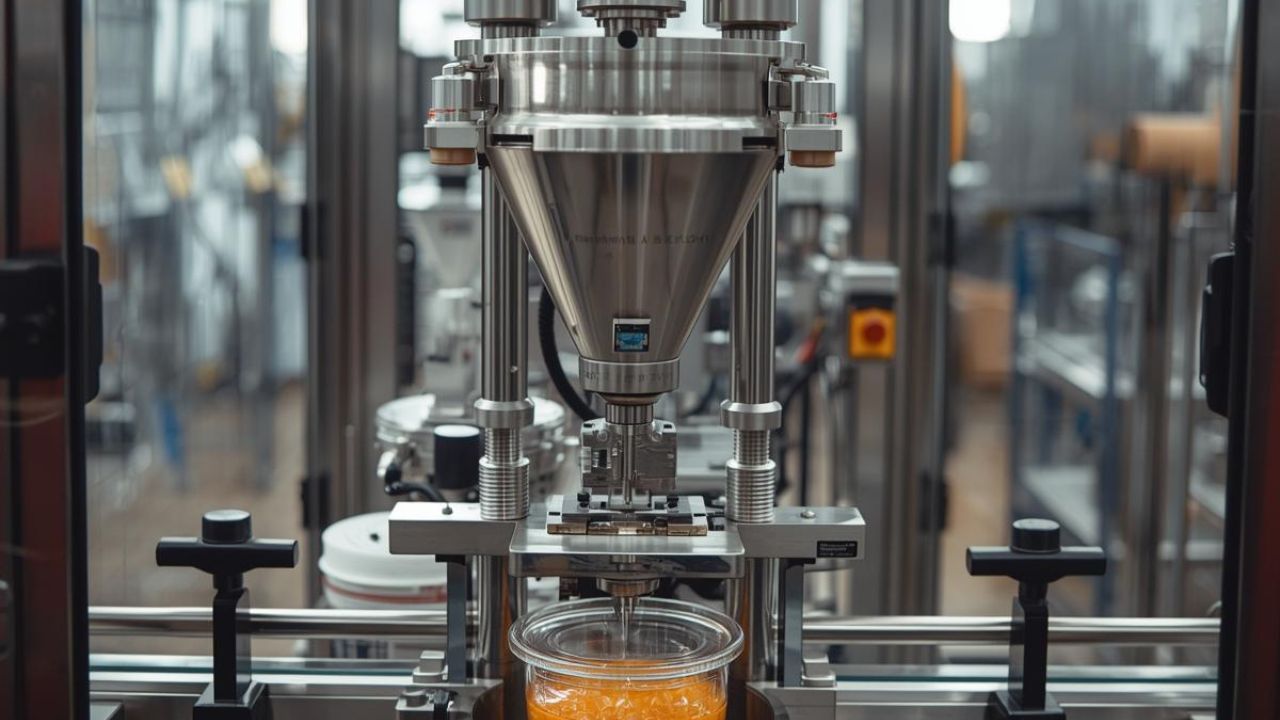
These systems feature the most powerful vibration drives available, ensuring consistent material flow across varying product densities and textures. The distribution cone and feed tray drive work together to maintain accuracy during high-speed operations. This mechanical precision allows multi-product weighers to handle everything from light snacks to dense granular materials without recalibration delays.
What Role Does Technology Play in Ensuring Efficiency for Diverse SKUs?
The preweigher functions as the weigher's control center, monitoring feed units like load cells to regulate material flow. This component acts as the "heart" of the system, coordinating all weighing operations for optimal performance.
Integrated mechanical calibration systems—unique to advanced manufacturers—ensure accuracy across diverse product types by adjusting for variables that affect precision. Centralized HMI dashboards provide remote diagnostics, automated event logging, and predictive maintenance alerts. These digital tools identify bottlenecks, predict equipment needs, and reduce unplanned downtime. The combination of mechanical precision and digital monitoring delivers packaging flexibility that scales with production demands.
Why Is Packaging Flexibility Crucial in Modern Manufacturing?
Packaging flexibility determines a manufacturer's ability to respond to market demands without production delays or costly line reconfiguration. Modern brands require agile packaging operations that accommodate product variety, regulatory requirements, and evolving distribution channels. Rigid systems create bottlenecks; flexible packaging solutions enable growth.
What Challenges Arise When Managing Multiple SKUs in a Production Line?
SKU proliferation accelerates as brands launch more variants, sizes, and formats to meet consumer preferences. Omnichannel demand requires products packaged for both traditional retail and digital fulfillment channels, each with distinct packaging specifications.
Regulatory complexity intensifies in 2026, with tighter labeling and traceability standards across food, pharmaceutical, and consumer goods industries. Manual changeover operations consume 45 minutes per product switch, while automated weighers complete the same transition in 15 minutes. This 30-minute differential compounds across multiple daily changeovers, directly impacting production capacity and delivery commitments.
How Does Packaging Flexibility Help Businesses Scale Production?
Flexible packaging solutions support throughput ranging from 5-120 packages per minute (PPM) across different system configurations. This scalability allows manufacturers to match equipment capacity to production requirements without overinvesting in unnecessary speed.
Labor efficiency improves dramatically—from 4 operators to 1 operator per line—as multi-product weighers automate material handling and product transitions. System flexibility ratings jump from 2/10 to 10/10, enabling rapid SKU changes without mechanical retooling. Manufacturers can scale individual production stages independently or upgrade entire lines based on specific bottlenecks, optimizing capital allocation while maintaining operational continuity.
Key Features of Modern Weighers for Handling Multiple SKUs
Modern multi-product weighers integrate modular design, intelligent controls, and adaptive mechanics to handle diverse packaging requirements. These features reduce changeover complexity, minimize downtime, and support long-term scalability. Understanding these capabilities helps manufacturers select systems that align with operational and financial goals.
What Are the Benefits of Integrating Automated Weighers into Packaging Lines?
Modular machine sections allow manufacturers to add or remove functions as production needs evolve. Standardized interfaces connect conveyors, fillers, and labelers seamlessly, while plug-and-play components simplify upgrades without disrupting existing operations.
Adjustable guide rails, quick-change tooling, and adaptive servo motion profiles enable rapid format transitions. Systems switch from glass bottles to HDPE containers with minimal changeover time, supporting product diversification without dedicated equipment. This modularity makes affordable packaging automation accessible to growing manufacturers who need flexibility without complete line replacement.
How Do Flexible Packaging Solutions Reduce Operational Costs?
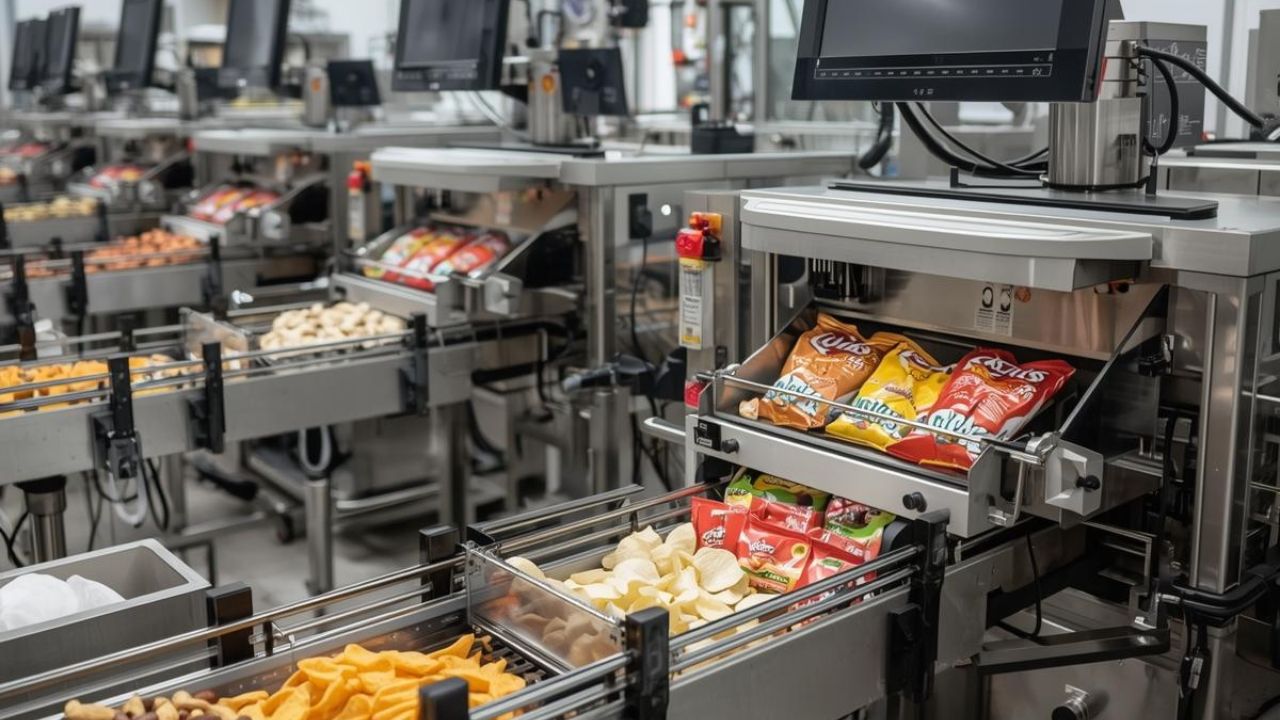
Automated weighers reduce labor costs by 60-65%, generating annual savings of $78,000-$80,000 for typical mid-scale operations. Material waste decreases by 30%, as demonstrated in snack manufacturer case studies where precision weighing eliminated overfilling and product rejection.
Total annual savings reach $88,000 when combining labor efficiency, waste reduction, and improved throughput. Energy consumption increases from 2 kWh to 5 kWh per 1,000 units, but this cost is offset by labor and material savings. The net financial impact makes automated weighers a strategic investment, particularly when considering packaging equipment depreciation and tax benefits that further improve ROI.
How Does the Use of Modern Weighers Impact Packaging Equipment Depreciation and Tax Benefits?
Capital investments in automated weighers generate tax advantages through accelerated depreciation schedules and immediate operational savings. Understanding packaging equipment depreciation and tax benefits helps manufacturers maximize financial returns while improving production capabilities. These systems deliver measurable ROI faster than industry standards.
How Can Investing in Advanced Packaging Automation Lead to Tax Benefits?
Multi-product weighers achieve typical payback periods of 18 months, outperforming the industry benchmark of 24 months. ROI materializes within 12-24 months through combined labor savings, reduced waste, and increased throughput.
Depreciation deductions reduce taxable income during the asset's useful life, improving cash flow in early implementation years. Section 179 provisions and bonus depreciation rules may allow manufacturers to deduct significant portions of equipment costs in the first year, accelerating tax benefits. These deductions compound with operational savings, making affordable packaging automation financially accessible even for mid-market manufacturers.
What Financial Advantages Come with the Depreciation of Packaging Equipment?
A documented case study shows full ROI achievement in 18 months with 60% labor reduction and 30% material waste decrease. Annual material waste savings alone reach $20,000, directly improving profit margins without increasing production volume.
Phased automation approaches reduce implementation risks by 60%, allowing manufacturers to spread capital expenditures across multiple tax years while validating performance before full-scale deployment. This strategy optimizes both depreciation schedules and operational risk management, ensuring that automated weighers deliver projected savings without disrupting existing production commitments.
What Are the Advantages of Using Automated Weighers for Multi-SKU Packaging?
Automated weighers deliver quantifiable performance advantages across speed, accuracy, and cost efficiency. Different system architectures match specific production requirements, from high-speed commodity packaging to precision handling of fragile products. Selecting the right configuration optimizes both operational performance and capital investment.
How Do Automated Weighers Optimize Product Consistency and Production Throughput?
VFFS (vertical form-fill-seal) machines operate at 40-120 packages per minute with 15-minute changeover times, making them ideal for snacks, powders, frozen foods, and pharmaceuticals. Premade pouch systems run at 20-60 packages per minute with 30-minute changeovers, suited for premium foods requiring sophisticated printing.
Robotic pick-and-place systems handle 10-40 packages per minute with 45-minute changeovers, optimized for fragile items like baked goods and electronics. Key performance metrics improve across all configurations: uptime increases through modular redundancy, throughput scales incrementally without full line rebuilds, and quality remains consistent across all SKUs. This versatility makes multi-product weighers adaptable to diverse manufacturing environments.
How Can Businesses Achieve Cost Savings Through Affordable Packaging Automation?
Labor requirements drop to as low as 1.5 hours per 1,000 units compared to 8.0 hours in manual operations—an 81% reduction. Defect rates improve from 5.0% to 0.3%, nearly eliminating quality-related losses and rework costs.
AI-powered smart packaging systems reduce material waste by up to 20% through predictive algorithms that optimize fill weights and minimize giveaway. AI-driven process controls improve overall production efficiency by 15%, coordinating automated weighers with upstream and downstream equipment. These technologies make flexible packaging solutions economically viable for manufacturers operating on tight margins, delivering measurable savings that justify initial capital investment.
How to Integrate Multi-Product Weighing Systems into Existing Packaging Lines?
Integrating multi-product weighers into established production lines requires structured planning and phased implementation. Successful integration minimizes disruption while maximizing compatibility with existing equipment. A methodical approach reduces risk and ensures automated weighers deliver projected performance gains.
What Steps Are Involved in Integrating Modern Weighers with Existing Machinery?
The assessment phase spans 2-4 weeks, evaluating line configuration, throughput requirements, and compatibility constraints. Pilot testing runs 4-8 weeks to validate performance under actual production conditions before full commitment.
Training takes 2 weeks to prepare operators and maintenance personnel. Full rollout requires 4-12 weeks depending on line complexity and customization needs. Filling systems integrate through servo fillers or parallel filling heads that increase throughput without replacing entire subsystems. Volumetric, piston, and timed flow options accommodate viscosity variations across product types. Programmable fill profiles enable seamless multi-product workflow, allowing automated weighers to coordinate with upstream equipment across SKU changes.
How Do Automated Weighers Ensure a Smooth Transition in Production Lines?
Capping and closure systems use interchangeable capping heads for different cap types, with adjustable torque programs ensuring precision control. Synchronized servo control balances line speed between fillers and weighers, preventing bottlenecks.
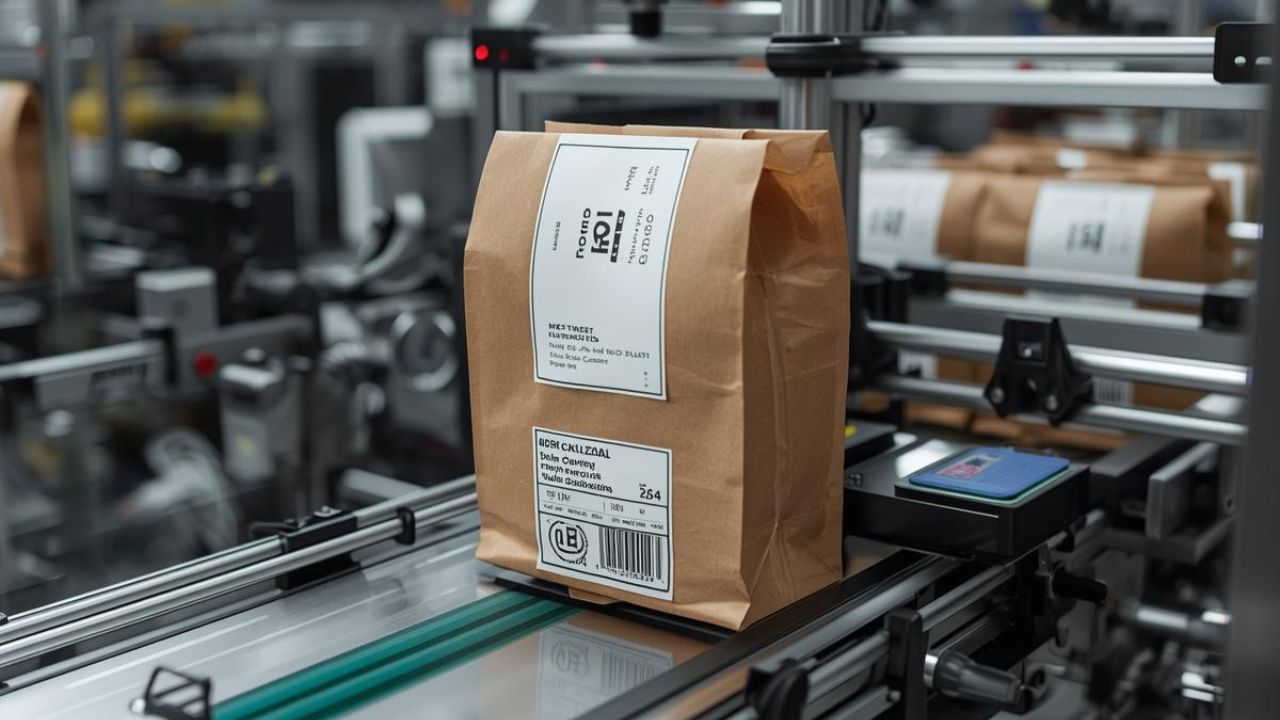
Labeling machines feature adjustable belts, sensors, and guides that accommodate multiple container shapes. Programmable label recipes handle mixed SKU batches without manual intervention. Advanced conveyor tracking maintains accuracy at higher speeds. Integrated line architecture connects fillers, cappers, labelers, conveyors, and inspection systems through standardized protocols. This unified control platform ensures packaging flexibility across all production stages, making affordable packaging automation achievable without wholesale equipment replacement.
Why Multi-Product Weighers Are Essential for Scaling Production Without Compromising Efficiency
Multi-product weighers represent the foundation of scalable, flexible manufacturing operations. They eliminate the trade-off between product variety and operational efficiency, enabling manufacturers to meet market demands without sacrificing speed, accuracy, or profitability. Investing in automated weighers positions businesses for sustained growth in increasingly complex production environments.
What Long-Term Benefits Do Businesses Gain from Using Flexible Packaging Solutions?
Workforce efficiency improves as automation reduces labor dependency and operating costs across production cycles. Changeover times ranging from 15-90 minutes across different automation systems enable rapid SKU rollout, meeting consumer variety demands that define modern markets.
Digital transformation integrates labeling and packaging feedback loops with enterprise systems, providing real-time production visibility and data-driven decision-making. Global supply chain requirements benefit from scalability that supports localized production and multi-site standardization, ensuring consistent quality regardless of facility location. Combined with packaging equipment depreciation and tax benefits, these long-term advantages make flexible packaging solutions a strategic imperative. Multi-product weighers deliver measurable returns that extend beyond immediate operational gains, positioning manufacturers to adapt as markets evolve.
Ready to Scale Your Packaging Operations with Multi-Product Flexibility?
Wolf-Packing Machine Company delivers proven multi-product weighing solutions that reduce labor costs, accelerate changeovers, and maximize packaging flexibility. Our automated weighers handle diverse SKUs with precision and accuracy, enabling manufacturers to scale production without compromising efficiency. Whether you're managing 3 products or 300, our systems adapt to your requirements with minimal downtime and maximum ROI. Take advantage of packaging equipment depreciation and tax benefits while transforming your production capabilities. Contact Wolf-Packing Machine Company today to schedule a line assessment and discover why manufacturers searching for the best packaging machines online choose our affordable automation solutions to drive measurable savings.