Key Takeaways:
- Continuous motion jaw technology eliminates stop-start cycles, enabling speeds of 180-300 BPM versus 60-80 BPM for intermittent systems.
- Servo-driven VFFS machines reduce unplanned downtime by 30% and improve OEE by 30% compared to pneumatic controls.
- Line integration matters more than peak machine speed—upstream fillers and downstream conveyors must match bagger capacity for true throughput.
- Optimizing seal temperature and pressure can reduce required dwell time by 10-20% without compromising quality.
- Closed-loop checkweighers maintain ±0.5% filling accuracy at high speeds through real-time feedback and automatic filler corrections.
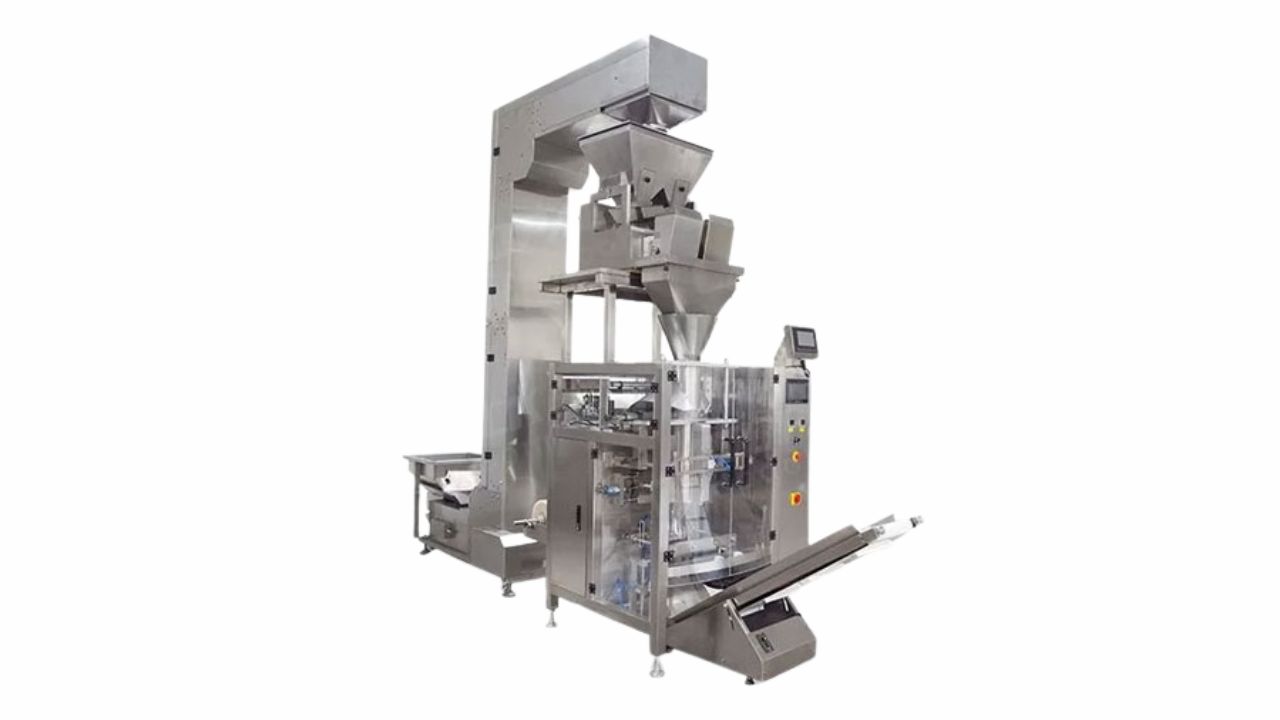
VFFS machines determine packaging line capacity and profitability. Typical VFFS machines operate at 30 to 120 bags per minute, but many struggle to reach peak speeds. This article explains how to identify bottlenecks, optimize settings, and achieve consistent high-speed operation.
What does the VFFS machine speed represent in modern packaging lines?
VFFS speed measures production capacity in bags per minute. Nameplate speed rarely matches actual throughput. Understanding the difference between mechanical capability and real-world performance sets realistic targets.
How is "bags per minute" calculated on a VFFS system?
Bags per minute (BPM) equals 60 divided by cycle time in seconds. A 2-second cycle produces 30 BPM. Cycle time includes film draw, filling, sealing, and cutting. The slowest process sets the production ceiling.
How do bag length, bag style, and film travel distance affect achievable speed?
Longer bags require more film travel per cycle. A 12-inch bag takes twice as long as a 6-inch bag. Pillow bags run faster than gusseted bags because they require fewer operations. Simple styles maximize throughput.
How does true throughput differ from peak mechanical speed?
Peak speed is what the machine achieves under ideal conditions. True throughput accounts for changeovers, cleaning, and minor stops. A 120 BPM machine might deliver 85-95 BPM. Overall Equipment Effectiveness (OEE) quantifies this gap.
What limits a VFFS machine to around 30 bags per minute?
Multiple factors constrain VFFS speed. Product settling time, seal dwell requirements, film handling issues, and upstream equipment bottlenecks all contribute. Identifying the primary constraint enables targeted improvement.
How do product characteristics restrict acceleration and settling time?
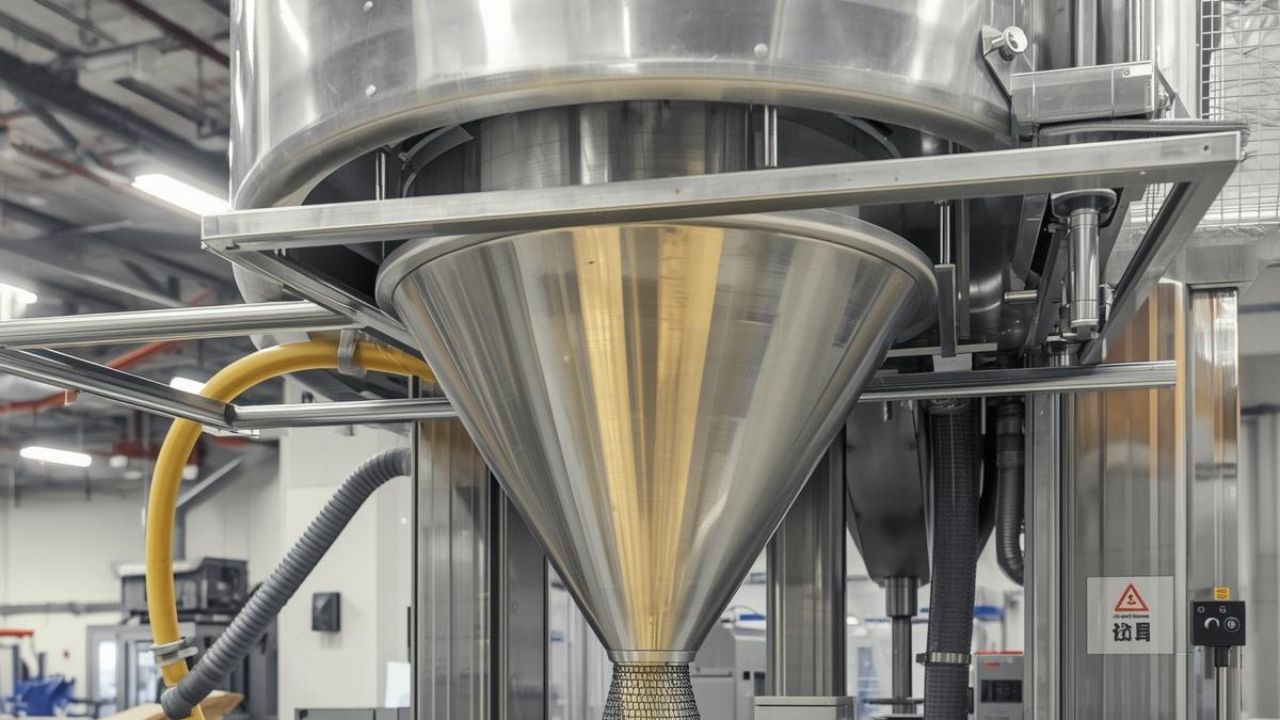
Products need time to settle into the bag before sealing. Dusty powders create air displacement requiring venting. Liquids splash if dispensed too quickly. A smooth and consistent product flow from the filler to the bag is crucial to prevent blockages and ensure accurate filling. Dense products settle faster than aerated powders.
How do sealing dwell time and jaw motion constrain cycle rate?
Seal quality depends on time, temperature, and pressure. Dwell time is how long heated jaws compress the film. Insufficient dwell creates weak seals. Consistent and accurate sealing temperatures are necessary to ensure the integrity of the bag seals. Standard intermittent-motion machines stop the film during sealing, limiting speed.
How does film quality, thickness, or friction increase cycle delays?
Poor film quality causes tracking errors and web breaks. Each stoppage costs 2-5 minutes. Precise control over film tension is essential to prevent film stretching, slipping, and registration errors. Thick films require longer seal dwell times. Moisture absorption makes the film sticky.
How do upstream fillers and downstream conveyors create bottlenecks?
The VFFS cannot run faster than the slowest component. If the filler delivers 40 fills per minute, the bagger cannot exceed that rate. Line balancing requires matching capacity across all equipment. System-level analysis identifies where upgrades deliver the best return.
How do VFFS mechanics influence speed performance?
Mechanical design determines maximum achievable speed. Jaw type, pull-belt configuration, and sensor technology all affect cycle time.
How does jaw type (rotary, intermittent, servo) affect maximum bpm?
Intermittent-motion jaws stop the film for sealing, limiting speed to 60-80 BPM maximum. The transition from intermittent to continuous motion technology has been a game-changer. High-speed continuous motion models can reach speeds of 180 to 300 BPM. In continuous motion machines, the cross-sealing jaws move with the film, eliminating the need to stop and start the film for each bag.
How do pull-belt design and tension control impact bag formation speed?
Pull the belts, grip the film tube, and draw it downward. Belt pressure must prevent slippage without stretching the film. Servo-controlled pull belts adjust tension dynamically. At high speeds, any slippage compounds into registration errors.
How do film tracking and registration sensors enable faster continuous motion?
High-speed sensors are required for accurate print registration and product detection. Photo eyes detect registration marks and adjust film position in real time. At 120 BPM, sensors must trigger corrections in milliseconds. Modern vision systems predict drift patterns and apply preemptive corrections.
How do product and application variables affect achievable speed?
Different products behave differently during filling. Application requirements for sanitation and quality also influence maximum practical speed.
How do powders, liquids, or irregular solids require different fill-settle timing?
Free-flowing granules settle in 0.2-0.3 seconds. Fine powders require 0.5-1.0 seconds to de-aerate. Liquids need splash guards. Irregular solids require gentle handling to prevent breakage. Each product category has an optimal fill rate.
How does product dustiness or splash risk slow down production?
Dusty products create film contamination that weakens seals. The machine must include dust collection systems, adding mechanical steps. Liquid splash creates the same contamination problem. Conservative fill speeds prevent these issues but sacrifice throughput.
How do sanitation and quality requirements influence speed limits?
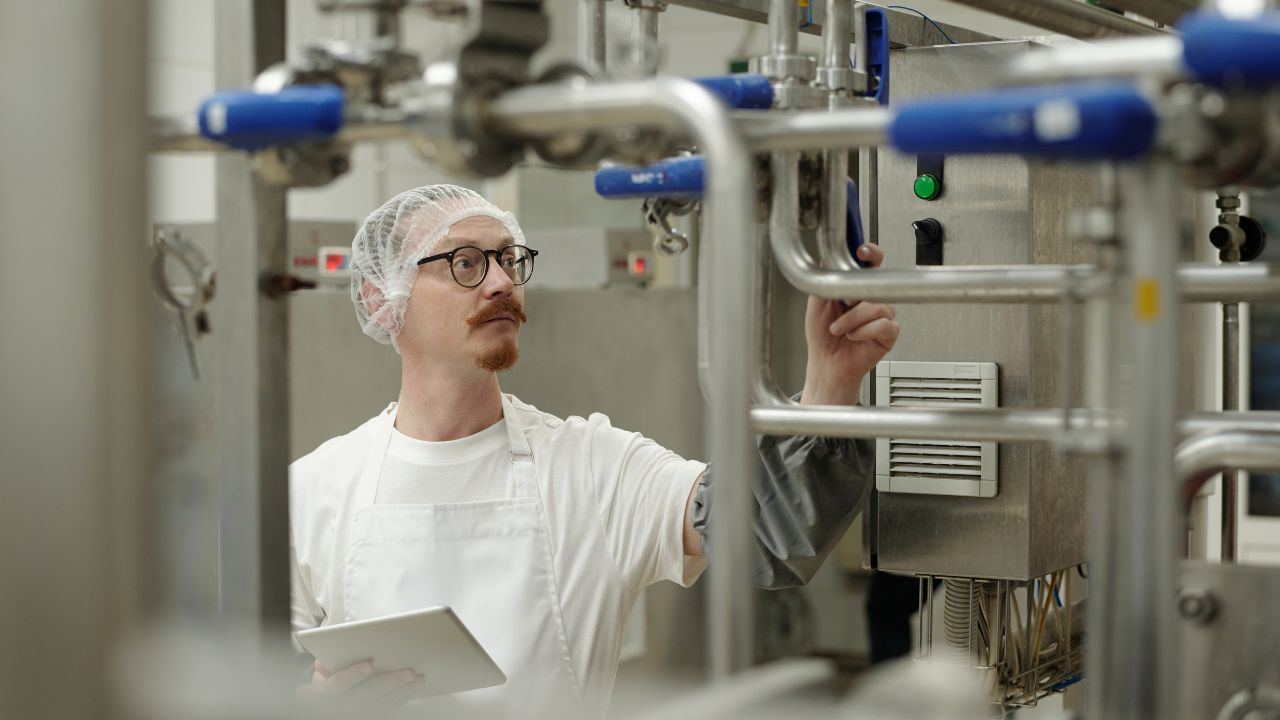
Food and pharmaceutical applications require frequent cleaning. Quality requirements also limit speed. Applications requiring 100% weight verification cannot exceed the checkweigher capacity. System design must account for all quality control requirements.
How do sealing technologies determine top-end VFFS speed?
Sealing is often the limiting factor in VFFS speed. Different technologies have different speed capabilities.
How does heat-seal dwell time impact cycles per minute?
Heat-seal dwell time typically ranges from 0.5 to 2.0 seconds, depending on film thickness. If seal dwell is 1.5 seconds, the maximum speed is 40 BPM. Optimising temperature and pressure can sometimes reduce required dwell time by 10-20%.
How does ultrasonic sealing enable higher-speed sealing stability?
Ultrasonic sealing uses high-frequency vibration to generate heat through friction. Seal times of 0.1-0.3 seconds are possible. This technology enables speeds above 150 BPM for thin-film applications. However, ultrasonic sealing requires specific film structures.
How do film structures (PE, PP, laminates) influence sealing windows?
Monolayer polyethylene films seal quickly with wide temperature windows. These films run reliably at high speeds. Complex laminates require precise temperature control. The sealing window may be only 10-20°F wide. Narrow sealing windows limit maximum speed.
How should you optimize VFFS settings to increase speed safely?
Speed optimization requires systematic adjustment of multiple parameters. A methodical approach prevents creating new problems.
How do you tune jaw dwell, temperature, and pressure for maximum throughput?
Start with manufacturer recommendations. Run production at target speed and inspect seal quality. If seals are overwelded, reduce the temperature by 5-10°F or decrease dwell time by 0.1 seconds. Seal testing should include peel tests and pressure tests.
How do you optimize film draw length and acceleration without registration loss?
Film draw speed must match bag length and cycle rate. Servo systems allow programming custom acceleration curves. Test registration stability by running at the target speed for 30 minutes. If lengths vary more than ±2mm, adjust pull-belt tension.
How do you synchronize filler dump timing with jaw cycles?
The filler must dispense when the bag is in position. Electronic synchronization coordinates filler triggers with jaw position sensors. Communication protocols like Ethernet/IP enable precise coordination, eliminating timing errors.
How do you reduce changeover time to avoid speed loss across SKUs?
Quick-changeover designs use tool-free adjustments. Operators store settings for each product in the controller memory. Pre-staged film rolls and filling tools minimize downtime. Facilities running multiple SKUs benefit significantly from changeover optimization.
What are the main steps to progress from 30 to 120 bags per minute?
Increasing speed requires a structured approach. Following proven steps ensures sustainable gains.
Step 1 – How do you measure your current speed, OEE, and limiting factors?
Typical VFFS machines operate in the range of 30 to 120 bags per minute. Collect baseline data over multiple shifts. Record actual BPM, downtime events, reject rates, and changeover times. Time each cycle phase to identify the bottleneck.
Step 2 – How do you eliminate upstream and downstream bottlenecks?
Match filler capacity to target VFFS speed. If the bagger can run 100 BPM but the filler maxes at 60 FPM, upgrade the filler first. Buffer zones between equipment provide flexibility. Right-size all equipment to support the target production rate.
Step 3 – How do you upgrade sealing, jaw motion, and servo profiles?
Upgrading to modern, servo-driven VFFS machines can reduce unplanned downtime by 30% or more. Servo-driven machines improve Overall Equipment Effectiveness (OEE) by a similar margin. Replace pneumatic controls with servo systems for precise motion control.
Step 4 – How do you stabilize film handling and prevent web breaks at high speed?
High-speed operation amplifies film handling problems. Replace worn components like pull belts and guide rollers. Dancer arms or load cells provide continuous tension feedback. The system adjusts motor torque to maintain consistent tension.
Step 5 – How do you validate and lock in speed gains during production runs?
Run extended trials at target speed with full quality monitoring. Collect samples and test seal strength, fill weights, and dimensional accuracy. Document all parameter changes and create new standard operating procedures. Lock critical parameters to prevent unauthorized changes.
How do inline inspection and QC systems support high-speed output?
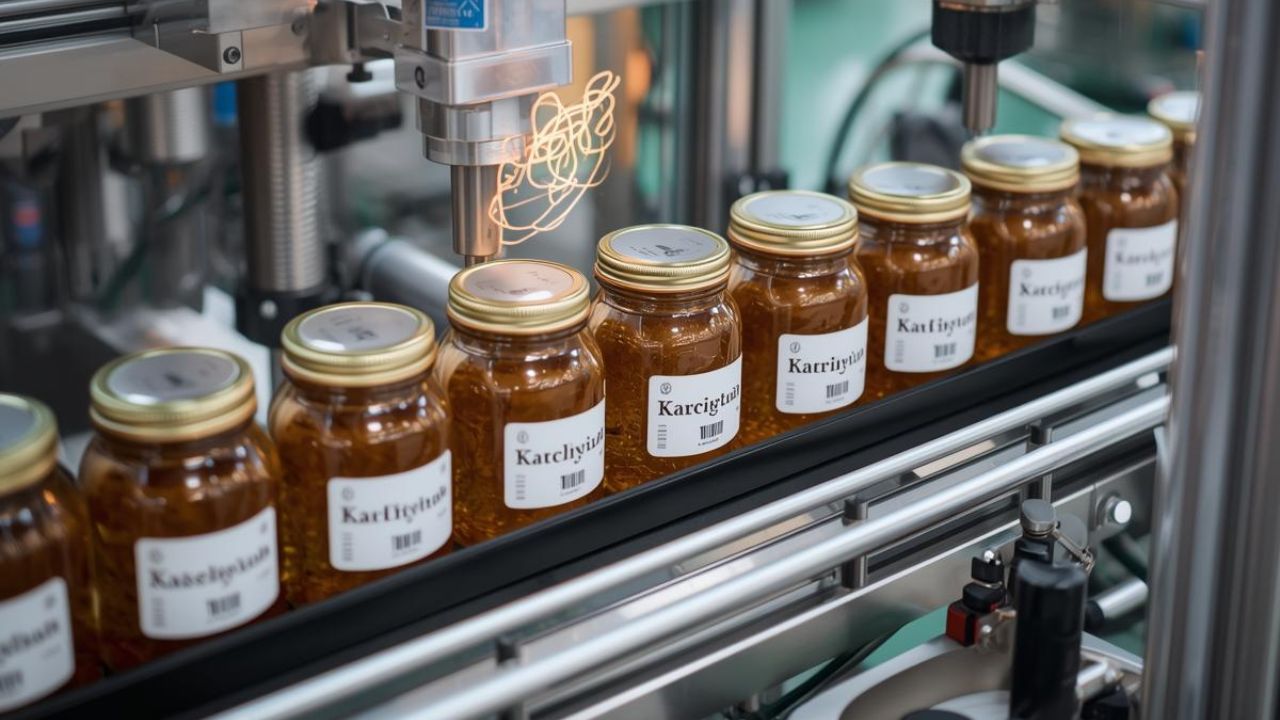
Quality control systems must keep pace with production speed. Checkweighers, metal detectors, and reject mechanisms prevent defects while minimizing disruption.
How do checkweighers maintain accuracy at higher bpm?
Closed-loop checkweighing systems ensure that the filling accuracy of ±0.5% is maintained even at high speeds. Modern checkweighers sample weights at 2,000-4,000 Hz. Dynamic weighing compensates for vibration. When the fill drifts, the checkweigher sends correction signals to the filler.
How do metal detectors continue consistent scanning at increased throughput?
Metal detectors use electromagnetic fields to identify contamination. At high speeds, packages pass through in 50-100 milliseconds. Multi-frequency detectors improve sensitivity and distinguish between product effects and actual metal contamination.
How do reject systems prevent backlogs or machine stops at high speed?
Pneumatic push-arms reject packages in 0.1-0.2 seconds. At 120 BPM, packages arrive every 0.5 seconds. Multiple reject lanes handle burst rejection. Reject confirmation sensors verify that defective packages are actually diverted.
How does integration with weighers, fillers, and conveyors affect VFFS speed?
VFFS machines integrate with fillers, weighers, conveyors, and case packers. Each connection point introduces potential timing mismatches.
How should multihead weighers or auger fillers scale to support 120 bpm?
A 10-head weigher cycles in 0.5-0.8 seconds, supporting 75-120 fills per minute. Auger fillers typically max at 60-80 FPM. Dual-filler configurations double capacity. This approach costs less than a single ultra-high-speed filler.
How do infeed and outfeed conveyors prevent product accumulation?
Conveyor speed must exceed bagger output. If the bagger runs 100 BPM and bags are 6 inches wide, the conveyor must move at least 50 feet per minute. Dynamic speed control adjusts conveyor rate based on actual bag flow.
How does inconsistent filler performance limit VFFS top speed?
Filler variability forces conservative VFFS settings. If the filler completes cycles in 0.8-1.2 seconds, the bagger must wait for the slowest cycle. Servo-driven fillers with closed-loop control reduce variation to ±5%, enabling 10-15% higher bagger speeds.
How does Wolf-Packing Machine Company engineer VFFS systems for high-speed performance?
Wolf-Packing designs integrated packaging lines where all components work together efficiently. Their VFFS systems incorporate features engineered for reliable high-speed operation.
How do WPMC VFFS systems achieve rapid jaw cycles and stable sealing?
WPMC machines use servo-driven jaw motion with programmable acceleration curves. Temperature controllers maintain sealing zones within ±2°F. Multiple sealing zones allow independent temperature control. Cooling channels prevent overheating that degrades seals.
How does modular design enable faster film changeovers and maintenance?
Tool-free film path components reduce changeover time by 40%. Operators swing forming tubes into position without tools. Modular jaw assemblies replace as complete units in 15-20 minutes, reducing maintenance time.
How do integrated weighers and fillers keep pace with high-speed VFFS cycles?
Wolf-Packing matches filler specifications to bagger capacity during system design. The control system coordinates all equipment timing automatically. Pre-integration testing at the factory ensures components operate together correctly.
How do turnkey line designs eliminate speed-loss points across the line?
Wolf-Packing turnkey systems include all equipment from bulk handling to case packing. Engineers design the complete line with matched capacity. Single-source responsibility ensures coordinated troubleshooting and support.
What trade-offs should you consider when increasing VFFS speed?
Higher speed always involves compromises. Understanding trade-offs helps set realistic targets.
How does higher speed impact seal integrity, fill accuracy, and rejects?
Faster sealing reduces dwell time and narrows the process window. Reject rates typically increase 10-30% when speed increases 50%. Fill accuracy depends on product settling, though pairing your system with an automatic counting machine ensures precise unit counts regardless of line speed. Optimization balances speed against acceptable accuracy and rejection levels.
How does increased speed affect wear, maintenance, and spare parts usage?
Components wear faster at high speeds. Pull belts last 6-9 months at 60 BPM but only 3-4 months at 120 BPM. Maintenance costs increase 20-40% when doubling the speed. Preventive maintenance schedules must be more aggressive.
How should you balance speed with flexibility for frequent format changes?
Facilities running 10+ SKUs daily need fast changeovers more than maximum peak speed. A machine running 80 BPM with 10-minute changeovers may outperform one running 120 BPM with 45-minute changeovers when the SKU mix is high.
What common problems appear when the VFFS speed increases?
Speed amplifies existing problems. Understanding common failure modes helps prevent them.
Why do film wrinkles, tracking errors, or registration faults become more frequent?
Film tension variations cause tracking drift. At low speeds, the system has time to correct. At high speeds, minor tension spikes immediately cause wrinkles or jams. Registration marks must be perfectly positioned. Small printing variations cause frequent stops at 120 BPM.
Why does seal failure increase when pushing beyond optimal sealing windows?
High-speed operation reduces the safety margin in the sealing process. Temperature, pressure, and dwell time must be precisely optimized. Film lot-to-lot variation becomes more critical. A batch with a different sealant coating might seal acceptably at 60 BPM but fail at 100 BPM.
Why do product spills, dusting, or hopper bridging appear at higher speeds?
Rapid film motion creates air currents that disturb lightweight products. Dust particles contaminate sealing surfaces. Hopper vibration causes bridging in cohesive powders. Dust collection capacity must increase proportionally with speed.
What are the most frequently asked questions about VFFS speed optimization?
Can an existing VFFS machine be upgraded to reach 120 bags per minute?
Machines built in the last 10 years with servo controls can often be upgraded. Older pneumatic machines have fundamental limitations. Partial upgrades deliver 20-40% speed improvements at 30-50% the cost of new equipment.
Can all films and bag styles run at the same speed target?
No. Thin monolayer films run fastest. Heavy laminates and gusseted bags require slower speeds. Pillow bags with monolayer PE run 100-150 BPM. Quad-seal bags with barrier laminates run 40-60 BPM.
Can high-speed operation maintain consistent weights and seals?
Yes, with proper equipment and controls. Modern servo systems and closed-loop feedback maintain quality at high speeds. Statistical process control monitors trends. If capability indices (Cpk) drop below 1.33, reduce speed or improve process control.
Can sustainable films achieve high-speed throughput reliably?
Sustainable films vary widely in performance. Some bio-based and recycled-content films run as fast as conventional materials. Trial runs with actual production materials determine capabilities. Film suppliers are improving sustainable options continuously.
What key insights should teams remember when targeting 120 bags per minute?
What should operators, technicians, and engineers prioritize for sustained high speed?
Operators must maintain consistent film tension and monitor seal quality continuously. Technicians should follow preventive maintenance schedules rigorously. Engineers must design adequate process margin into equipment specifications. Cross-functional communication is essential.
What next steps help manufacturers begin their 30-to-120 bpm optimization plan?
Start with comprehensive baseline measurements. Understand current performance and improvement opportunities. Calculate the ROI of various upgrades. Partner with experienced equipment suppliers who understand your specific products and applications.
Ready to achieve a sustainable 120 bags per minute throughput?
Wolf-Packing Machine Company specializes in high-speed VFFS systems engineered for reliability and consistent performance. Our integrated approach addresses every speed-limiting factor from product feed through final packaging. Servo-driven controls, optimized jaw systems, and matched component capacities deliver the throughput your operation demands.
Contact us today at Wolf-Packing Machine Company to discuss your speed optimization goals and discover how the right partner makes 120 BPM achievable.