Key Takeaways
- Bagging performance improves when the bag format matches the product flow, fill method, and equipment type, since the wrong choice leads to jams, leaks, and wasted film.
- Pillow bags typically run fastest on VFFS lines because rollstock forming and sealing is continuous, making them ideal for high-volume, free-flowing products.
- Gusseted and flat-bottom styles increase stability and pack-out, helping heavier or fragile products ship and stack with fewer damage issues than basic pillow formats.
- Stand-up pouches deliver stronger shelf presence and customizable barriers/closures, but usually require slower cycles and more reliable opening control on premade pouch machines.
- Film structure and sealability drive real-world uptime, so choosing the right laminate, stiffness, and seal type reduces misfeeds and improves barrier protection for the full supply chain.
Automated bagging systems run on one principle: match the bag to the product and the line speed. The wrong format causes jams, leaks, and wasted film. The right format runs clean and fast. This guide covers the core bag design options used in modern packaging operations, including pillow bags, gusseted bags, and stand‑up bags. For rigid containers, see our container and jar packaging systems. Each serves a different purpose based on product characteristics, shelf requirements, and equipment compatibility. Understanding these differences helps you select the format that protects your product and keeps your line moving.
What Bag Types Are Used Most Often In Automated Bagging Systems?
Four bag formats dominate automated packaging: pillow bags, gusseted bags, stand-up pouches, and specialty styles like quad-seal and wicketed bags. Each format matches specific product types, filling methods, and retail requirements. Your choice depends on whether you prioritize speed, shelf presence, or barrier performance.
What Is A Pillow Bag, And Why Is It Common On VFFS Lines?
Pillow bags are the simplest and fastest format for automated bagging. They use three-seal construction: one vertical seal down the back and horizontal seals at top and bottom. VFFS machines form these bags from a single roll of film, fill them, and seal them in one continuous motion.
The format works with multiple film structures. BOPP/CPP laminates deliver clarity and printability. PET/VMPET/PE combinations provide strong oxygen and light barriers for products like potato chips. Common materials include polypropylene for moisture resistance, polyethylene for easy sealing, and metallized films for extended freshness. Choose pillow bags when you need high-speed output for free-flowing products like snacks, crackers, coffee, dairy items, or medical supplies.
What Is A Gusseted Bag, And When Does It Improve Pack-Out And Stability?
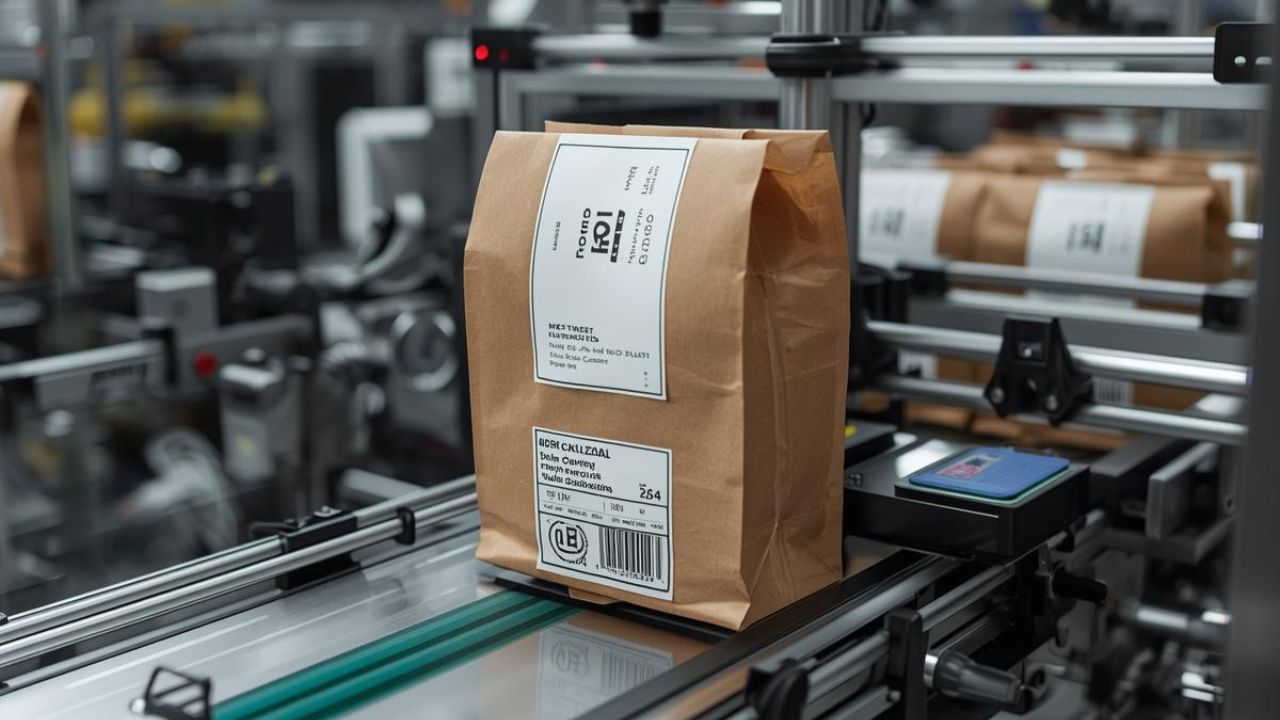
Gusseted bags add expandable panels on the sides or bottom. This extra material increases volume without increasing shelf footprint and helps bags stand more stable during display and shipping.
Two configurations exist: side-gusset and bottom-gusset. Side gussets work well for tall, narrow products. Bottom gussets create a wider base for bulkier items. For optimal barrier performance, combine Kraft paper exteriors with aluminum foil interiors. This blocks moisture, light, and oxygen while maintaining a premium appearance.
Choose gusseted bags when you need more volume per bag than pillow format allows. Choose them when products require a stable footprint for retail display. They cost less per cubic inch than flat bags because they use less material relative to capacity. Applications include baked goods, coffee, tea, and industrial products like fertilizers.
What Is A Stand-Up Pouch, And What Makes It Different From Standard Bags?
Stand-up pouches are engineered for shelf presence. They stand upright on retail shelves and offer large, flat panels for branding. Construction uses 2-3 laminated layers, each serving a specific function.
The outer layer (PET, kraft paper, or metallized film) provides structure and print surface. The middle barrier layer blocks oxygen and moisture. The inner layer creates the heat-seal surface. Barrier performance is measured by Oxygen Transmission Rate (OTR). Coffee requires OTR below 1 cc/m²/day. Shelf-stable meals need below 0.5 cc/m²/day. EVOH barrier layers achieve 0.5-2 cc/m²/day. Aluminum foil delivers essentially zero oxygen transmission.
Choose stand-up pouches when retail visibility matters. Choose them when your product needs extended shelf life and premium positioning. They work well for coffee, pet treats, protein powder, and prepared foods.
What Other Bag Styles Matter For Automation (Flat Pouch, Quad Seal, Wicketed, Stick Pack, Sachet)?
Beyond the core formats, three specialty styles solve specific packaging challenges.
Flat-bottom bags feature a stable, rectangular base built from five material strips sealed on eight sides. They stand upright without support and offer maximum shelf stability. Eco-friendly versions use renewable wood pulp materials that biodegrade and compost. Choose flat-bottom bags when you need box-like stability for coffee, flour, pet food, or cosmetics.
Quad-seal bags use four sealed corners to create a rigid, box-like structure. Material options include PET for stiffness, BOPP for clarity, nylon for puncture resistance, and aluminum foil for superior barriers. Mono-material versions (all PE or all PP) simplify recycling. Choose quad-seal when you need structural rigidity for heavy products like pet food or when sustainability requires mono-material construction.
Wicketed bags come pre-stacked on metal wire holders for rapid loading onto automated or semi-automated lines. Materials include LDPE, metallocene films, and specialized resins. Metallocene-based films deliver high strength and clarity, making them ideal for bakery applications. VCI resins protect metal components from corrosion. Choose wicketed bags when you need fast manual loading or high-speed semi-automated runs for produce, bakery items, hardware, or apparel.
How Do You Match A Bag Type To Your Product, Fill Method, And Automation Level?
Bag selection starts with three questions: What are you packaging? How does it flow? What equipment do you have? The answers narrow your options fast. Free-flowing powders need different formats than chunky irregulars. High-speed rollstock lines need different bags than premade pouch systems. Match the bag to your product and your line, not the other way around.
Which Bag Types Work Best For Free-Flowing Products Versus Irregular Items?
Product flow characteristics determine which bag format runs cleanest on your line.
Choose pillow bags when packaging free-flowing products like snacks, crackers, granules, or small uniform items. The simple three-seal construction and continuous VFFS production deliver maximum speed with minimal complexity. For wrapped bars, baked goods, or bundled items, horizontal flow wrapping systems offer an alternative high-speed format. Choose valve bags when filling powdered or granular products like flour, cement, or fertilizer. The self-closing valve mouth enables rapid filling while controlling dust and preventing leakage. Choose block-bottom bags when handling heavy industrial powders. They dominate cement, dry mixes, fertilizers, salts, plastic resins, flour, sugar, rice, and animal feed operations.
Choose stand-up pouches when your product mix includes liquids, powders, and irregular shapes. Closure options like zip-locks and spouts accommodate different product types on the same format. This flexibility matters when you run multiple SKUs on one line.
Which Bag Styles Are Better For Fragile Products That Need Cushioning Or Low Drop Height?
Fragile products need bags that absorb impact and maintain seal integrity through distribution.
Choose gusseted bags when products need puncture resistance and strong barrier protection. The expanded side panels cushion contents and reduce direct impact on seals. Choose stand-up pouches when fragile items require multi-layer laminate construction. The robust structure distributes stress across multiple material layers rather than concentrating it at seal points. Choose pillow bags when airtight sealing provides adequate protection. The continuous seal around all edges prevents product shift during handling.
For highly fragile items, reduce drop height during filling by selecting premade pouch systems over VFFS. Premade systems position bags closer to the fill point, minimizing product free-fall distance.
When Should You Choose Rollstock (Form-Fill-Seal) Versus Premade Bags?
This decision affects your capital cost, operating speed, and flexibility.
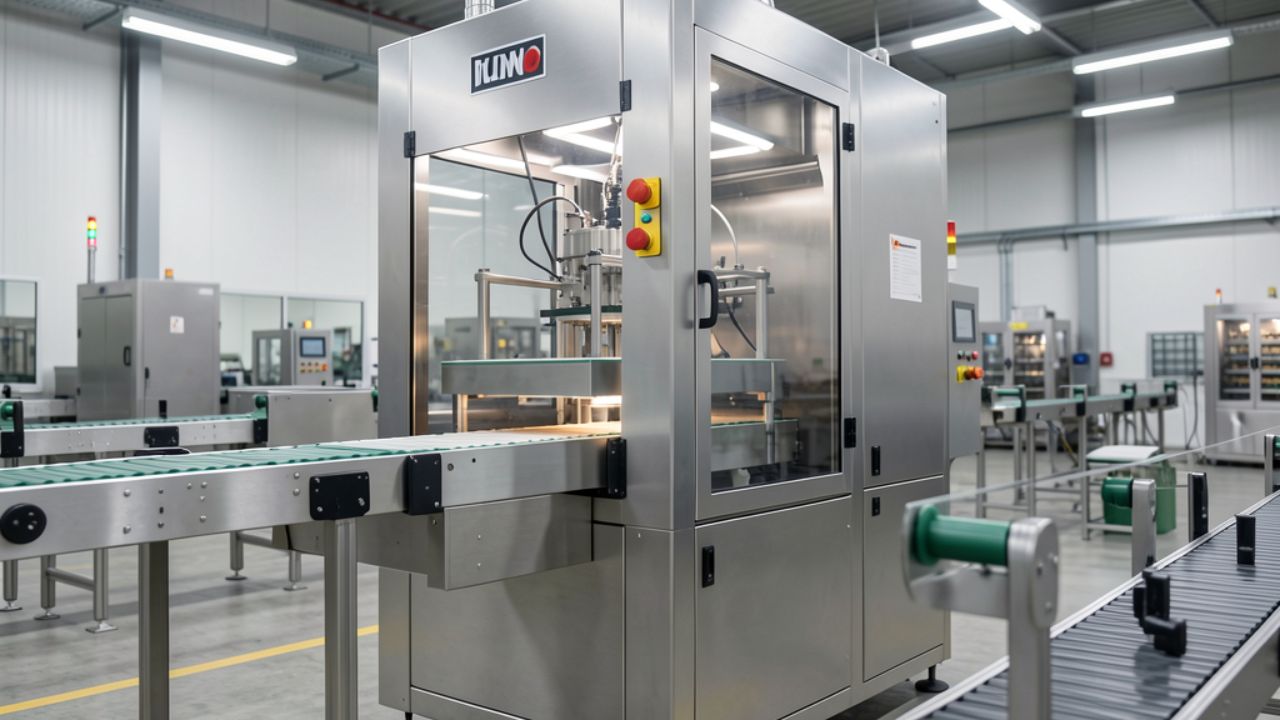
Choose rollstock and VFFS when running pillow bags at high volume. The process forms film into a tube, seals vertically, fills product, then seals and cuts the top. Film costs less than premade bags, and changeover between sizes requires only mechanical adjustments. VFFS works best for consistent, high-volume runs of a single format.
Choose premade bags when running gusseted pouches, stand-up pouches, or complex formats. Rotary and high-speed premade pouch machines deliver accurate filling, consistent sealing, and integrated quality checks. Modern systems offer quick changeover between pouch sizes, remote monitoring, and production speeds competitive with VFFS. Premade bags cost more per unit but eliminate film waste from forming errors and reduce startup scrap.
Can You Run Multiple Bag Types On One Line, Or Do You Need Dedicated Equipment?
Equipment flexibility depends on the bag formats you need to run.
Choose modern multi-format machines when your production requires switching between bag types. Quick-changeover systems handle pillow bags, stand-up pouches, and gusseted formats on shared platforms. Changeover time ranges from 15 minutes for simple size changes to 2 hours for full format swaps. Choose wicketed bag systems when you need fast loading for semi-automated operations. The pre-stacked format allows rapid dispensing without complex machinery adjustments.
Choose dedicated equipment when running block-bottom bags. Production requires specialized processes including tape extrusion, weaving, lamination, and hot-air welding. These steps cannot share equipment with flexible film operations. Dedicated lines make sense when block-bottom volume justifies the investment.
What Materials And Features Affect Automated Bagging Performance And Shelf Life?
Film structure, closures, seal type, and barrier properties work together to determine line performance and product protection. The wrong combination causes jams, leaks, or premature spoilage. The right combination runs clean and keeps product fresh through distribution. Understanding how these elements interact helps you specify bags that perform on your equipment and protect your product.
Which Film Structures Are Most Common (PE, PP, PET Laminations), And Why Do They Matter?
Each film layer serves a specific function. Combining them correctly balances machinability, protection, and cost.
PE (polyethylene) works as the inner sealant layer in most laminates. It seals easily, resists moisture, and bonds reliably at consistent temperatures. Choose PE inner layers when you need forgiving seal windows and moisture protection. PP (polypropylene) provides strength, clarity, and moisture resistance. Choose PP for outer layers when you need stiffness and visual appeal. PET delivers superior structural integrity, excellent printability, and barrier properties. Choose PET outer layers when you need premium graphics and dimensional stability.
Multi-layer laminates combine these materials for specific applications. Block-bottom bags use PE-coated woven builds for industrial strength, BOPP-laminated woven builds for retail appeal, or paper-laminated builds for sustainability. Corona treatment improves adhesive bonding between layers, preventing delamination during filling and sealing. Choose corona-treated films when laminate bond strength matters for barrier integrity.
What Closures And Add-Ons Impact Automation (Zipper, Spout, Tear Notch, Euro Hole, Handle)?
Closures affect both line speed and consumer experience. Each add-on introduces complexity that must be managed.
Choose zip-lock seals when consumers need reusable closure. They work well on stand-up pouches for snacks, pet food, and resealable items. Choose heat sealing when you need tamper-evident, airtight closure without reclose functionality. This remains the fastest and most reliable sealing method for high-speed lines. Choose self-closing valve mouths when filling powders at high speed. The valve design minimizes dust and product leakage during rapid filling cycles.
Choose degassing valves when packaging freshly roasted coffee. These one-way valves release CO2 without allowing oxygen in, preventing bag bloat while maintaining freshness. Choose re-closable zippers for pet food and other products where consumers dispense portions over time. These add 0.5-2 seconds per cycle but improve consumer satisfaction and repeat purchase rates.
What Seal Types Reduce Leaks And Rejects (Fin Seal Vs Lap Seal, Top Seal Options)?
Seal integrity determines reject rates and shelf life. Different products and materials require different sealing approaches.
Choose direct heat sealers when working with thicker materials that need sustained heat penetration. Choose double impulse sealers for heavy-duty applications requiring precise temperature control on both sides. Choose vacuum sealers for food and medical products where oxygen removal extends shelf life. For food applications, ensure your equipment meets HACCP compliance requirements. Choose band sealers for continuous sealing of thermoplastic materials at moderate speeds.
For stand-up pouches, choose heat sealing when tamper evidence matters. Choose vacuum sealing when extended shelf life justifies the slower cycle time. Choose nitrogen flush sealing when preventing oxidation protects sensitive products like nuts, chips, or pharmaceuticals.
Block-bottom bag architecture eliminates needle holes at the base, preventing leakage from stitch lines or micro-cracks. Lamination bond strength matters equally—delamination degrades oxygen barrier properties even when seals remain intact. Test bond strength at receiving to catch problems before filling.
How Do Barrier Needs Change By Product (Moisture, Oxygen, Grease, Aroma, Light)?
Different products require different barrier levels. Over-specifying wastes money. Under-specifying shortens shelf life.
Choose aluminum foil barriers when you need essentially zero oxygen transmission and complete light blocking. Foil works for coffee, pharmaceuticals, and light-sensitive products but adds cost and complicates recycling. Choose EVOH barrier layers when you need OTR of 0.5-2 cc/m²/day. This suits most snack foods and dry goods while maintaining recyclability.
Coffee requires OTR below 1 cc/m²/day to maintain freshness through a typical 6-12 month shelf life. Shelf-stable meals need OTR below 0.5 cc/m²/day to prevent oxidation and maintain quality over 18-24 months. Choose block-bottom bags with PE extrusion coatings when you need tunable moisture barriers for industrial products. Choose BOPP films when you need moisture protection with retail-quality appearance. Choose paper laminates when sustainability requirements outweigh maximum barrier performance.
How Does The Choice Of Bag Type Affect Filling Speed And Product Protection?
Speed and protection often trade off against each other. Faster formats may offer less cushioning. More protective formats may slow your line. The goal is finding the balance point where you hit target throughput without sacrificing product integrity. Bag geometry, film properties, and opening mechanics all influence both metrics.
Which Bag Types Typically Run Fastest On Automated Equipment, And Why?
Line speed depends on bag formation time, opening reliability, and seal cycle duration.
Choose pillow bags on VFFS machines when speed matters most. The continuous process transforms flat film into filled packages without stopping—form, fill, and seal happen in one fluid motion. Well-tuned VFFS lines with integrated weighers and fillers run 60-120 bags per minute, depending on product and bag size. Choose wicketed bags when you need fast handling on semi-automated or manual-load lines. The pre-stacked format eliminates bag separation time and keeps operators moving. Choose valve bags when filling powders at high volume. The self-closing valve mouth enables rapid filling without waiting for seal cycles.
AI and automation are accelerating paper valve bag production further. Predictive maintenance reduces unplanned downtime. Optimized machine setups cut changeover time. These systems deliver faster production cycles, fewer errors, and measurable cost savings on high-volume industrial lines.
How Do Bag Opening And Stability Affect Cycle Time On Premade Pouch Machines?
Premade pouch machines depend on consistent bag opening. Inconsistent opening causes misfeeds, rejects, and line stops.
Choose wicketed bags when reliable opening matters for semi-automated operations. The wire wicket holds bags in consistent position for quick dispensing. Operators or machines pull bags without fumbling or re-gripping. Choose gusseted bags when running rotary premade systems. Modern machines feature vacuum opening, accurate filling, and integrated quality checks that maintain consistency at speed.
Stand-up pouches require more careful handling than flat formats. The gusseted bottom must open fully before filling. Incorrect pouch selection, overfilling, underfilling, and inadequate sealing all increase with rushed cycles. Choose stand-up pouches when shelf presence justifies the speed trade-off, not when raw throughput drives the decision. Budget 10-20% slower cycle times compared to pillow formats on comparable equipment.
How Does Bag Geometry Change Drop Height, Settling, And Product Damage Risk?
Bag shape determines how product falls, settles, and absorbs impact during filling.
Choose flat-bottom bags when you need low drop height and stable filling. The sturdy base holds position during filling, and product drops into a wide, stable pocket rather than a narrow tube. This geometry reduces bounce-back and settling time. Choose block-bottom bags when filling heavy industrial products. The rectangular footprint and brick-like bottom provide exceptional stability during filling and stand upright without support afterward.
Choose quad-seal bags when reinforced corners matter for heavy or sharp-edged products. The box-like structure distributes impact across four sealed corners rather than concentrating stress at two seals. This geometry often eliminates secondary packaging requirements, offsetting higher bag costs with reduced total packaging spend.
When Do Gussets, Flat Bottoms, Or Quad Seals Improve Protection During Shipping And Stacking?
Distribution stresses differ from filling stresses. Bags must survive stacking, vibration, and handling across the supply chain.
Choose block-bottom bags when palletization efficiency and stacking strength matter. High tensile strength prevents tearing under load. The clean base construction eliminates needle holes that cause leakage under compression. The rectangular footprint maximizes pallet density and stacks evenly to full height. Choose quad-seal bags when moisture and oxygen barriers must survive distribution. The robust structure maintains seal integrity through handling, and large flat surfaces palletize efficiently without shifting.
Choose gusseted bags when durability across mixed distribution channels matters. The expanded panels absorb impact and flex rather than tear. Products arrive intact more consistently, reducing damage claims and replacement costs. Operations typically see 15-25% reduction in shipping damage after switching from pillow to gusseted formats for fragile items.
How Do Film Stiffness And Sealability Affect Jam Rates, Misfeeds, And Leakers?
Film properties determine how reliably bags form, open, feed, and seal on your equipment.
Choose polypropylene films when you need stiffness for reliable feeding and moisture resistance for shelf life. PP runs well at high speeds and seals cleanly within broad temperature windows. Choose polyethylene films when flexibility matters more than stiffness. PE conforms to irregular products, reduces jam potential on forming collars, and seals at lower temperatures with wider tolerances.
Choose multi-layer laminates with PE or PP inner layers when you need reliable heat sealing regardless of the outer layer material. The inner sealant layer determines seal consistency; the outer layers handle barrier and print requirements independently. AI-powered vision systems now detect film defects, seal inconsistencies, and barrier failures in real time. These systems catch problems before they become leaks, reducing waste by 20-40% compared to end-of-line inspection alone.
Ready To Optimize Your Bagging Line? Let's Talk.
The right bag type keeps your line running fast and your product protected. The wrong choice costs you in jams, rejects, and customer complaints. Whether you need pillow bags for high-speed snack packaging, gusseted formats for bulk goods, or stand-up pouches for retail impact, the decision starts with understanding your product and your production goals.
At Wolf Packing, we design custom packaging solutions that match your equipment, your throughput targets, and your product requirements. From precision-engineered vffs machine systems to bag selection and full line integration, we handle every detail.
Contact us today for a consultation. Let's find the bag format that runs right on your line.