Key Takeaways
- Label compatibility depends on the full construction—facestock, adhesive, liner, and print method—so one weak component can cause jams, wrinkling, edge lift, or barcode failures.
- Paper labels fit dry, controlled environments and can deliver strong print quality, but film labels are the go-to choice for moisture, abrasion, temperature swings, and squeezable packaging.
- Container substrate and conditions matter as much as label type, since low-surface-energy plastics, curvature, condensation, chemicals, and UV exposure all change what will adhere and last.
- Packaging-line performance is driven by mechanical fit with the applicator, including stiffness vs conformability, liner release behavior, static control, web handling, and the sealing/print requirements.
- The fastest way to prevent downtime is qualification testing at real production speed—sample runs, 24-hour adhesion checks, scuff testing, and temperature cycling—before committing to full-volume label orders.
Label material selection determines whether your packaging line runs smoothly or grinds to a halt. Whether you're running vertical baggers, flow wrapping systems, or jar lines, the wrong facestock, adhesive, or liner creates compatibility issues that show up as flagging, wrinkling, or failed barcodes. Paper labels work well for dry indoor applications. Film labels handle moisture and abuse. Specialty labeling solves problems neither can address alone.
What Does "Label Material Compatibility" Mean For Packaging Lines And Product Performance?
Label material compatibility is the relationship between your label construction and every surface, environment, and process it touches. When materials match, labels dispense cleanly, adhere properly, and survive handling. When they clash, you see jams, rejects, and customer complaints. Compatibility spans facestock, adhesive, liner, container substrate, and print method. Getting one element wrong can undermine the entire system.
Why Do Labels Fail On High-Speed Lines Even When The Artwork Looks Correct?
Artwork approval happens at proofing speed. Production runs at 200, 400, or 800 containers per minute. That speed difference exposes material weaknesses invisible during sampling.
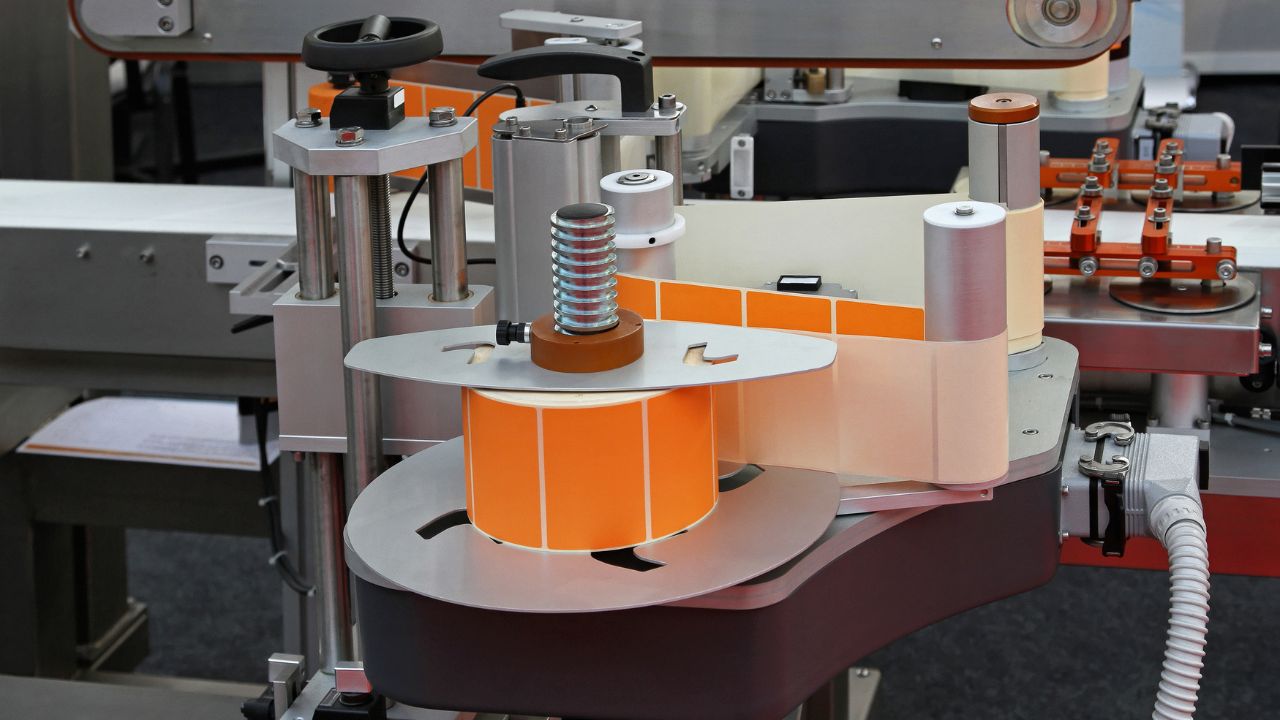
Glue-applied labels are engineered for high-speed, high-volume applications in beverage and canned food operations. Standard pressure-sensitive labels may not dispense or adhere reliably at those same speeds without proper material matching. The adhesive needs enough tack to grab instantly, yet the liner must release without tearing or flagging.
Print quality issues also emerge at speed. Uncoated paper labels absorb ink unevenly due to their porous surface. This creates higher dot gain and muted colors that only become apparent during full production runs. Choose coated paper labels or film labels when consistent color density matters at line speed.
What Line Outcomes Usually Signal Incompatibility (Flagging, Wrinkling, Lift, Edge Curl, Scuffing)?
Visible defects on finished packages point directly to material mismatches. Each symptom has a cause you can trace backward through the system.
Paper labels are highly susceptible to moisture damage. Exposure to humidity or condensation causes wrinkling, bubbling, or graying. Choose film labels when products face cold chain, washdown, or humid storage conditions.
Scuffing and abrasion indicate the facestock cannot withstand handling. Uncoated paper labels show damage first. Coated paper labels and durable film labels like polyester and vinyl offer better abrasion resistance. Choose polyester when labels must survive repeated contact, stacking, or rough transit.
Flagging and edge lift suggest adhesive failure. The adhesive either lacks the tack to grab curved surfaces or loses bond strength under temperature swings. Edge curl often signals facestock stiffness fighting container curvature.
Which Parts Of The System Matter Most (Facestock, Adhesive, Liner, And Print Method)?
Label performance depends on three integrated components working together: facestock material, adhesive chemistry, and print technology compatibility. Change one element, and the others must adjust.
Facestock determines durability, conformability, and printability. Paper labels cost less but fail in moisture. Film labels survive harsh conditions but cost more and require different adhesives.
Adhesive chemistry controls bond strength across temperatures, substrates, and time. Permanent adhesives lock on. Removable adhesives peel clean. Freezer-grade adhesives maintain tack below zero.
Print method must match facestock. Thermal transfer printing requires careful matching of label material and ribbon type for optimal results. Direct thermal works only on heat-sensitive media. Flexographic printing behaves differently on coated versus uncoated stocks.
Choose your facestock based on end-use environment. Then select the adhesive and print method to support that choice.
What Are The Main Label Material Categories, And Where Does Each One Perform Best?
Label materials fall into three categories: paper, film, and specialty constructions. Each serves different environments, budgets, and performance requirements. Selecting the right category first narrows your options and prevents mismatches downstream.
What Are Paper Labels Best Suited For (Cost, Print Quality, Indoor Use)?
Paper labels deliver the lowest material cost and best print characteristics for controlled environments. Choose paper when products stay dry, indoors, and face minimal handling abuse.
Uncoated paper labels cost less than coated versions due to simpler manufacturing. They work well for shipping labels, warehouse identification, and short-life applications where durability matters less than economy.
Coated paper has a smooth, sealed surface that provides excellent print quality with sharper images and vibrant colors. Coated stocks also allow more consistent color reproduction at production speed compared to uncoated varieties. Choose coated paper labels when brand appearance and shelf impact matter.
Paper labels offer a tactile feel that enhances brand perception for premium products like wine, craft foods, and artisan goods. The natural texture signals quality in ways glossy films cannot replicate.
What Are Film Labels Best Suited For (Moisture, Durability, Squeezable Packs)?
Film labels survive conditions that destroy paper. Choose film when products face moisture, temperature extremes, chemical exposure, or physical abuse during handling and use.
Polypropylene, polyester, and vinyl each serve different needs. Polypropylene offers moisture resistance at the lowest film cost, with a temperature tolerance of 150°F to 200°F. Choose polypropylene for bath, beauty, and household products in normal storage conditions.
Polyester (PET) labels handle the widest temperature range, performing reliably from -40°F up to 300°F. Choose polyester for industrial, automotive, or frozen applications requiring extreme durability. Polyester costs more than other films but outlasts them in harsh environments.
Vinyl (PVC) is flexible and conformable, making it ideal for curved or irregular container surfaces. Choose vinyl when labels must wrap compound curves without flagging or lifting. Among film labels, polypropylene is most economical, vinyl falls in the middle, and polyester commands the highest price.
What Specialty Labels Solve Unique Problems (Clear/No-Label Look, Foil, Tamper-Evident, Thermal Transfer Topcoats)?
Specialty labeling addresses requirements that standard paper and film cannot meet. These constructions solve specific functional or regulatory problems.
Tamper-evident labels provide security and a visual indication when products have been opened. They satisfy regulatory requirements for pharmaceuticals, food safety, allergen control, and consumer protection. Choose tamper-evident constructions when chain-of-custody verification matters.
Clear-on-clear labels create a "no-label" look, letting the product itself become the visual focus. Choose clear labels for transparent containers where you want graphics to appear printed directly on the package.
Multi-panel labels provide extra space through layered construction. Extended content labels accommodate detailed instructions, multi-language regulatory text, and ingredient panels without increasing package size. Choose multi-panel when information density exceeds standard label real estate.
Polyester films are often coated to receive resin thermal transfer print for maximum durability. Choose coated polyester when barcode legibility and print permanence must survive years of chemical or UV exposure.
When Should You Choose Pressure-Sensitive Labels Versus Shrink Sleeves Or Wrap-Around Labels?
Application method depends on container shape, branding goals, production volume, and equipment investment. Whether you're running pre-made pouch machines or high-speed bottling lines, each method trades off cost, speed, and visual impact differently.
Pressure-sensitive labels offer application ease and versatility, potentially reducing labor costs. They work across container shapes and sizes with minimal changeover. Choose pressure-sensitive when flexibility and simplicity matter most.
Glue-applied labels are cost-efficient for high-volume, high-speed lines, particularly in beverage and canned food production. Choose glue-applied when running millions of identical units where material savings outweigh setup complexity.
Shrink sleeves provide full-body, 360-degree graphics with extensive branding real estate. Inks are reverse printed behind clear film, preventing scuffing or tearing during transport. Sleeves can extend over caps to create tamper-evident seals. Choose shrink sleeves when maximum shelf impact and tamper evidence justify higher material costs.
In-mold labels fuse with containers during manufacturing, becoming resistant to scratching, scuffing, and moisture. When label and container share the same material—like polypropylene on polypropylene—recycling becomes simpler. Choose IML for premium durability and single-stream recyclability.
How Do Container Surfaces And Environments Change Which Label Materials Work?
The container you label and the conditions it faces determine which materials will hold. Substrate chemistry affects adhesion. Environmental exposure tests durability. Match materials to both the surface and the end-use environment, or expect failures in the field.
Which Container Materials Create The Biggest Challenges (Glass, HDPE, PP, PET, Metal)?
Plastic substrate type significantly influences label compatibility. Polyethylene, polypropylene, and PET each have different surface energies that affect how adhesives bond.
In-mold labels are specifically designed to fuse with plastic containers during molding. Manufacturers often pair polypropylene labels with polypropylene containers to facilitate single-stream recycling. Choose IML when recyclability and permanent decoration matter for plastic packaging.
Metal containers require strong adhesives to ensure secure bonding, especially in environments with temperature fluctuations or moisture exposure. The smooth, non-porous surface resists weak-tack adhesives. Choose aggressive permanent adhesives for metal when products face refrigeration cycles or humid storage.
Glass accepts most label types readily, but longevity depends on adhesive selection. Choose adhesives rated for the specific environmental challenges your glass containers will face.
How Do Surface Energy, Texture, And Curvature Affect Adhesion And Label Placement?
Surface energy determines whether the adhesive spreads and grips or beads up and fails. Low-energy plastics like polyethylene and polypropylene resist adhesion more than high-energy surfaces like glass and metal.
Pressure-sensitive labels are highly versatile and adhere to various plastics when matched with appropriate adhesives. Many paper and film labels work well on glass, but adhesive chemistry becomes critical for long-term performance and environmental resistance. Choose adhesives formulated specifically for your substrate rather than general-purpose options.
Curvature compounds adhesion challenges. Stiff facestocks fight to return to flat, creating edge lift on curved containers. Choose comfortable films like vinyl for compound curves and squeeze tubes.
What Environmental Conditions Degrade Label Performance (Cold Chain, Condensation, Oils, Chemicals, UV, Abrasion)?
Each environmental stressor attacks different parts of the label system. Knowing which conditions your product faces lets you specify materials that survive.
Prolonged UV exposure degrades label materials and fades inks. UV stabilizers can be added to film labels like polyester to enhance outdoor stability. Choose UV-stabilized polyester for products displayed outdoors or in sunny retail windows.
Chemical exposure demands resistant facestocks. Coated paper labels offer better chemical resistance than uncoated ones due to their sealed surface. Polyester and vinyl films demonstrate good resistance to caustic and acidic chemicals. Polypropylene offers the least chemical resistance among film types. Choose polyester or vinyl when labels contact cleaning agents, solvents, or industrial chemicals.
Oils from handling or product leakage undermine adhesive bonds. Choose adhesives tested against the specific oils your products contain or encounter.
How Do Refrigerated, Frozen, And Washdown Environments Change Label And Adhesive Choices?
Cold chain and wet environments demand specialized constructions. Standard adhesives lose tack in freezers. Paper facestocks fail in moisture.
Specialized freezer-grade adhesives are essential for sub-zero applications. Standard adhesives stiffen and release below 35°F. Choose freezer-grade adhesives rated for your actual storage temperature when products enter the cold chain.
Polyester labels perform across the widest temperature range, working reliably from -40°F through 300°F. Choose polyester for frozen foods, cryogenic applications, or products moving between extreme temperatures.
Shrink sleeves support washdown and recycling-focused operations. Sleeves can be removed cleanly for single-stream recycling and allow lighter container weights since they provide structural support. Choose shrink sleeves when products require frequent cleaning or when sustainability certifications demand label removability.
What Factors Determine Whether A Label Material Will Perform On A Given Packaging Line?
Line performance depends on mechanical compatibility between label construction and applicator dynamics. Facestock stiffness, adhesive properties, liner release, and print method must align with your equipment capabilities and speed requirements.
How Does Label Stiffness Versus Conformability Affect Dispensing, Wipe-Down, And Edge Lift?
Stiff facestocks dispense predictably but resist curved surfaces. Flexible materials conform to containers but may buckle during application.
Vinyl's flexibility and conformability make it ideal for curved or irregular container surfaces where stiffer materials would flag or lift. Choose vinyl for squeeze tubes, tapered bottles, and compound curves. Choose stiffer polyester or paper for flat panels and cylindrical containers where dispense consistency matters more than conformability.
How Do Liner Type And Release Characteristics Impact Peel Plate Performance And Web Handling?
Liner release force must match your applicator's peel plate geometry and line speed. Too much release tension causes label stretch or tearing. Too little causes premature dispensing and jams.
Choose liner weights and silicone coatings based on your applicator manufacturer's specifications. Test liner release consistency across roll positions—core versus outer wrap—before committing to production quantities.
What Adhesive Properties Matter Most (Tack, Shear, Peel, Wet-Out, Temperature Range)?
Adhesive selection controls bond formation and long-term durability. Match adhesive type to your application requirements.
Permanent adhesives provide strong, long-lasting bonds not intended for removal. Choose permanent for product identification and regulatory labels. Removable adhesives release without residue or surface damage. Choose removable for promotional labels and reusable containers. Repositionable adhesives allow multiple removal and reapplication cycles. Choose repositionable when end users need adjustment flexibility.
Freezer-grade adhesives maintain adhesion in sub-zero temperatures where standard adhesives fail. Choose freezer-grade for any cold chain application below 35°F.
How Do Static, Humidity, And Dust Affect Label Feeding And Placement Accuracy?
Environmental conditions in your production area directly impact web handling. Static causes labels to cling, mis-feed, or double-dispense. Humidity affects the paper's dimensional stability. Dust contaminates adhesive surfaces.
Choose static elimination equipment for dry winter conditions or film label applications. Control production area humidity between 40-60% when running paper labels. Maintain clean rooms around applicators when adhesive contamination causes bond failures.
How Do Print Requirements Influence Material Choice (Direct Thermal Vs Thermal Transfer, Inkjet, Laser)?
Print technology must match facestock chemistry. Mismatches cause illegible barcodes, smeared graphics, or print that fails prematurely.
Direct thermal printing uses heat-sensitive media requiring no ribbon. It works well for short-life applications like shipping labels but remains sensitive to heat, light, and abrasion. Many direct thermal labels use uncoated paper.
Thermal transfer printing creates durable, long-lasting images with crisp quality on various media, including film labels. However, vinyl labels do not print well with resin ribbons. Some polypropylene materials streak in digital printing, requiring specific coatings or matte finishes.
Choose print method first, then specify compatible facestock.
What Role Do Applicator Type And Line Speed Play (Wipe-On, Tamp-Blow, Wrap, Air-Jet)?
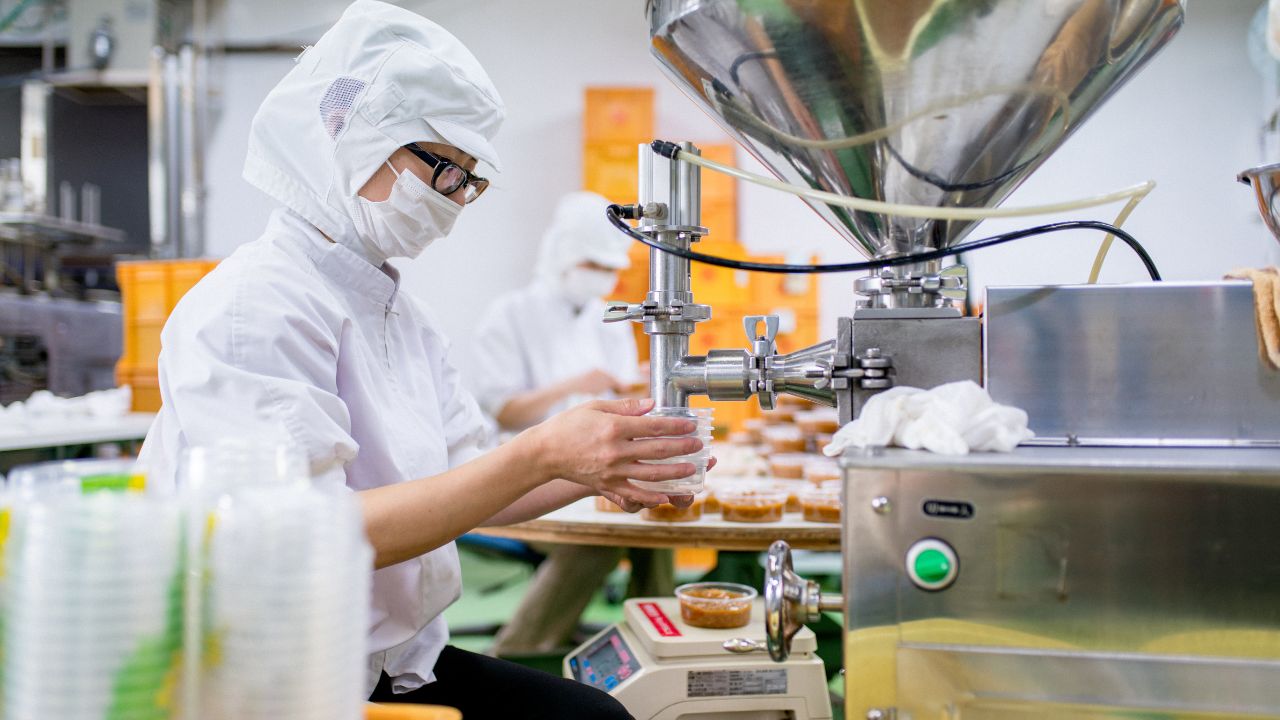
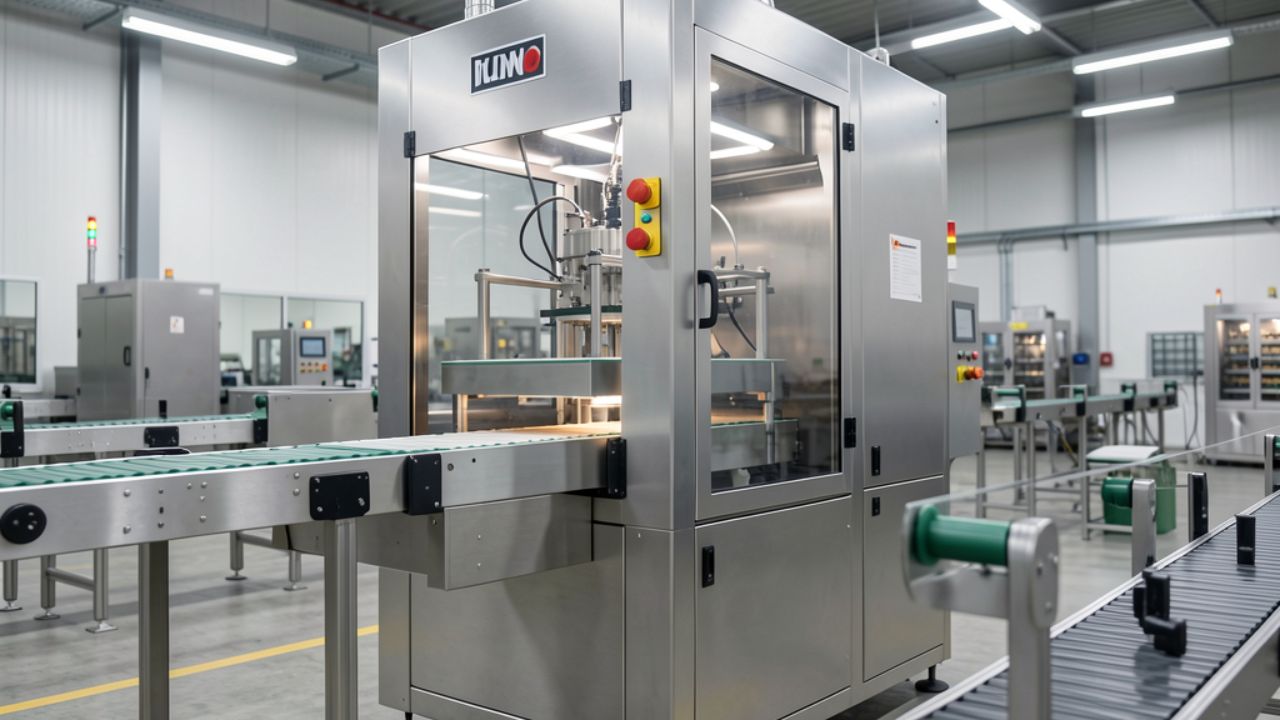
Applicator mechanics determine which label constructions run reliably at your target speeds. Label application must integrate smoothly with upstream weighing and filling equipment. Each application method has material preferences.
Shrink sleeve applicators demonstrate the speed range possible with matched materials. Systems like the Karlville SLEEVEPRO line apply sleeves at 50 to 800 bottles per minute, depending on container complexity. Heat shrink tunnels, then complete the process—steam tunnels deliver distortion-free graphics for full-body applications, while electric tunnels provide 360-degree uniform shrink.
Choose applicator type based on container shape and branding requirements, then specify label materials proven on that equipment platform.
What Tests Should You Run Before Full Production (Sample Runs, Adhesion Tests, Scuff Tests, Temperature Cycling)?
Qualification testing prevents production failures. Test materials under conditions matching actual use—not just laboratory ideals.
Run sample quantities at full production speed to verify dispense reliability and placement accuracy. Conduct adhesion tests on actual containers after a 24-hour dwell time. Perform scuff testing simulating transit conditions. Cycle labels through temperature extremes, matching your distribution chain.
Choose suppliers who provide test data and support qualification runs before committing to production volumes.
What Are The Most Common Label Compatibility Problems, And How Can You Troubleshoot Them?
Most compatibility issues trace to material mismatches. Diagnose the symptom, then decide whether to adjust settings or switch constructions.
Why Do Labels Wrinkle, Bubble, Or "Tunnel," And What Changes Fix It?
Paper labels are highly susceptible to moisture damage, causing wrinkling, bubbling, or graying. Choose polypropylene or polyester film labels when products face humidity or condensation.
What Causes Label Flagging Or Edge Lift, And How Do You Prevent It?
Flagging results from stiff facestock fighting container curvature or inadequate adhesive tack. Choose conformable films and aggressive adhesives for curved surfaces.
Why Does Label Placement Drift At Speed, And How Do You Stabilize Registration?
Registration accuracy for jar labeling typically holds ±2mm. Drift beyond tolerance indicates web tension issues or sensor calibration problems. Verify mechanical settings before blaming materials.
What Causes Scuffing, Smearing, Or Barcode Failure, And How Do You Protect Print Quality?
Uncoated paper labels have poor abrasion resistance. Choose coated paper or film for transit durability. Shrink sleeve inks are reverse printed behind clear film, preventing scuffing entirely. In-mold labels gain protection from the container itself, resisting scratching and moisture.
When Do You Need To Adjust Settings Versus Switch Material?
Adjust settings when problems appear intermittently. Switch materials when failures persist across calibration attempts.
Let's Solve Your Label Compatibility Challenges Together
Label material selection affects every metric that matters—line speed, reject rates, shelf appearance, and total cost. The right facestock, adhesive, and application method eliminate compatibility issues before they reach production. The wrong combination creates downtime, waste, and customer complaints.
At Wolf Packing, we engineer complete packaging solutions that match materials to your containers, environments, and line requirements. Our team evaluates your specific applications and recommends constructions proven to perform at speed.Contact us to discuss your labeling requirements. Whether you need label-ready flexible pouches from a high-speed vffs machine or pressure-sensitive solutions for rigid containers, we'll help you select materials that run reliably and deliver the shelf impact your products deserve.