Key Takeaways
- Wraparound, front-back, and top labels each serve different purposes, with the right choice depending on jar shape, branding goals, information needs, and how the product is displayed or stored.
- Label placement directly affects both consumer perception and compliance, since the front panel drives first impressions while back or side panels support readable nutrition facts, ingredients, allergen warnings, and instructions.
- Jar geometry, seams, embossing, and curvature influence label performance, making pressure-sensitive wraparounds best for straight-walled jars and shrink sleeves a stronger option for tapered or irregular shapes.
- Material and printing choices matter for durability and appearance, especially in refrigerated, wet, or oily environments where film labels, freezer-grade adhesives, and proper print methods help prevent failure.
- Testing mockups, confirming print specs, and planning for future SKUs or regulatory changes can prevent costly reprints and make jar labeling more scalable for promotions, line extensions, and new markets.
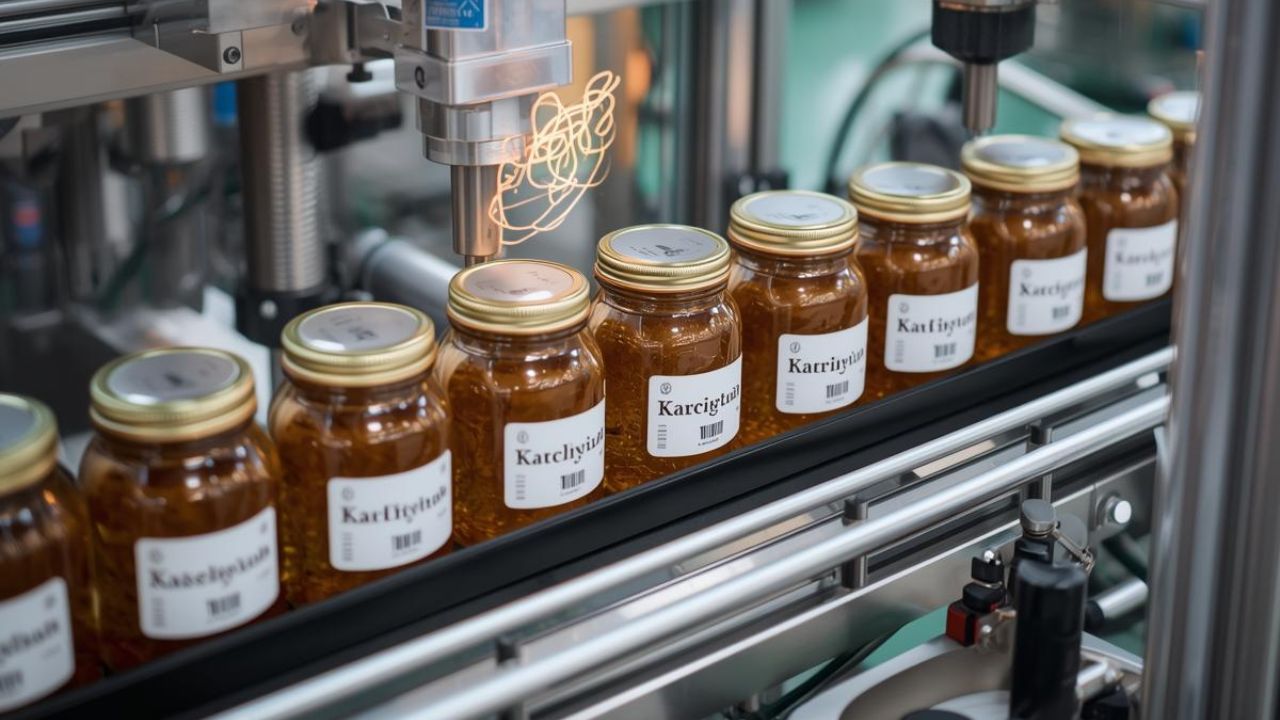
Jar labeling determines how customers perceive your product on the shelf and whether your packaging meets regulatory requirements. While some manufacturers opt for flexible pouches produced on a high-performance vertical form fill seal machine, jar packaging remains dominant for products requiring premium presentation and rigid protection. The three primary options—wraparound labels, front-back labels, and top labels—each serve different purposes depending on jar shape, branding goals, and information needs. Choosing the right label placement affects everything from shelf visibility to compliance with FDA guidelines. This guide breaks down each jar labeling method, explains when to use it, and helps you decide which configuration fits your product best.
What Are the Main Jar Labeling Options and How Do They Differ?
Jar labels fall into three main categories based on where they sit on the container. Wraparound labels encircle the jar body. Front-back labels use two separate panels. Top labels cover the lid or cap. Each option offers distinct advantages for branding, regulatory compliance, and production efficiency.
What Is a Wraparound Label on a Jar?
A wraparound label applies around the entire circumference of a jar, creating a seamless and continuous branding surface. This format maximizes printable area and delivers a clean, unified look without visible seams on the front-facing side.
Shrink sleeve variants of the wraparound label provide full 360-degree coverage. These sleeves can extend over the cap or lid to act as a tamper-evident seal, often perforated for easy removal by consumers. Choose a wraparound label if you need maximum graphic real estate and a premium, seamless appearance. Choose a shrink sleeve wraparound when tamper evidence is required, or your jar has an irregular shape that standard adhesive labels cannot conform to cleanly.
What Is a Front-Back Label Setup on a Jar?
A front-back label setup uses two separate labels—one on the front panel and one on the back. This configuration creates a clear separation between branding content and informational content.
The front label carries brand identity, product name, and key marketing claims. The back label provides dedicated space for nutrition facts, ingredient panels, allergen warnings, and regulatory text required by FDA guidelines. Choose front-back labels when your jar has embossing, seams, or an irregular shape that would disrupt a continuous wraparound. This setup also works well when you need distinct visual zones for marketing versus compliance information.
What Is a Top Label for Jars and When Is It Used?
A top label applies directly to the lid or cap of the jar. It serves branding, product identification, and organizational purposes.
Top labels are commonly used when jars are stored horizontally or stacked—situations where side labels become invisible. Pantry storage, warehouse shelving, and retail endcap displays often present jars from above, making the top label the primary point of visual contact. Choose a top label when you need easy identification from above, want to reinforce branding on an otherwise plain cap, or need to display flavor variants, batch codes, or SKU information.
Can You Combine Wraparound, Front-Back, and Top Labels on One Jar?
Yes. Multiple labeling zones can work together on a single jar. Common combinations include a primary wraparound or front-back label paired with an added top label for secondary branding or SKU identification.
This layered approach lets you maximize branding impact while maintaining functional benefits. For example, a wraparound label handles main product graphics and regulatory text, while a top label displays flavor or variant information visible during stacked storage. Choose combined label placement when your product requires both strong shelf presence and practical identification in storage or inventory settings.
How Do You Choose the Right Label Format for Your Jar Product?
Selecting the right label format depends on jar geometry, production requirements, and how customers will encounter your product. Shape compatibility, display orientation, and branding goals all influence which option performs best. Here is how to match label format to your specific situation.
Which Jar Shapes and Sizes Work Best With Wraparound Labels?
Cylindrical or consistently curved jars work best with wraparound labels. These shapes allow the label to apply smoothly without wrinkles, bubbles, or misalignment. Registration accuracy for jar labeling is typically ±2mm, so uniform curvature ensures the label lands precisely where intended.
Automatic shrink sleeve applicators can handle various container shapes at speeds from 50 to 800 bottles per minute. This flexibility makes shrink sleeves viable for jars with tapered necks, contoured bodies, or other non-standard profiles that would challenge standard pressure-sensitive wraparounds. Choose a pressure-sensitive wraparound label for straight-walled cylindrical jars. Choose a shrink sleeve wraparound when your jar has curves, tapers, or complex geometry that requires the label to conform during application.
When Should You Choose Front-Back Labels Instead of a Wraparound Label?
Front-back labels work well for jars with irregular shapes, seams, or embossing that would disrupt a continuous wraparound. Mold lines, raised logos, or decorative textures can cause adhesion failures or visual distortion on a single continuous label.
This configuration also provides clear content separation. Brand messaging stays on the front panel. Detailed ingredient lists, usage instructions, and regulatory text occupy the back panel without competing for space. Choose front-back labels when jar geometry prevents smooth wraparound application. Choose this format when you need distinct zones for marketing and compliance content, or when back-panel updates (ingredient changes, multilingual text) must happen independently of front-panel branding.
When Does a Top Label Add Branding Value or Functional Value?
Top labels add functional value when jars are displayed from above or stored flat. Retail endcaps, refrigerated cases with overhead visibility, and warehouse shelving often present the lid as the primary viewing surface.
A top label reinforces brand identity on an otherwise plain cap. It can also indicate flavor, variant, or batch information for quick identification during inventory management or consumer selection. Choose a top label when your product will be seen from above in retail or storage settings. Choose this format when you need secondary branding, variant differentiation, or batch tracking without altering your main body label.
How Do Product Type, Shelf Display, and Packaging Goals Affect Label Choice?
Product type and sales strategy shape label format decisions. Shrink sleeves enable short runs, promotions, or seasonal offerings. Brands can use a generic jar inventory and apply different sleeve designs as needed, reducing waste and allowing quicker responses to market shifts. Some manufacturers also run parallel lines with pre-made pouch packaging for product variations that don't require rigid containers.
Products requiring tamper evidence often use full-body shrink sleeves with perforations. The sleeve extends over the cap, showing visible damage if someone opens the jar before purchase. Choose shrink sleeves when you run frequent promotions, limited editions, or need tamper-evident packaging. Choose standard pressure-sensitive labels when production volumes are high, designs are stable, and tamper evidence is handled by other closure features like induction seals.
How Does Label Placement Affect Consumer Perception and Regulatory Compliance on Jars?
Label placement shapes both how customers respond to your product and whether your packaging meets legal requirements. Strategic positioning drives shelf appeal. Proper information hierarchy ensures FDA compliance. Getting both right requires understanding what goes where and why.
How Does Front Label Placement Influence First Impressions and Shelf Visibility?
The front-facing surface creates the first impression. Customers scanning a shelf make snap judgments based on what they see in the first few seconds. Front label placement determines whether your product captures attention or gets passed over.
Shrink sleeves and wraparound labels provide extensive real estate for messaging with full-color images that wrap around the container. This format helps products stand out through vibrant designs and unique visual treatments that cover more surface area than standard front-back configurations. Choose wraparound or shrink sleeve formats when maximum visual impact drives purchase decisions. Choose front-back labels when a focused, clean front panel better suits your brand aesthetic or product category expectations.
Where Should Product Identity, Brand Name, and Key Claims Appear on a Jar?
FDA guidelines under 21 CFR Part 101 govern food labeling, specifying placement and font size requirements for mandatory information. The principal display panel—typically the front-facing surface—must include product identity, net weight, and brand name.
Key marketing claims also belong on the principal display panel where customers will see them first. Health claims, organic certifications, and differentiating features should appear prominently without obscuring required regulatory elements. Choose your front panel layout to prioritize both brand name visibility and mandatory information. Choose claim placement that complements rather than competes with the required text to avoid compliance issues during FDA review.
How Can Back or Side Label Placement Improve Readability for Ingredients and Instructions?
Back panels typically house nutrition facts, allergen warnings, and usage directions per FDA requirements. Dedicating this space to detailed information keeps the front panel clean while ensuring regulatory content remains legible and accessible.
Multi-panel labels have multiple layers, providing extra space for detailed information such as instructions, ingredients, and regulatory information. Peel-back or booklet-style labels expand available surface area without increasing jar size. Choose back panel placement for standard regulatory content when space allows. Choose multi-panel or extended content labels when ingredient lists, multilingual text, or detailed instructions exceed available single-panel space.
What Labeling Mistakes Can Create Compliance Risks on Jars?
Jar labels must comply with FDA regulations for nutrition facts, ingredient lists, and allergen warnings, with specific guidelines on font sizes, placement, and content. Common mistakes include undersized type, missing allergen declarations, and improper placement of required information.
Labels intended for direct or indirect food contact must ensure no harmful substances leach into the food product. Face stock materials, adhesives, and inks are all subject to compliance requirements. Choose FDA-compliant materials from the start to avoid costly reprints or recalls. Choose suppliers who provide documentation confirming their label components meet food contact regulations.
How Can Businesses Balance Attractive Design With Required Label Information?
Clear-on-clear labels create a "no-label" look, allowing the product to be the main visual focus while still carrying required text. This approach works well for visually appealing contents like colorful jams, spices, or layered foods where the product itself drives purchase appeal.
Extended content labels—peel-back or booklet style—provide additional regulatory space without cluttering the primary design. The outer layer carries branding and key claims. Inner layers accommodate detailed ingredients, instructions, and multilingual content. Choose clear-on-clear labels when product visibility matters more than graphic branding. Choose extended content labels when regulatory requirements exceed standard panel space, but you want to preserve front-panel design impact.
What Design and Printing Considerations Matter for Each Jar Labeling Option?
Design and printing decisions directly affect how labels look and perform after application. Jar geometry, environmental exposure, and visual goals all influence material selection, artwork setup, and finishing choices. Here is what matters for each consideration.
How Do Curvature, Seams, and Alignment Affect Label Design on Jars?
Curved surface labeling presents challenges for consistent adhesion and visual alignment. Labels that apply smoothly to flat surfaces can wrinkle, lift, or distort when wrapped around a curved jar body. Mold seams and embossed areas compound these issues.
Standard registration accuracy is ±2mm. Tighter tolerances may require specialized equipment or label formats such as shrink sleeves that conform during heat application rather than relying on precise initial placement. Choose flexible film labels or shrink sleeves for jars with significant curvature or surface irregularities. Choose pressure-sensitive labels for straight-walled containers where ±2mm accuracy meets your design requirements.
What Size and Bleed Considerations Help Labels Fit Cleanly?
Proper bleed allowance ensures graphics extend to the label edge without white borders after trimming. The industry standard is 1/8" minimum bleed on all sides. Artwork that stops exactly at the trim line risks visible gaps due to minor cutting variations.
Shrink sleeve inks are reverse-printed and sealed behind a clear film, preventing scuffing or tearing during transport. This printing method protects graphics throughout distribution and shelf life. Choose reverse-printed shrink sleeves when durability during handling is critical. Choose surface-printed pressure-sensitive labels when cost matters more than maximum scuff resistance, and apply protective coatings or laminates as needed.
Which Materials and Finishes Work Well for Refrigerated, Oily, or Wet-Use Jars?
Paper labels are highly susceptible to moisture damage,e including wrinkling, bubbling, and graying. Film labels made from polypropylene, polyester, or vinyl offer superior moisture resistance for refrigerated or wet environments.
Temperature range matters for cold storage applications. Polyester labels offer resistance from -40°F up to 300°F. Polypropylene performs in a narrower range of 150°F to 200°F. Freezer-grade adhesives are essential for sub-zero applications—standard adhesives lose tack and fail in freezer conditions. Coated paper labels offer better chemical resistance than uncoated versions due to their sealed surface, making them viable for products with oily contents if moisture exposure is minimal. Choose polyester with freezer-grade adhesive for frozen products. Choose polypropylene for refrigerated items within moderate temperature ranges. Choose film over paper whenever moisture or condensation contacts the label surface.
How Do Clear vs. Opaque Labels Change the Final Look on Glass or Plastic Jars?
Clear-on-clear labels create a "no-label" look, emphasizing product contents visible through glass or clear plastic. This approach works well for visually appealing products like honey, jams, pickles, or spice blends where the contents themselves drive purchase decisions.
Opaque labels provide a solid backdrop for vibrant graphics and better contrast for text legibility. White or colored label stock ensures consistent color reproduction regardless of jar contents or container tint. Choose clear labels when product visibility is a selling point,t and jar contents are visually attractive. Choose opaque labels when brand graphics, color accuracy, and text readability take priority over showing the product inside.
How Should You Compare Wraparound, Front-Back, and Top Labels Before Ordering?
Comparing label formats before committing to production prevents costly mistakes. Branding potential, application efficiency, and cost structure all vary by format. Use these criteria to evaluate which option fits your priorities.
Which Option Is Usually Best for Branding Space and Storytelling?
Shrink sleeves and full wraparound labels provide the most extensive real estate for messaging with full-color, 360-degree graphics. No seams or gaps interrupt the visual flow, allowing continuous brand storytelling around the entire jar surface.
Full-body shrink sleeves can incorporate tamper evidence at the cap while maximizing visual impact. The sleeve extends over the closure, combining security features with premium shelf presence in a single application. Choose wraparound or shrink sleeve formats when brand storytelling, product photography, or detailed graphics require maximum surface coverage. For products requiring horizontal flow wrapping systems, shrink sleeves integrate seamlessly into existing packaging lines. Choose front-back labels when a cleaner, more focused front presentation suits your brand better than continuous coverage.
Which Option Is Easiest for Application and Alignment Consistency?
Pressure-sensitive labels offer ease of application, potentially reducing labor costs and improving consistency. These labels apply with simple mechanical pressure and require minimal equipment calibration once set up properly.
Glue-applied labels are cost-efficient for high-volume, high-speed applications but require more equipment calibration and maintenance. Adhesive viscosity, temperature, and application timing must stay within tight parameters to avoid defects. Choose pressure-sensitive labels when simplicity, flexibility, and lower setup complexity matter. Choose glue-applied labels when running sustained high-volume production where per-unit cost savings outweigh calibration demands.
Which Option Can Be More Cost-Effective for Short Runs vs. Larger Runs?
Material costs vary significantly by label type. Uncoated paper labels are generally less expensive than coated labels due to simpler manufacturing. Among film labels, polypropylene is typically the most economical, followed by vinyl, with polyester being the most expensive.
Shrink sleeves and in-mold labels involve higher initial equipment costs but offer long-term benefits in durability, branding, and production efficiency. Shrink sleeves also allow "blank" containers to be used with different sleeve designs for short runs or promotions, reducing container inventory requirements. Choose paper or polypropylene pressure-sensitive labels for cost-sensitive high-volume runs with stable designs. Choose shrink sleeves when running frequent short runs, seasonal promotions, or limited editions where container flexibility offsets higher per-unit sleeve costs.
What Checklist Should You Use Before Finalizing Jar Label Placement?
Before ordering, verify these factors to avoid production issues or compliance failures:
Confirm substrate compatibility. Glass, specific plastic types (PET, HDPE, PP), and metal each require different adhesive formulations for reliable bonding.
Verify environmental resistance needs. Assess exposure to moisture, temperature extremes, UV light, and chemical contact based on your product and distribution conditions.
Check print technology suitability. Flexographic printing suits high-volume runs. Digital printing handles short runs and variable data. Thermal transfer works for on-demand labeling.
Ensure FDA food contact compliance. Materials, adhesives, and inks must all meet regulatory requirements for food packaging applications.
Validate registration accuracy and application speed requirements. Confirm your equipment can achieve ±2mm accuracy at your target production rate.
Choose this checklist approach before every label order to catch compatibility issues early. Choose to revisit these criteria whenever you change jar suppliers, label materials, or production equipment.
What Are the Best Next Steps for Selecting the Right Jar Label Layout?
Selecting the right jar label layout requires testing, precise file preparation, and planning for future needs. Taking these steps before committing to production prevents costly reprints and ensures your labels perform as expected from day one.
Should You Test Multiple Label Mockups Before Printing?
Testing multiple formats confirms adhesion, appearance, and alignment on actual production containers. What looks good in a digital proof may perform differently on a curved glass surface or textured plastic jar.
Prototypes reveal issues with curvature conformity and label application before committing to full runs. A wraparound label that wrinkles at the seam, a pressure-sensitive label that lifts in humidity, or a shrink sleeve that distorts during heat application—all become visible during prototype testing. Choose to test at least two or three format options on your actual jars before finalizing. Choose to run prototypes through your real production environment, including weighing and filling systems, sealing, and shipping simulations, to catch performance issues early.
What File Specs and Proofs Should You Confirm With Your Label Printer?
File specifications must match your chosen material and print method. Coated papers allow for sharper images and vibrant colors compared to uncoated stock, which may have higher dot gain and muted colors. Artwork optimized for coated paper may underperform on uncoated surfaces.
Material and print technology compatibility matters. Some polypropylene materials may streak with digital printing, requiring specific coatings or matte finishes to produce clean output. Polyester films are often coated to receive resin thermal transfer print for maximum durability. Vinyl labels do not print well with resin ribbons and require wax or wax-resin alternatives. Choose to request printed proofs on your actual label material before approving final production. Choose to confirm bleed allowances, color profiles, and resolution requirements with your printer to avoid surprises.
How Can You Future-Proof Your Jar Labels for Product Line Expansions?
Planning for growth prevents label redesigns when you add products, enter new markets, or face regulatory changes. Shrink sleeves enable quicker responses to market shifts with minimal container changeover. You can stock generic jars and apply different sleeve designs as needed for new flavors, limited editions, or regional variations.
Multi-panel and extended content labels accommodate additional SKUs, multilingual text, or expanded regulatory requirements without full redesign. Peel-back and booklet formats provide extra panels for future content while keeping your primary design intact. Choose shrink sleeves when you anticipate frequent product variations or promotional runs. Choose extended content label formats when regulatory expansion, export markets, or ingredient changes are likely in your product roadmap.
Get Expert Guidance on Your Jar Labeling Project
Choosing between wraparound, front-back, and top labels affects your product's shelf appeal, regulatory compliance, and production efficiency. The right label placement turns jars into powerful brand assets. The wrong choice creates costly reprints and compliance headaches.
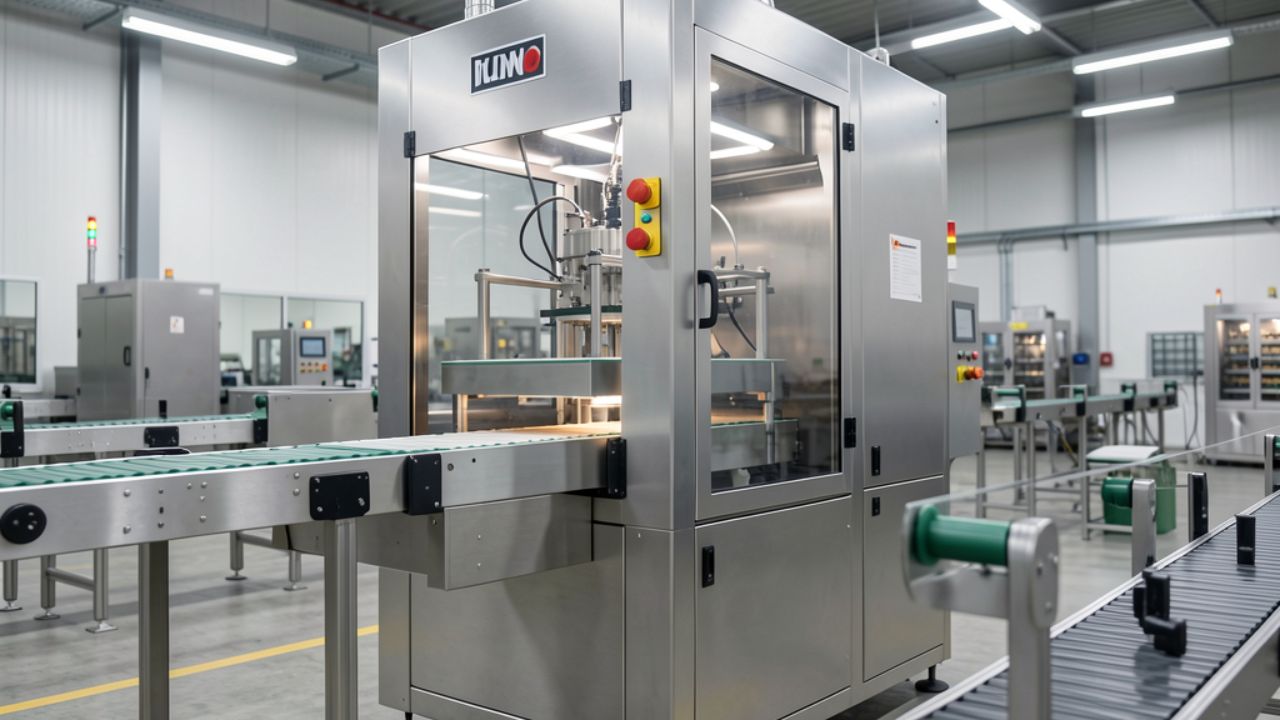
At Wolf Packing, we help manufacturers select and implement jar labeling solutions that match their products, production speeds, and branding goals. Our team provides custom packaging systems designed for your specific requirements—from label application equipment to complete automated lines.
Contact us today to discuss your jar labeling needs and discover which format delivers the best results for your operation.