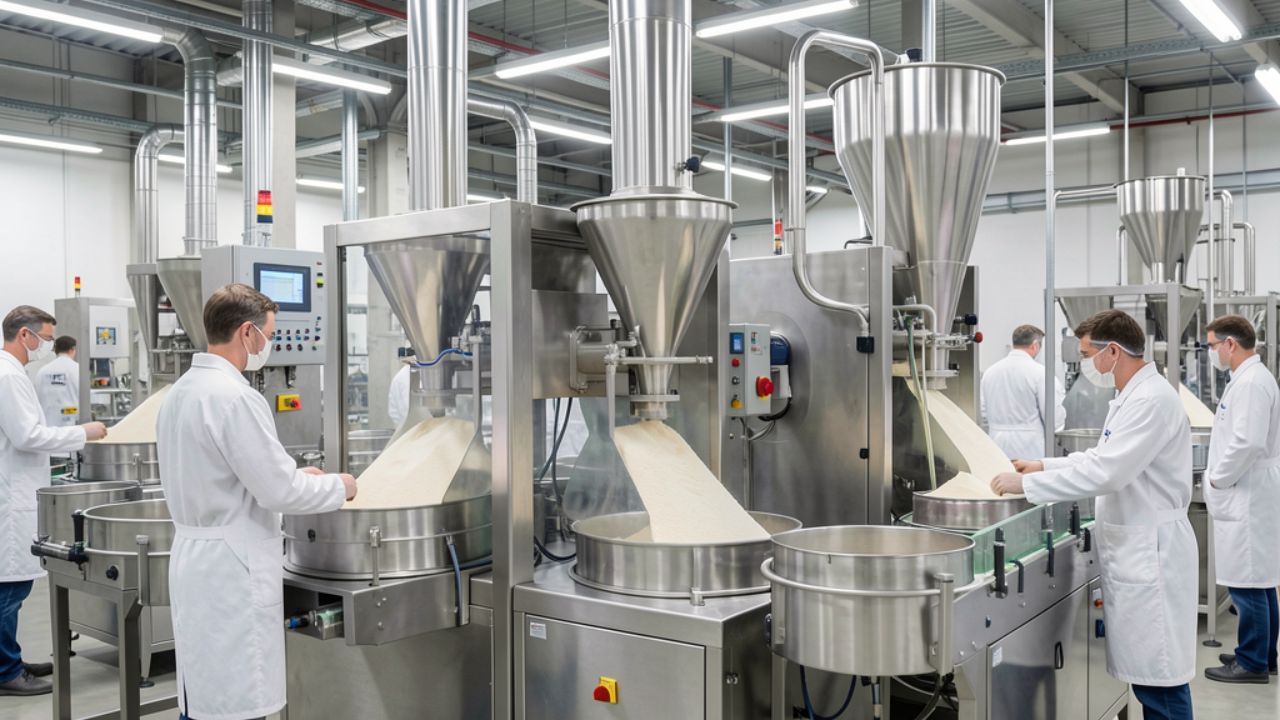
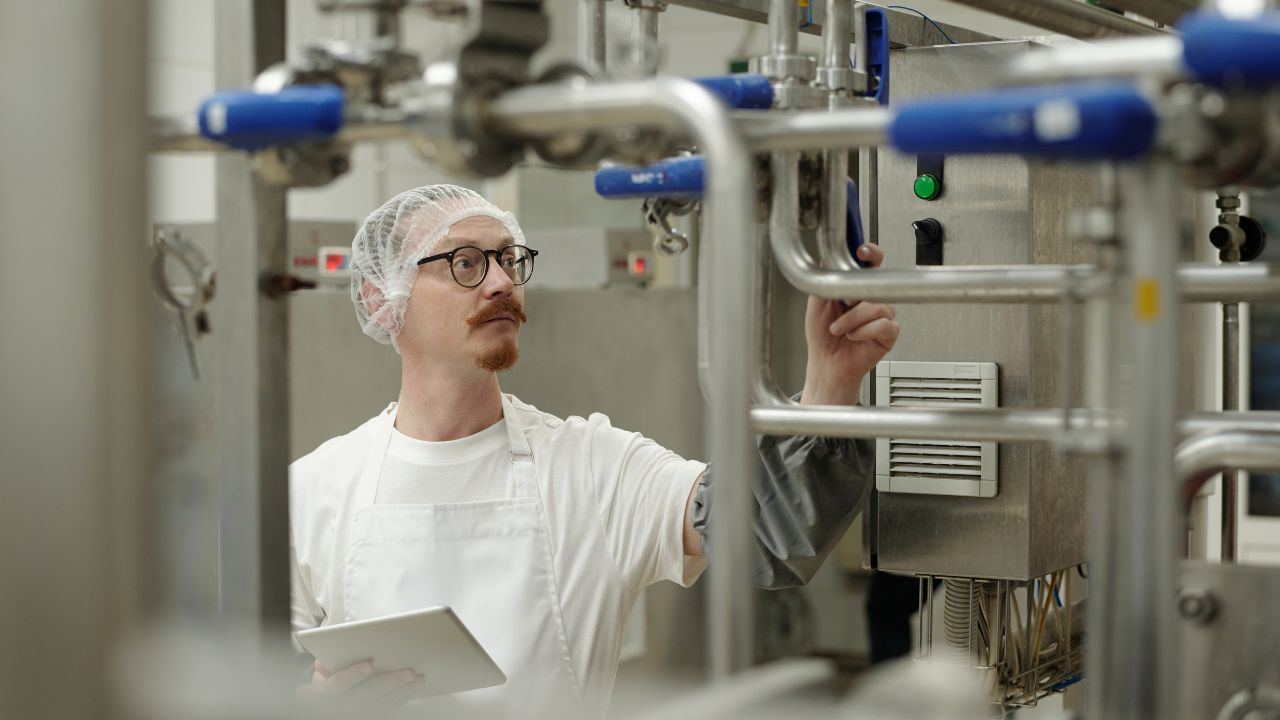
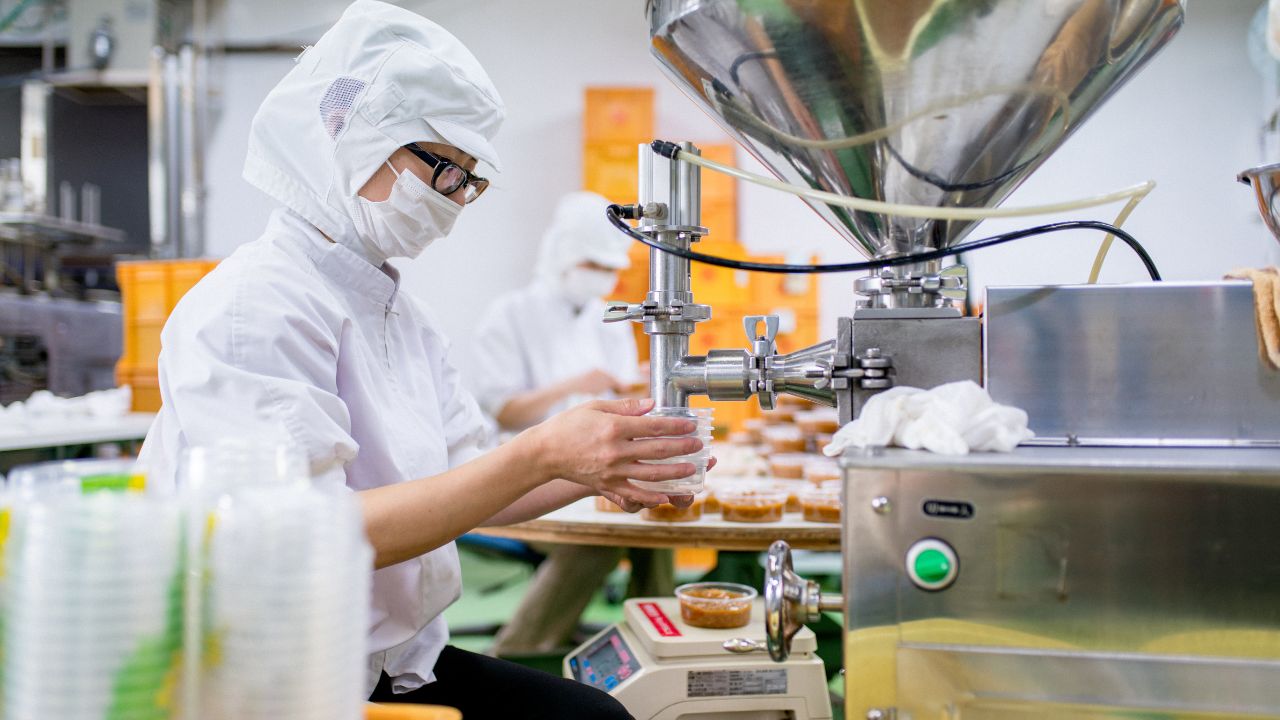
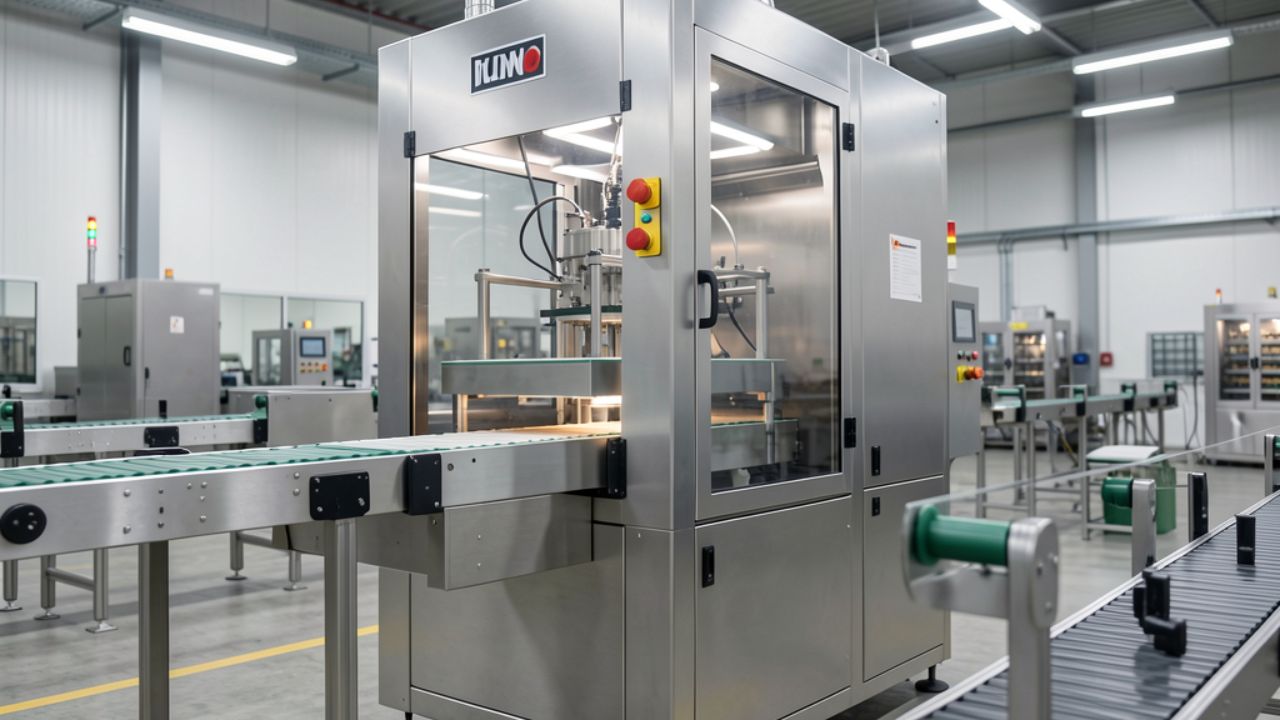
Supplement packaging machines are the backbone of every powder, capsule, and tablet production line. The right equipment determines dosage accuracy, production speed, regulatory compliance, and ultimately whether products reach consumers at the quality they expect. This guide breaks down the core technologies behind powder filling machines, capsule packaging machines, and automated packing lines, covering how each system works, what specs matter most, and how modern packaging automation solves the labor shortages, waste problems, and FDA compliance challenges that supplement manufacturers face daily.
Key Takeaways
- Match filling technology to product type. Auger fillers handle sticky powders, volumetric fillers suit free-flowing products, vacuum systems manage dusty formulations, and multi-head weighers deliver the highest precision at ±0.1–0.5g accuracy.
- Automation cuts labor by up to 75%. Modern packaging lines reduce staffing from 20 workers to 5 while increasing production capacity by 50–100% through quick changeover systems and servo-driven controls.
- Equipment upgrades pay for themselves fast. Manufacturers report fill accuracy jumping from 92% to 99.6%, waste dropping from 7% to 2%, and annual savings of $80K or more from reduced product loss alone.
- FDA compliance depends on built-in automation. GMP certification requires data logging, traceability, SPC integration, and automated reject mechanisms, features that manual processes cannot reliably deliver.
- Downstream quality systems protect every fill. Vision inspection catches defects at 99% accuracy, capping torque control holds ±5% precision, and flow wrap sealing runs 100–300+ packages per minute to preserve product integrity from filling station to shelf.
What Is Supplement Packaging and Why Is It Critical for the Industry?
Supplement packaging is the automated process of filling, sealing, and labeling powders, capsules, and tablets into consumer-ready containers. It directly impacts product integrity, dosage accuracy, and regulatory compliance across the entire supplement supply chain.
Supplement Packaging Machines Handle Powders, Capsules, and Tablets Across Multiple Industries
Powder packaging machines process protein powders, pre-workouts, greens, collagen, and sports nutrition products into stand-up bags, pouches, jars, and other container types. Capsule packaging machines and capsule fillers handle hard capsules, soft-gel capsules, and tablets, filling each capsule shell with precise dosages of vitamins, minerals, and herbal supplements.
These automated machines serve three major sectors. Food and beverage manufacturing accounts for 36% of the total packaging market. Dietary supplements and nutraceuticals represent the fastest-growing segment, driven by demand for powder and granular products. Pharmaceutical and healthcare packaging carries the strictest FDA packaging compliance requirements. Within pharma, compliance packaging organizes doses by day and time in blister packs or pouches to improve medication adherence.
Efficient Packaging Prevents Costly Downtime, Waste, and Compliance Failures
Production downtime costs supplement manufacturers $5,000 to $15,000 per hour. Manual filling processes cause 5–8% product waste from inaccurate weighing and filling alone. Inconsistent fill weights trigger compliance issues, customer complaints, and potential recalls, all threats to product quality and brand reputation.
The labor crisis makes manual packing lines unsustainable. Employee turnover exceeds 40% in the first year for machine operators, and companies spend $15,000 to $30,000 per new hire on recruiting and training. Modern powder packaging equipment, vertical form fill and seal bag machines, high-speed rotary systems, and intelligent control panel technology solve labor shortages with packaging automation while improving production rates and regulatory compliance. The result: fewer workers, higher filling capacity, and consistent product purity across every container size and label type on the line.
How Can Manufacturers Ensure Accurate Dosing When Packaging Powdered Supplements?
Accurate dosing starts with matching the right powder filling machine to the product. Each filling technology offers different precision levels, speeds, and material handling capabilities.
Powder Packaging Machines Use Three Core Technologies for Precise Dosing
Multi-head weighers deliver the highest dosage accuracy in the industry at ±0.1–0.5g, running 60–300 weighs per minute. This weighing system is the standard for expensive ingredients and irregularly shaped items. Ishida and TNA Solutions lead this category.
Volumetric fillers handle free-flowing powder and granular products at 30–120 packages per minute with ±1% accuracy. Spee-Dee and All-Fill are key brands. For light, dusty powders like fine supplement blends, vacuum filling systems prevent product loss entirely by containing airborne particles during the filling process. Greif-Velox specializes in this technology. The right match between product characteristics and filling machines determines both production speed and product quality on every packing line.
Auger Filler Machines Deliver Versatile Precision Across Powder Types
The auger filler machine is the most versatile powder-filling machine for supplement manufacturing. Auger fillers achieve ±0.5–2% accuracy at 20–120 fills per minute, handling both free-flowing and non-free-flowing powders, protein powders, pre-workouts, greens, and sticky formulations that other systems struggle with.
Precision depends heavily on hopper design. Hoppers engineered to prevent bridging and clumping maintain consistent powder flow into the auger, which directly controls dosage accuracy through every fill cycle. Without proper material handling at the hopper stage, even the best control system produces inconsistent fills. Leading manufacturers Spee-Dee, All-Fill, and PER-FIL each offer auger configurations optimized for different powder densities and container types, making auger fillers the go-to processing equipment for multi-product supplement operations.
What Are the Different Types of Supplement Packaging Machines?
Supplement packaging machines fall into two broad categories: capsule and tablet systems for counting and sealing solid doses, and powder packaging equipment for filling bulk formulations into containers and bags.
Capsule Packaging Machines Range from High-Speed Counters to Blister and Strip Systems
Electronic tablet counters fill 30–200 bottles per minute at 99.9%+ accuracy using multi-lane configurations with built-in dust extraction systems. Modular Packaging leads this category. Vibrating channel counters push speeds even higher, aligning and counting hard capsules and tablets at up to 8,000 pieces per minute. JS Pharma and CVC Technologies are the top manufacturers.
For verification, vision-based counting systems use cameras and AI algorithms to achieve 100% counting accuracy while detecting broken or incomplete products. Data Technologies and Cognex are prominent in this field. On the packaging side, blister packaging machines seal individual capsules at 50–400 blisters per minute for retail and pharmaceutical applications. IMA Group and SaintyCo are major suppliers. Strip packaging machines handle the highest throughput, wrapping tablets in foil strips at up to 4,000 pieces per minute, Haiwang and Adinath Pharma lead this segment.
Powder Packaging Equipment Combines Integrated Filling Lines with Flexible Bagging Systems
Bottle filling lines automate the full sequence, unscrambling, container filling, capping, and labeling, at 60–120 bottles per minute. Jinlu Packing and Neostarpack are key suppliers. For stand-up bags, pouches, and pillow packs, vertical form fill and seal bag machines produce multiple bag styles with widths from 2.75" to 15" and lengths up to 25".
Modern powder packaging machines feature intelligent control panel technology with touchscreen recipe storage for 50–200+ SKU configurations, eliminating manual data entry between runs. Automatic film tracking sensors maintain precise alignment and tension throughout production, reducing material waste and keeping production rates consistent across container sizes.
How Does Automation Solve Labor Shortages in Supplement Packaging?
Packaging automation directly replaces manual labor with machines that run faster, more consistently, and with fewer operators on the floor.
Automated Packaging Systems Cut Labor Requirements by Up to 75%
The impact is immediate. Automation can reduce packaging labor from 20 workers to 5 on a single production line. Quick changeover systems compress format changes from 30–90 minutes down to 5–15 minutes, a 70–85% reduction in downtime between runs. Applying SMED (Single-Minute Exchange of Dies) principles pushes this further, cutting packaging downtime from 90 minutes to just 9 minutes.
Tool-less format change mechanisms let operators switch bag sizes and styles without wrenches or manual adjustments. Triangle Package Machinery's Automatic Changeover Wizard enables complete changeovers in as little as 5 minutes with the push of a button. Fewer tools means fewer skilled hands needed, which directly addresses the labor crisis hitting supplement manufacturers hardest. When you solve labor shortages with packaging automation, you also eliminate the $15,000–$30,000 per-hire cost cycle that drains operating budgets.
Integrated Food Packaging Machines Increase Capacity While Simplifying Operations
Servo-driven adjustable formers accommodate bag widths from 2 to 16 inches without mechanical changes. Operators make adjustments electronically through the touchscreen HMI control panel, no downtime for manual retooling. Modular sealing jaw systems with quick-release clamps allow sealing unit removal in 3 minutes flat, keeping packing lines running through maintenance windows.
The production gains are substantial. Manufacturers integrating automated food packaging machines into existing lines achieve 50–100% capacity increases without adding headcount. Simplified changeover processes also reduce training requirements, allowing facilities to onboard operators faster and reallocate experienced personnel to higher-value tasks. The net effect is higher production rates, lower labor cost, and a workforce that scales with demand instead of limiting it.
What Are the Key Features to Consider When Choosing Powder Packaging Equipment?
Selecting the right powder packing machine comes down to matching product characteristics, production speed requirements, and compliance needs to specific equipment capabilities.
Product Type, Build Quality, and Operator Simplicity Drive Equipment Selection
Product characteristics dictate the technology. Free-flowing powders pair with volumetric fillers. Non-free-flowing or sticky powders require auger fillers. Light, dusty formulations need vacuum systems. High-precision applications demand multi-head weighers and fillers. Choosing wrong means sacrificing dosage accuracy, product purity, or both.
Beyond the filling process, construction and usability matter equally. Stainless steel construction is non-negotiable for sanitary compliance, durability, and FDA-compliant designs built for 15+ year lifespans. Servo-driven precision delivers 99.5%+ fill accuracy, directly reducing waste and customer complaints. Intuitive HMI touchscreen interfaces cut operator training time from weeks to days, critical when turnover runs high. The best ROI comes from powder packaging equipment that handles multiple products across multiple container types: powders, granules, and capsules into bags, pouches, bottles, and jars on a single line.
Choose auger fillers if you package sticky, non-free-flowing powders like pre-workouts or greens. Choose volumetric cup fillers when running free-flowing granular products at high speeds. Choose vacuum filling systems when light, dusty powders cause product loss or contamination on open lines. Choose multi-head weighers when dosing accuracy below ±0.5g is required for expensive or regulated ingredients. When it makes sense to invest in multi-product capability, select equipment that handles powders, granules, and capsules across bags, pouches, bottles, and jars, one flexible line replaces three single-purpose machines. Expected outcomes from proper equipment matching include 99.5%+ fill accuracy, 50–100% capacity increases, and payback periods under 24 months.
Weighers, Fillers, and Downstream Inspection Systems Work Together to Maximize Line Efficiency
Packaging efficiency extends beyond the filling machines. Downstream container handling and quality control systems determine whether accurate fills actually reach the customer. Capping machine torque control operates within adjustable ranges of 5–80 inch-pounds at speeds up to 60 containers per minute, with closed-loop monitoring achieving ±5% torque accuracy through mechanical clutches, servo-driven systems, and feedback sensors.
Vision inspection systems catch what manual checks miss. AI-powered cameras achieve 99% overall defect detection accuracy with a final production defect rate of just 0.2%, scanning 180 parts per minute down to defects as small as 3mm. Detection rates by type: missing caps at 99.9%, skewed caps at 99.5%, cross-threading at 99.0%. Integrated control systems tying weighing, filling, capping, and inspection together are what separate modern packing lines from outdated manual operations.
How Can Manufacturers Ensure FDA Packaging Compliance in Supplement Production?
FDA packaging compliance requires automated systems that document every step of the filling process, from raw material input to sealed container output.
FDA Demands GMP Certification, Traceability, and Real-Time Quality Monitoring
Good Manufacturing Practice (GMP) certification is mandatory for supplement and pharmaceutical packaging. Meeting GMP standards means every piece of processing equipment on the line must produce verifiable, auditable data. Data logging and traceability built directly into powder packaging machines and filling machines give manufacturers the documentation that FDA auditors require.
Check weigher and inspection systems serve as the compliance backbone, automatically identifying and removing underweight or overweight products from the production line before they ship. Statistical Process Control (SPC) integration enables real-time quality monitoring through control charts tracking upper and lower control limits. For torque applications, typical SPC parameters run UCL at 28.6 in-lbs, LCL at 21.4 in-lbs, and centerline at 25.0 in-lbs, any deviation triggers immediate corrective action.
Packaging Automation Eliminates Human Error from Regulatory Compliance Workflows
Automated torque testing protocols operate inline for real-time, high-volume monitoring or offline for sampling-based verification. Digital torque testers provide instant feedback with data storage for tracking, replacing manual testers that introduce human error. Reject mechanisms automatically pull non-conforming products from the line at typical reject rates of 0.5% or less, protecting product integrity before containers leave the facility.
Cross-threading prevention is equally critical. Automated container handling mechanisms incorporate cap orientation and delivery control, side-grip bottle stabilization, floating spindles, and servo-regulated torque to ensure consistent sealing. These features matter across every sector requiring regulatory compliance, pharmaceuticals for contamination prevention, food and beverage for freshness, cosmetics industries for consumer-friendly sealing, and chemical industries for hazardous material containment.
How Can the Right Packaging Machine Improve Product Consistency and Quality?
Product quality is the direct output of equipment precision. Upgrading from manual to automated filling machines produces measurable improvements in accuracy, waste reduction, and throughput.
Precise Powder Filling Machines Improve Accuracy from 92% to 99.6%
Real-world results speak clearly. Manufacturers upgrading powder packaging equipment see fill accuracy jump from 92% to 99.6%, dramatically reducing customer complaints and compliance failures. Reducing product waste from 7% to 2% translates to approximately $80K per year in savings, money previously lost to inaccurate weighing systems and inconsistent powder filling.
Output gains compound the ROI. Upgraded automation delivers 65% production increases on a single line without adding headcount. In capsule counting environments, dust extraction systems are required to maintain both product purity and workplace safety. Without proper extraction, airborne particles contaminate adjacent products and expose operators to inhalation risks. Every improvement in the filling process precision protects product integrity downstream.
Consistent Capsule Packaging Prevents Recalls and Builds Long-Term Brand Trust
Inconsistent package weights trigger a predictable chain: customer complaints, failed inspections, costly product recalls, and damaged brand reputation. AI-powered vision systems prevent this by detecting three types of cap defects simultaneously, missing caps, skewed caps, and cross-threading, down to defects as small as 3mm.
For supplement products requiring extended shelf life, flow wrap packaging solutions create hermetic seals at 100–300+ packages per minute, delivering product protection and freshness preservation at production speed. Modified Atmosphere Packaging (MAP) capability extends shelf life further for sensitive formulations like probiotics and enzyme blends. Available film types include polypropylene, polyethylene, polyester, cellophane, metallized films, and recyclable options, giving manufacturers flexibility for both brand differentiation and sustainability goals. The right packaging machine does not just fill containers. It protects every unit of product quality from the filling station to the store shelf.
Why Manufacturers Choose Wolf-Packing Over Other Equipment Suppliers
What makes Wolf-Packing different: every system is veteran-engineered in the USA with stainless steel construction, backed by lifetime technical support from the engineers who designed it, not an outsourced call center. Parts ship from U.S. warehouses in 2–3 days, not 6–8 weeks from overseas. Choose Wolf-Packing when you need a packaging partner who provides custom engineering, on-site installation, hands-on operator training, and responsive service after the sale. Wolf-Packing may not be the right fit if you’re sourcing the lowest-cost commodity equipment with no need for ongoing support, customization, or U.S.-based service. For manufacturers who value reliability, precision, and a long-term partnership over the cheapest upfront price, Wolf-Packing delivers proven ROI within 18–24 months.
Ready to Upgrade Your Supplement Packaging Line?
Wolf-Packing Machine Company helps supplement manufacturers solve labor shortages, improve dosage accuracy, and meet FDA packaging compliance with veteran-engineered automation built in the USA. From auger fillers and multi-head weighers to complete VFFS packaging lines, every system is designed for precision, durability, and fast changeovers. Get lifetime technical support from engineers who built your equipment, not a call center. Contact Wolf-Packing Machine Company today for a free consultation and custom ROI analysis for your production line.