Flow wrap packaging is one of the most versatile and efficient packaging methods in modern manufacturing. From baked goods and confectionery to medical devices and frozen foods, horizontal flow wrapping systems deliver airtight seals, high-speed packaging, and measurable cost savings across industries. But not every product benefits equally. This guide breaks down which consumer goods see the highest ROI from flow wrapping, how the technology improves production efficiency and food safety packaging, and what to consider when evaluating flow wrap packaging machines for your production line.
Key Takeaways
- Flow wrap packaging operates at 100–300+ packages per minute and handles food, confectionery, medical devices, hardware, and frozen foods on a single production line.
- Automated flow wrapping machines can reduce packaging labor from 20 workers to 5 on one line, cutting labor costs by up to 75%.
- Modified Atmosphere Packaging capability extends shelf life significantly for fresh produce and perishable goods, reducing spoilage costs and food safety risk.
- Quick-changeover technology cuts format change downtime by 70–85%, dropping changeovers from 30–90 minutes to 5–15 minutes.
- Consistent packaging equipment maintenance keeps vision inspection systems at 98.5–99.9% defect detection and prevents unplanned downtime that costs $5,000–$15,000 per hour.
What Is Flow Wrap Packaging and How Does It Work?
Flow wrap packaging uses a horizontal form fill and seal process to overwrap individual products in packaging film. A continuous web of sealing film moves horizontally, wraps around each item, and forms a sealed package with a longitudinal fin seal and two end seals. The flow wrapping process runs continuously and handles a range of packaging material options including polypropylene, polyethylene, polyester, cellophane, metallized films, and FDA-approved packaging film. This combination of speed, seal integrity, and material versatility makes flow wrapping a preferred packaging method for food, medical, and consumer goods manufacturers.
A Flow Wrap Packaging Machine Has Seven Core Components
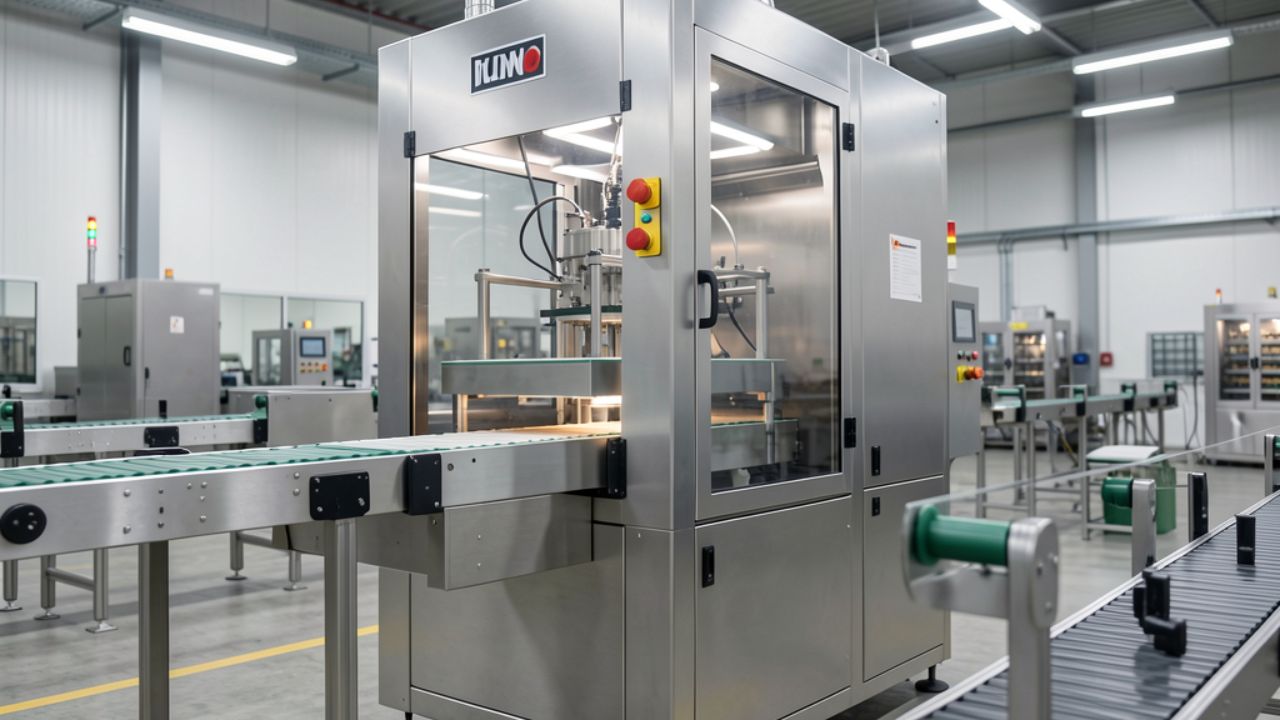
Every flow wrapper machine shares the same fundamental architecture. An infeed conveyor meters products into the wrapping station at consistent spacing. A film roll holder and unwinding system feeds a flat web of heat-sealable film. A forming box shapes that film around the product into a tube. A longitudinal fin seal bar creates the continuous bottom seal. Rotary or box-motion end seal jaws create cross-seals and cut individual packages apart. Film tracking sensors maintain automatic alignment. A touchscreen HMI stores recipes, controls speed, and runs diagnostics.
Flow Wrap Packaging Moves Products Horizontally While VFFS Drops Them Vertically
The core difference between horizontal flow wrapping systems and vertical form fill seal systems is product orientation. A flow wrapper moves solid, shaped items like baked goods, candy packaging accessories, and medical devices across a flat conveyor and wraps film around them. VFFS drops loose, granular, or powder products vertically into a formed bag. VFFS produces pillow bags, gusseted bags, and flat-bottom bags across a 2.75 to 16 inch width range. Horizontal flow wrappers produce fin-seal pillow-style wraps and accommodate varied product lengths on a single production line. Flow wrap is the stronger choice for food and non-food applications involving solid items with a defined shape. VFFS is better suited for free-flowing and powdered packaging products.
Choose flow wrap packaging if you package solid, individually shaped products like bars, cookies, medical devices, or hardware components and need airtight seals at high speed. Choose a vertical form fill seal system when your product is a free-flowing powder, granule, or small particle that drops by gravity into a formed bag. Choose flow wrap when fast changeovers across varied product lengths matter most. Choose VFFS when you need gusseted bags, flat-bottom pouches, or pillow bags for loose-fill applications.
Which Consumer Goods See the Highest ROI When Switching to Flow-Wrap Packaging?
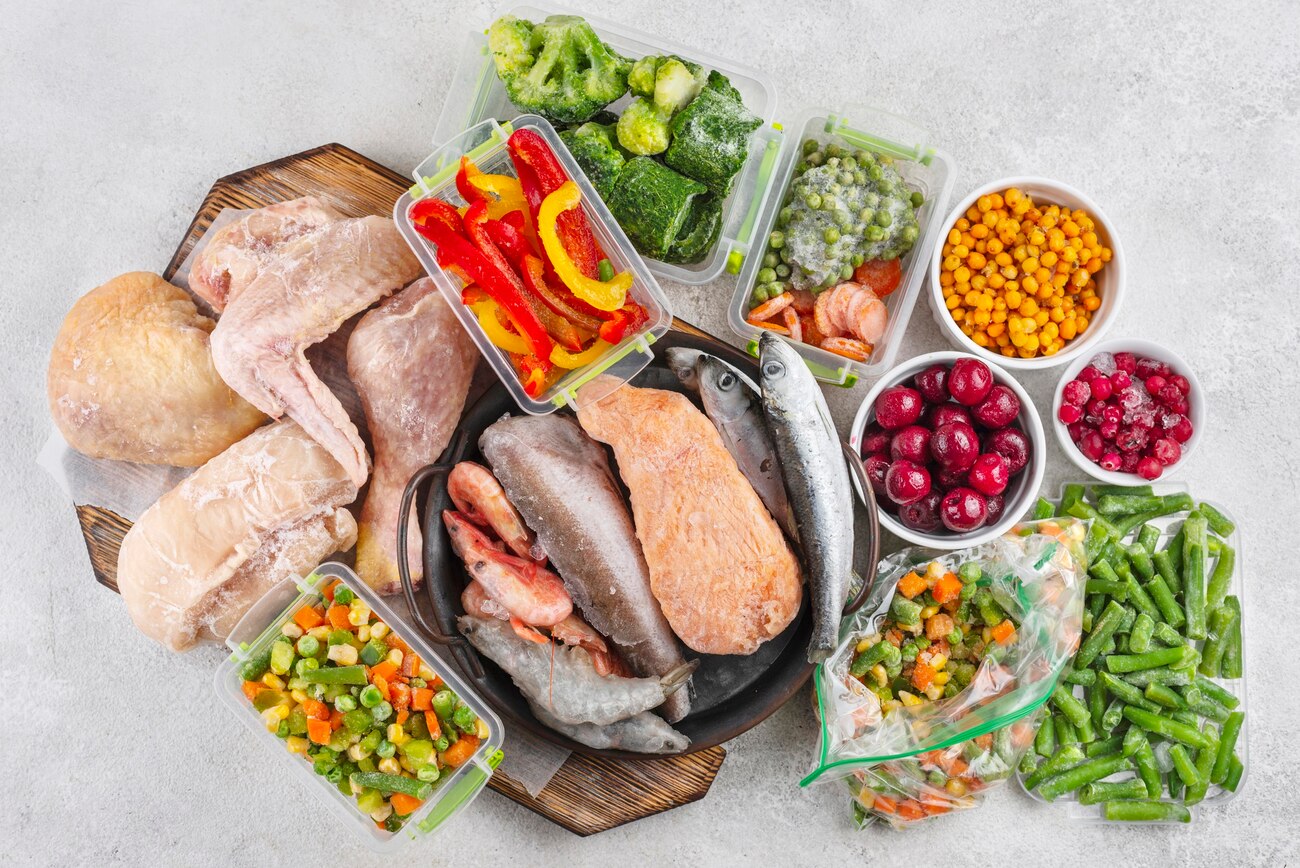
Baked goods, confectionery, fresh produce, frozen foods, and medical devices consistently deliver the strongest returns from flow wrap packaging. Each scores high across hermetic seal quality, high-speed packaging capability, material efficiency, and product protection. Hardware items also benefit, particularly where speed and material savings matter most. The ROI depends on production volume, product type, and current labor costs. Manufacturers running 100 or more packages per minute consistently see full equipment payback within 12 to 24 months of installation.
Flow Wrap Packaging Creates Airtight Seals That Protect Products Across Retail and Medical Applications
Flow wrapping produces a secure, airtight seal that blocks moisture, oxygen, dust, and contaminants. For retail packaging of baked goods and confectionery, this hermetic barrier preserves freshness, extends shelf life, and provides a large surface area for brand identity and product information. Frozen food packaging maintains seal integrity at freezing temperatures, preventing freezer burn. For medical devices and medical supplies, the same sealing system creates a sterile barrier critical for patient safety and regulatory compliance. Confectionery and consumer goods gain both product protection and polished product presentation from a single packaging method.
Horizontal Flow Wrapping Systems Reduce Food Safety Risk and Spoilage Costs Through Modified Atmosphere Packaging
The biggest food safety packaging advantage of horizontal flow wrapping systems is Modified Atmosphere Packaging. MAP replaces the air inside a sealed package with a controlled gas mixture, typically nitrogen, to slow spoilage. This capability is rated critical for fresh produce like cucumbers, carrots, and peppers, where it significantly extends shelf life and cuts waste-related cost. MAP also rates high for medical and pharmaceutical applications. Beyond atmosphere control, hermetic seals from flow wrapping machines prevent contamination that could trigger costly recalls. Automated packaging eliminates excess human handling, further reducing contamination risk. The combined effect of fewer rejected products, longer shelf life, and lower spoilage rates drives measurable cost savings and a faster payback on equipment investment.
How Does Flow Wrap Packaging Improve Production Efficiency?
Flow wrap packaging machines operate at 100 to over 300 packages per minute in a continuous, automated process. That speed eliminates manual wrap-and-seal steps entirely and transforms production line throughput. For manufacturers still running manual wrap-and-seal processes, the efficiency gap is dramatic. Quick-changeover technology, touchscreen recipe storage, and automatic film tracking combine to keep production lines running with minimal operator intervention between product runs. The result is higher output per shift with fewer operators and significantly less waste.
Horizontal Flow Wrapping Systems Deliver High-Speed Packaging With Instant SKU Changeovers
Horizontal flow wrapping systems run at 100–300+ packages per minute and adjust quickly to different product sizes and shapes. Touchscreen interfaces with recipe storage let operators recall pre-programmed settings instantly. Some flow wrapping machines store 50–200+ SKU configurations covering product dimensions, sealing temperatures, and bag length parameters. Automatic film tracking sensors maintain consistent packaging film alignment and tension throughout every run, preventing material waste. These automated solutions keep the production line moving without manual recalibration between jobs.
Flow Wrap Packaging Machines Cut Labor Costs by Up to 75% While Boosting Throughput
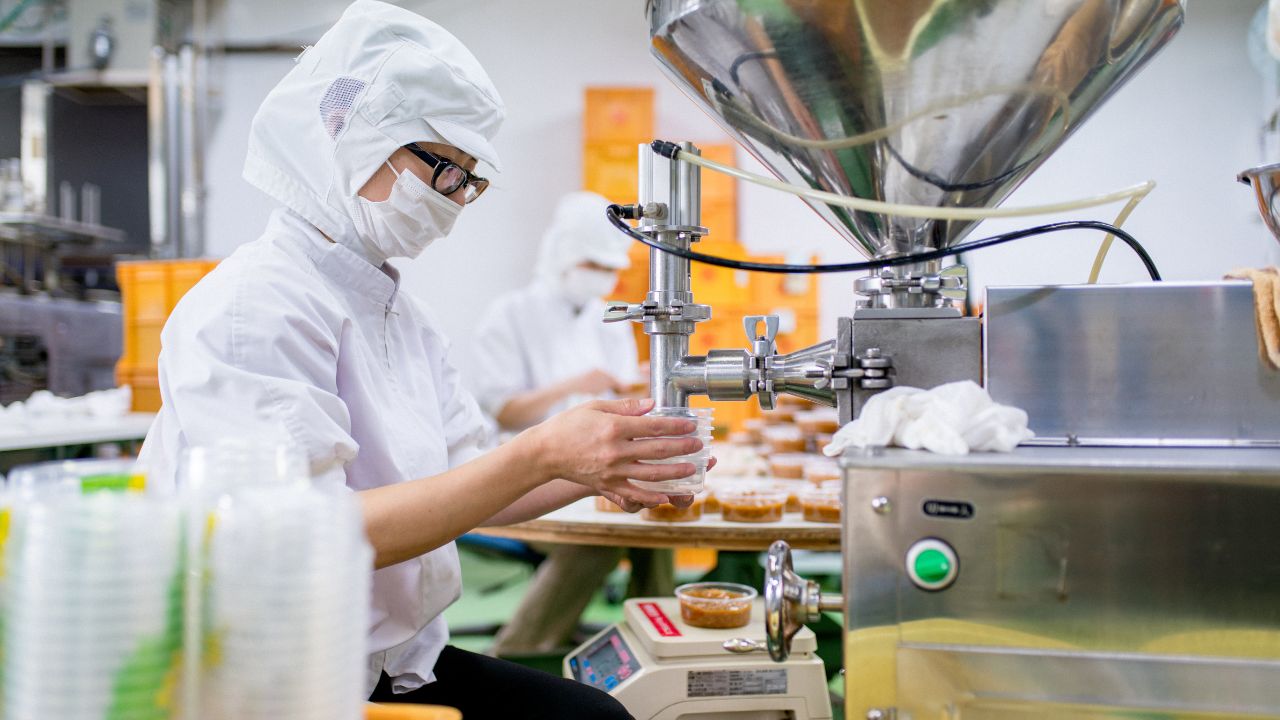
Manual packaging labor in manufacturing faces turnover rates exceeding 40% in the first year. Each new hire costs $15,000–$30,000 in recruiting and training. Automated packaging machines solve this directly. A single integrated packaging system can reduce packaging headcount from 20 workers to 5 on one line, cutting labour costs by up to 75%. Quick-changeover technology compounds those gains. Tool-less mechanisms and servo-driven adjustments reduce changeover downtime by 70–85%, dropping format changes from 30–90 minutes to 5–15 minutes. Modular sealing jaw systems with quick-release clamps allow sealing unit removal in as little as 3 minutes. The result is more packages per shift with fewer people, less downtime, and significantly lower cost per unit.
How Does Flow Wrap Packaging Contribute to Sustainability?
Flow wrapping minimizes packaging material waste by design. The process uses only the film needed to tightly wrap each product, and material efficiency rates high across every major product category including baked goods, confectionery, fresh produce, medical devices, hardware, and frozen foods. Compatibility with recyclable and compostable films gives manufacturers a clear path toward eco-friendly packaging without retooling entire production lines. Upstream filling precision and downstream inspection further reduce product and material waste at every stage.
Flow Wrap Packaging Supports Recyclable, Compostable, and Low-Energy Sustainable Packaging Materials
Modern flow wrapping machines run eco-friendly packaging films alongside standard options like PP, PE, PET, cellophane, and metallized materials. For labeling on flow-wrapped consumer goods, PETG shrink sleeve material is fully recyclable with high clarity and scuff resistance at a shrink ratio up to 78%. PLA film is compostable and derived from renewable resources with a shrink ratio up to 72%. PLA also initiates shrink at just 120°F, the lowest among common materials, which reduces energy consumption during heat sealing. OPS film provides another cost-effective sustainable packaging option with high clarity. These material choices let manufacturers meet sustainability goals without sacrificing product protection or product presentation.
Flow Wrapping Reduces Both Film Waste and Product Giveaway Across the Production Line
Tight-wrap film usage cuts excess packaging material per unit compared to loose-fitting or oversized packaging methods. Automated film tracking sensors maintain consistent tension and alignment throughout the flow wrapping process, eliminating waste from misfeeds. Upstream, integrated weighing and filling systems further reduce waste before products reach the flow wrapper. Multi-head weighers achieve ±0.1–0.5g accuracy. Auger fillers deliver ±0.5–2% accuracy at 20–120 fills per minute, minimizing costly product giveaway. Downstream, check weigher inspection systems catch underweight or overweight packages and reject them automatically. This end-to-end precision across the integrated packaging system reduces both material and product waste at every stage.
What Industries Can Benefit from Flow Wrap Packaging?
Flow wrap packaging serves food and beverage, confectionery, fresh produce, frozen foods, medical and pharmaceutical, hardware and industrial, and consumer goods manufacturers. Food and beverage alone represents 36% of the packaging machinery market, making it the largest single segment for flow wrapping machines. Medical and pharmaceutical, hardware and industrial, and consumer goods operations all gain from the same core advantages: high-speed automated sealing, tight material usage, and consistent product protection across diverse product shapes and sizes.
Flow Wrap Packaging Preserves Freshness, Extends Shelf Life, and Protects Potency Across Food and Beverage Applications
Each food category gains distinct advantages from flow wrapping. Baked goods like cookies, bars, and brownies get airtight seals that prevent staling. Confectionery packaging blocks moisture and contamination while providing a large surface area for brand identity and product information. Fresh produce benefits most from MAP capability, rated critical for shelf life extension, keeping cucumbers, carrots, and peppers fresher longer. Frozen food packaging scores high across all six key attributes because the sealing film maintains integrity at freezing temperatures and prevents freezer burn. Supplement and nutraceutical products rely on hermetic sealing to preserve potency and block moisture degradation, particularly important for hygroscopic powders and capsules.
Horizontal Flow Wrapping Systems Give Consumer Goods and Retail Industries Speed, Versatility, and Sterile Barrier Protection
Beyond food packaging, horizontal flow wrapping systems serve a broad range of consumer goods and retail packaging needs. Hardware items like screws, nuts, and bolts package at high speed with high material efficiency for easy handling and distribution. Clear or custom-printed packaging film delivers attractive product presentation and supports packaging design for retail shelf appeal. A single horizontal flow wrapping machine handles a wide range of product shapes and sizes, eliminating the need for multiple dedicated lines. Medical device packaging creates a sterile barrier critical for patient safety, earning critical ratings for both hermetic seal and product protection. E-commerce and fulfillment operations gain from rapid changeovers that accommodate diverse order sizes and promotional packs without slowing the production line.
What Are the Key Considerations for Packaging Equipment Maintenance?
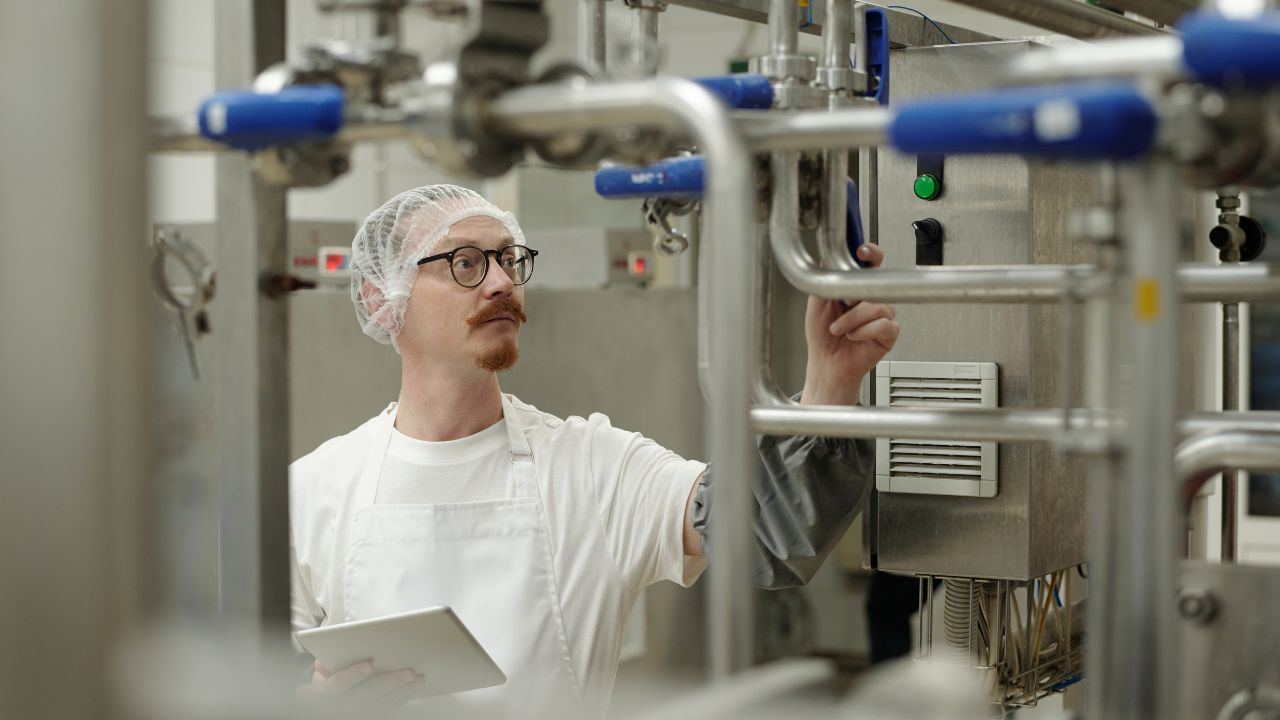
Uptime is the top priority in packaging operations. Downtime costs $5,000–$15,000 per hour. Equipment that breaks down during peak season can trigger emergency air-freight charges of $12,000 or more for a single part. A consistent packaging equipment maintenance checklist prevents both scenarios. A structured approach to calibration, parts replacement, and predictive monitoring keeps defect detection, torque accuracy, and seal quality at rated performance while extending overall equipment life. The payoff is fewer emergency repairs, lower per-unit costs, and production schedules your customers can count on.
A Packaging Equipment Maintenance Checklist Keeps Defect Detection, Torque Accuracy, and Quality Control at Peak Performance
Inspection and sealing systems only hit their rated specs with regular calibration. Vision inspection systems achieve 98.5–99.9% defect detection rates: 99.9% for missing caps, 99.5% for skewed caps, 99.0% for cross-threading, and 98.5% for other defects. AI-based systems reach 99% overall accuracy with a 0.2% final defect rate, catching flaws as small as 3mm at 180 parts per minute. Those numbers hold only with scheduled maintenance. Torque control systems need monitoring within ±5% accuracy across 5–80 inch-pound ranges depending on capper type. SPC integration tracks applied torque against upper and lower control limits to catch drift before it produces defective packaging products. Properly maintained capping machines hold reject rates at 0.5% or less.
Regular Maintenance of Flow Wrap Packaging Machines Prevents Unplanned Downtime and Extends Equipment Life
Sealing jaw components need routine inspection. Modular quick-release designs allow replacement in 3 minutes. Film tracking sensors require periodic calibration to maintain alignment and prevent packaging material waste. Servo-driven components need scheduled lubrication and firmware updates for precision control over forming and heat sealing. Predictive maintenance delivers the biggest gains. SMED principles have cut packaging downtime from 90 minutes to 9 minutes in documented cases. Parts sourcing matters equally. US-based manufacturers ship from domestic warehouses in 2–3 days versus 6–8 weeks from overseas suppliers. For operations running shrink tunnels, steam systems (180–200°F) require moisture management, hot air tunnels (176–392°F) offer simpler upkeep, and infrared tunnels (350–500°F) need careful calibration.
What Makes Wolf-Packing Machine Company Different?
Wolf-Packing Machine Company is a veteran-owned, US-based manufacturer with decades of hands-on packaging experience. Choose us when you need a single engineering partner for custom machine design, installation, operator training, and lifetime support—all from one American-based team. Choose us when fast parts availability matters: domestic warehouse shipping in 2–3 days versus 6–8 weeks from overseas. Choose us when you want proven ROI with equipment that pays for itself within 12 to 24 months. We are not a fit if you need the lowest upfront price regardless of long-term cost, or if your operation requires no ongoing technical support. For every other manufacturer scaling production, reducing labor costs, or automating a manual packaging line, the Wolfpack delivers.
Ready to Upgrade Your Packaging Line? Talk to the Wolfpack.
Wolf-Packing Machine Company builds veteran-engineered horizontal flow wrapping systems, high-performance vffs machines, and complete packaging line solutions for food, supplement, pharmaceutical, and consumer goods manufacturers. Every system comes with custom design, on-site installation, hands-on training, and lifetime US-based support. Whether you need to automate a manual line, increase production capabilities, or reduce labor costs, our engineering team will design a solution that fits your products, your facility, and your growth plan. Schedule a free consultation today.