Key Takeaways
- Automated cap feeding prevents capper starvation, reduces labor, and avoids quality issues like mis-caps and torque defects that come from inconsistent cap delivery.
- Vibratory bowl feeders excel with complex or delicate closures where orientation accuracy and gentle handling matter more than maximum speed.
- Centrifugal sorters and high-capacity elevators lead on raw throughput for high-volume lines, especially with simple, flat caps that orient easily.
- Throughput depends heavily on integration details like chute design, sensors, accumulation control, and reject handling, not just the feeder’s top CPM rating.
- Fast changeovers, sanitation requirements, and a stocked spare-parts kit often determine real-world uptime, so acceptance tests should validate shift-long performance and high first-pass yield.
A cap feeding system delivers closures to your capping machine at the right speed, orientation, and position. Without reliable cap delivery, even the fastest filler becomes a bottleneck. This guide breaks down the three main capping machine feeders—elevator feeders, sorter systems, and bowls for capping—so you can match equipment to your line speed, cap style, and budget. You will learn how each system handles throughput, changeovers, and maintenance. By the end, you will know which configuration fits your production goals and what questions to ask suppliers before purchase.
What Is a Cap Feeding System, and Why Does It Matter for Capping Line Efficiency?
A cap feeding system automates the process of sorting, orienting, and delivering caps to your capping machine. It replaces manual cap placement with consistent, high-speed delivery that keeps pace with upstream fillers. The right system eliminates starved cappers, reduces labor costs, and prevents the quality defects that come from inconsistent cap presentation.
What Problems Does Cap Feeding Solve Compared to Manual Loading?
Manual cap loading cannot keep up with modern filling speeds. Operators fatigue, caps land crooked, and the line stops waiting for the next handful of closures. Whether you run semi-automatic or fully automatic systems, automated cap feeding solves these problems by delivering oriented caps continuously without human intervention.
Cap bowl feeders demonstrate this reliability. Well-maintained systems run 24/7 with failure rates below 1%. This consistency explains why the global cap elevators and sorters market reached USD 1.21–1.47 billion in 2024. Manufacturers are investing in automation because manual loading creates a ceiling on throughput that feeding systems remove entirely.
How Does Poor Cap Delivery Create Mis-Caps, Torque Issues, and Downtime?
Caps that arrive misaligned or at inconsistent rates cause problems downstream. Excessive application torque strips threads or deforms caps. Insufficient downforce allows slippage between the cap and chuck, which scuffs closures and generates particulates.
The industry trend toward lightweighting makes this worse. Thinner caps deform more easily in sorter systems if they arrive out of round or warped. Reducing sorter speed can help, but it cuts throughput. Missing liners in liner caps jam chutes and stop the line. Misaligned capping heads produce loud impact noise, signaling mechanical stress that shortens equipment life.
What Basic Specs Should You Define First?
Define four variables before contacting suppliers. First, establish your cap size range. Systems like the Kinex QuickFeed handle 18mm–125mm diameter caps, but not all feeders cover this span.
Second, calculate your required feed rate. Multiply your line speed by a cap rejection allowance factor: 1.03 for standard caps, or 1.07–1.12 for child-resistant or multi-piece caps. This buffer prevents cap starvation during normal rejects.
Third, identify your cap types. Screw caps, flip-tops, pumps, and trigger sprayers each require different feeder tooling and orientation mechanisms. Choose a system rated for your closure portfolio.
Fourth, specify environmental requirements. Washdown zones need appropriate IP ratings. Cleanroom applications demand stainless steel construction and low-particulate designs.
What Are the Main Cap-Feeding Options for Capping Machines?
Three technologies dominate cap feeding: vibratory bowls, centrifugal sorters, and elevator feeders. Each handles different cap types, speeds, and budgets. Understanding where each excels helps you avoid buying equipment that cannot run your closure portfolio or keep pace with your filler.
What Is a Vibratory Bowl Feeder, and When Is It the Best Choice?
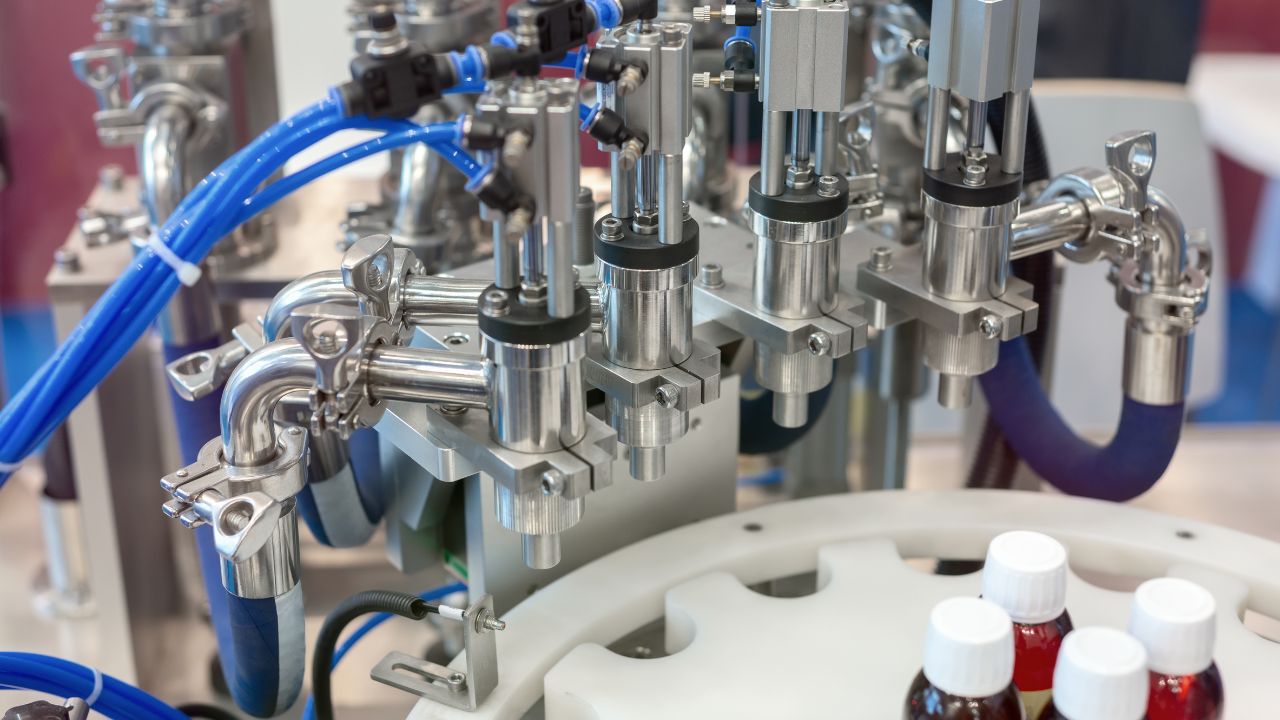
A vibratory bowl feeder uses electromagnetic vibrations to move caps up a spiral track inside the bowl. Tooling features called scallops orient caps with 100% accuracy as they travel. Feed rates range from 10–150 caps per minute, with dual-lane systems reaching 125 PPM. Pharmaceutical lines often run at 30 PPM per track to prioritize gentle handling over speed.
Hopper capacity spans 0.5–6 cubic feet. Changeover times run 2–10 minutes depending on cap complexity. Durable aluminum sound enclosures reduce noise when needed. Dual-lane designs increase capacity without expanding the footprint.
Choose a vibratory bowl if you run complex geometries, small or delicate caps, or irregularly shaped closures—including caps for pre-made pouch packaging lines. Bowls for capping excel where precision matters more than raw speed.
What Is a Cap Sorter, and When Does It Outperform a Bowl?
A centrifugal sorter system spins caps on a rotating disc. Centrifugal force pushes caps outward, where tooling orients them before discharge. Standard sorters exceed 500 CPM. High-speed models like the Zalkin GC Series reach 580–1,500 CPM, delivering 35,000–90,000 caps per hour. The Zalkin Universal Range hits 1,000 CPM (60,000 caps/hour).
Sorters run quieter than vibratory systems. Soundproofing options reduce noise below 85 dB. Gentle handling minimizes scratches and marks on cap surfaces.
Choose a sorter system when you run flat caps with simple geometries—especially caps whose diameter exceeds their height. Avoid sorters for complex closures like trigger sprayers or pumps unless you invest in significant tooling modifications.
What Is an Elevator Cap Feeder, and When Is It the Simplest Upgrade Path?
An elevator feeder uses an inclined modular plastic conveyor to lift caps from a bulk hopper to the required elevation. Incorrectly oriented caps fall back into the silo for another pass. Feed rates reach 2,000 CPM—Zalkin elevators supply 120,000 caps per hour to rotary orienters.
Hopper capacity ranges from 200L to 500L or more, with some systems offering 24 cubic feet. Vertical designs suit small-footprint facilities. Noise levels stay low: under 70 dB for KendStar units, under 80 dB for POSIMAT. Cleated belts handle caps gently to prevent damage.
Choose an elevator feeder when you need a simple, budget-friendly upgrade. Entry-level systems cost $1,600–$5,000. Advanced capping machine feeders like the Kinex QuickFeed run $34,950. Elevators handle screw-on, roll-on, push-in, snap-on, and TOPP wine closures without complex tooling changes.
Which Cap-Feeding Configuration Delivers the Best Throughput for High-Volume Lines?
High-volume lines demand more than fast equipment. They need consistent cap delivery, low jam rates, and smart integration between the feeder and the capper. The best configuration depends on your cap style, target speed, and tolerance for downtime.
How Do Bowls, Sorters, and Elevators Compare on Speed, Consistency, and Jam Rates?
Raw speed favors centrifugal systems. Centrifugal feeders move caps at 3,000 inches per minute versus 600 inches per minute for vibratory feeders. The Krones Capcade sorting elevator reaches 100,000 caps per hour (1,667 CPM) for high-speed applications. Krones inclined sorters hit 60,000 caps per hour (1,000 CPM) for flat caps.
Consistency matters as much as speed. Benchmark First-Pass Yield should reach 99.2% or higher over the first 72 production hours. Systems that miss this target create hidden downtime through rejects and rework.
For lines running above 200 CPM, vibratory feeders often win for plastic and metal caps despite lower peak speeds. Smoother acceleration reduces cap wear and cuts jam frequency. Choose a sorter system when peak throughput matters most. Choose bowls for capping when consistency and gentle handling outweigh raw speed.
What Cap Styles Run Fastest (and Slowest) on Each System?
Cap geometry determines realistic throughput. Flat caps run fastest across all systems. The Sidel Gebo Aidlin 24 outputs 120,000 flat caps per hour with hopper autonomy of 20,000 caps. Sport caps cut that output to 54,000 caps per hour, with autonomy dropping to 10,000 caps.
Compatibility varies by cap feeding system type. Vibratory bowls rate high for screw caps and flip-tops, medium for pumps and trigger sprayers. Centrifugal sorters rate high for screw caps, medium for flip-tops, and low for pumps and trigger sprayers. Elevator feeders rate high for screw caps and flip-tops, medium for pumps and trigger sprayers.
Choose centrifugal sorters for flat, simple closures at maximum speed. Choose vibratory capping machine feeders for mixed portfolios that include complex caps.
What Integration Details Protect Throughput?
The best feeder fails if integration starves the capper or floods the chute. Fiber optic sensors mounted on the cap chute communicate with air nozzles and elevator controls. The system auto-starts when the chute runs low and auto-stops when full. This prevents both starvation and overflow.
Capping inspection systems add another layer. Photoeyes or cameras detect missing, cross-threaded, or loose caps before they reach packaging—whether you're capping bottles, jars, or containers filled by vertical form fill seal systems upstream.
Stainless steel chutes transfer correctly oriented caps to the capper. Proper chute angles prevent cap tumbling. These integration details matter whether you run standalone cappers or cap feeders synchronized with horizontal flow wrapping systems downstream. These details separate high-uptime lines from those that stop every shift for clearing jams.
What Should You Look for in Reliability, Changeovers, and Sanitation?
Equipment that runs fast but jams often costs more than slower, more reliable alternatives. The same applies to changeovers and cleaning. A cap feeding system must balance throughput with practical operation across shifts, SKUs, and sanitation cycles.
What Design Features Reduce Jams and Cap Damage?
Surface materials determine cap wear. Polyurethane coatings like Elscinthane PU provide a softer contact surface that reduces scratches and scuffing. Serrated chucks designed to match cap serrations prevent slippage during application.
Orientation mechanisms prevent misfeeds. Adjustable wipers ensure only properly positioned flat caps proceed down the track. Caps that fail orientation return for another pass rather than jamming the chute.
Handling systems manage stress on equipment. Multi-magnet systems minimize noise and referred vibration in vibratory bowls. Back-pressure relief systems detect jam conditions and respond automatically before operators intervene. Quick-dump options let you empty the hopper fast when switching products.
Choose capping machine feeders with these features when running delicate caps or high-value closures where cosmetic damage means rejection.
How Should You Plan for Fast Changeovers Between Cap Sizes and SKUs?
Changeover time directly affects production availability. Legacy systems required 16–20 hours to switch cap sizes. Modern designs cut this dramatically. Simplimatic Automation reduced changeovers to as little as 15 minutes. Rotary chuck cappers typically change over in 15–20 minutes.
The best elevator feeder designs make changeovers tool-less. The Kinex QuickFeed completes adjustments in minutes rather than hours with almost no tools required. Plug-and-play tooling with quick-release disc segments enables rapid SKU switches.
Choose systems with adjustable tooling and tool-less changeover when your line runs multiple cap sizes or frequent SKU rotations. The upfront cost pays back through higher equipment availability.
What Washdown, Food-Safety, and Contamination-Control Needs Change the Feeder Choice?
Sanitation requirements vary by industry. Food, beverage, and pharmaceutical lines need GMP-compliant construction. Stainless steel (SS304 or SS316) resists corrosion and cleans easily. Contact parts should use stainless steel or food-grade plastics to prevent contamination.
Environmental ratings determine cleaning protocols. Proper IP ratings allow washdown with water and approved chemicals. Waterproof models accept shower rinsing. Non-waterproof units require manual wipe-down, which increases labor and cleaning time.
Filtration protects product integrity. Sidel systems feature 0.01-micron filtration at cap ejection, removing particulates before caps contact containers.
Choose stainless steel bowls for capping and sorter systems with appropriate IP ratings when sanitation frequency or regulatory requirements demand aggressive cleaning cycles.
What Installation and Maintenance Steps Keep Cap Feeders Running Smoothly?
Proper commissioning and consistent maintenance determine whether your cap feeding system hits rated performance or underdelivers from day one. A structured approach to startup checks, routine tasks, and spare parts inventory prevents the small issues that compound into major downtime.
What Startup Checks Prevent Chronic Jams and Misfeeds During Commissioning?
Commissioning shortcuts create problems that persist for years. Start with a visual inspection for loose caps or debris in the hopper and chute. Foreign objects cause jams that operators blame on equipment rather than installation.
Verify lubrication on cap chutes and spindles before the first run. Tighten all mounting components and connections—vibration loosens hardware quickly on new installs. Calibrate torque settings for your specific cap type. Generic settings cause stripped threads or loose closures.
Confirm sensor functionality and positioning. Misaligned sensors trigger false jams or miss real ones. Test air pressure against manufacturer specifications. Most systems require 90–125 PSI at 8 SCFM. Low pressure causes weak orientation and inconsistent feeding.
What Routine Maintenance Should Operators Do Daily and Weekly?
Daily tasks take minutes but prevent hours of downtime. Inspect for loose caps and debris. Lubricate cap chutes and spindles. Tighten any components that vibration has loosened. Verify feed consistency by watching the first few hundred caps run.
Weekly maintenance goes deeper. Check belts and gripper belt assemblies for wear. Clean all sensors to prevent false readings. Calibrate torque settings and inspect pneumatic filters for contamination.
Monthly tasks include full machine cleaning, electrical connection inspection, and complete recalibration with sample bottles. Document all maintenance in a log that tracks patterns over time. This data helps predict failures before they stop production.
What Spare Parts and Wear Items Should You Stock to Avoid Long Stoppages?
Stock critical wear items before you need them. Gripper belts, spindle wheels, cap chutes, and sorting bowl tooling fail predictably under normal use. Waiting for shipment turns a 20-minute repair into a multi-day stoppage.
Benchmark your capping machine feeders against industry standards. Mean Time Between Failures (MTBF) should reach a minimum of 8,000 hours for critical subsystems. Mean Time To Repair (MTTR) should stay under 22 minutes for the top three failure modes. If your equipment misses these benchmarks, increase spare parts inventory or address root causes.
Stock sensors, pneumatic filters, and drive belts based on manufacturer recommendations. For Kinex systems, note the 500-pound machine weight and 100–240 VAC, 50/60Hz single-phase electrical requirements when planning installation and sourcing backup components.
How Should You Choose the Right Cap Feeding System for Your Line and Budget?
Selecting the right cap feeding system requires more than comparing spec sheets. You need verified performance data, realistic cost projections, and acceptance tests that confirm production readiness before final payment.
What Questions Should You Ask Suppliers to Avoid Mismatched Equipment?
Start with feed rate verification. Calculate your required rate: line speed multiplied by cap rejection allowance (1.03 for standard caps, 1.07–1.12 for child-resistant or multi-piece caps) multiplied by a safety margin. Ask suppliers to confirm their equipment sustains this rate, not just peaks at it.
Request documented reliability metrics. Mean Time Between Failures (MTBF), Mean Time To Repair (MTTR), and First-Pass Yield (FPY) data separate proven equipment from marketing claims. Suppliers who cannot provide this data likely have not tracked it.
Confirm compatibility before purchase. Verify mechanical fit, electrical requirements, and control system integration with your existing line. Check the cap diameter range and cap type suitability against your full closure portfolio. Request an on-site demonstration using your actual production caps—not samples that run easier than your real product.
What Total Cost Factors Matter Most?
Initial equipment cost misleads buyers. A mid-range industrial elevator feeder carries a five-year total cost of ownership of around $187,500 when you include maintenance, unplanned downtime, energy consumption, and operator labor. The purchase price represents a fraction of this total.
Equipment costs vary widely. Basic elevator feeders run $1,600–$5,000. Mid-range ZONESUN systems cost $2,230–$2,749. Advanced capping machine feeders like the Kinex QuickFeed reach $34,950. Higher purchase prices often deliver lower TCO through reduced maintenance and downtime.
Factor in facility constraints. Compact vertical sorter system designs suit tight footprints. Evaluate noise levels against safety standards—target below 80 dB to avoid hearing protection requirements and operator fatigue.
What Final Acceptance Tests Confirm Your Feeder Is Truly Production-Ready?
Acceptance testing protects your investment. Require the system to sustain your required feed rate over an entire production shift without operator intervention. Short demos hide problems that emerge during sustained operation.
Verify First-Pass Yield reaches 99.2% or higher over a 72-hour test period. Test cap orientation accuracy across every SKU you plan to run, not just the easiest ones. Confirm seamless integration and synchronized timing with your capping machine under actual production conditions.
Validate that changeover times meet your production schedule. If you switch caps three times per shift, a 20-minute changeover costs an hour daily. Document baseline performance metrics during acceptance testing. These benchmarks let you identify degradation before it causes failures.
Choose suppliers who accept these acceptance criteria. Those who resist likely know their equipment will not pass.
Ready to Upgrade Your Cap Feeding System?
The right cap feeding system eliminates bottlenecks, reduces labor costs, and keeps your capping line running at full speed. Whether you need a vibratory bowl for complex closures, a high-speed sorter for flat caps, or an elevator feeder for simple upgrades, the choice depends on your cap types, line speed, and production goals.
At Wolf Packing, we design and install cap feeding solutions matched to your exact requirements. Our team evaluates your line, recommends the right configuration, and supports you through commissioning and beyond.
Contact us today to discuss your capping line needs and request a custom equipment assessment.