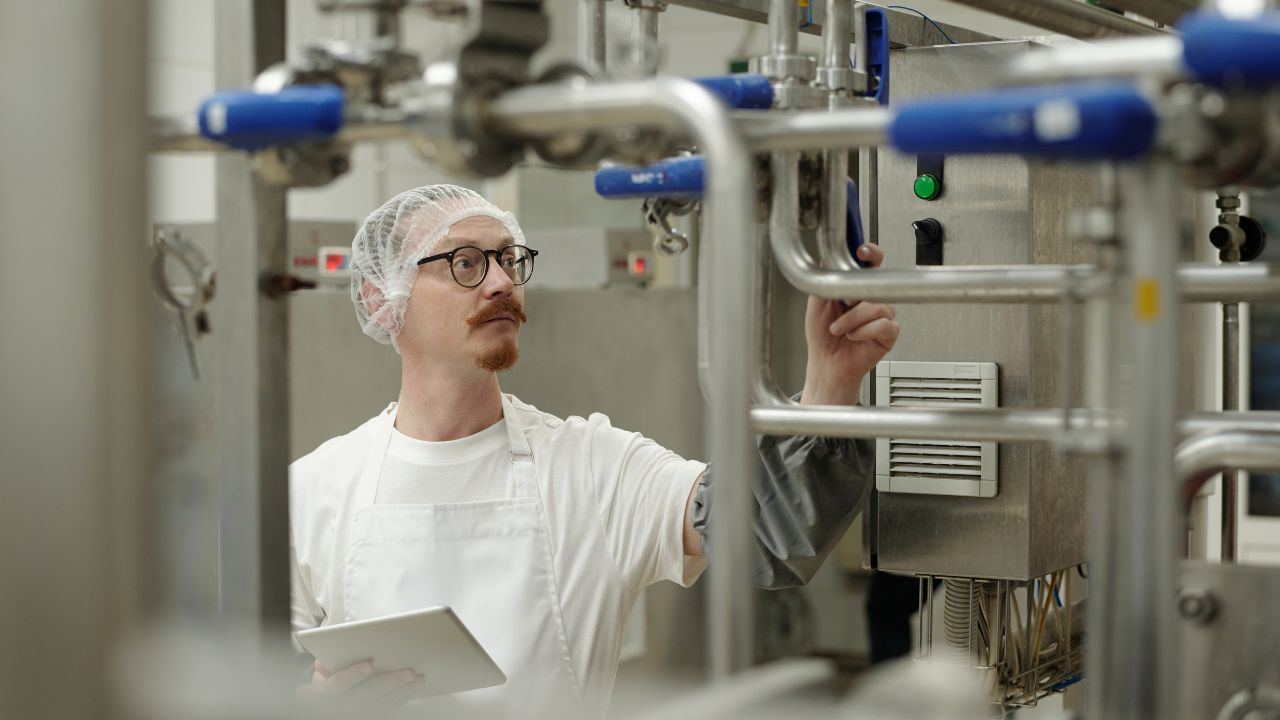
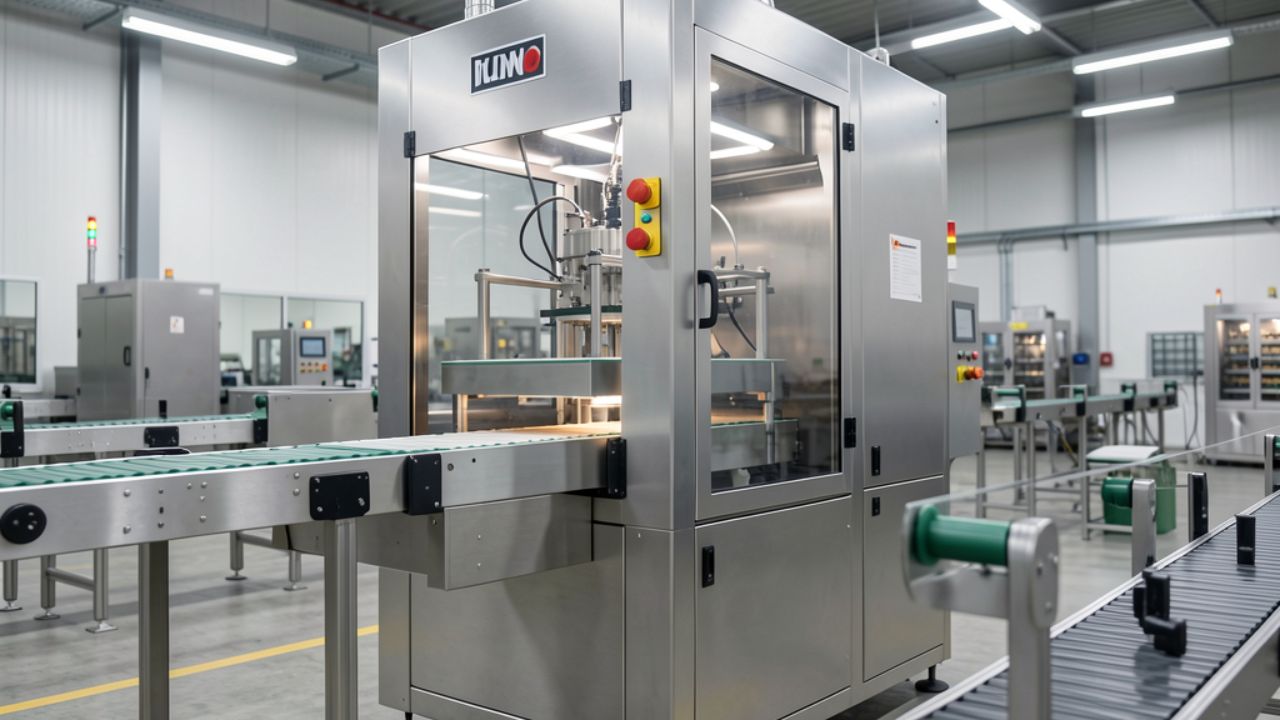
Packaging equipment can be a contamination source because it runs continuously, touches product directly, and can trap residue—making hygienic design and maintenance essential for food safety.
Microbial, allergen, and foreign-material risks require different controls, so food lines should match prevention strategies to product type, moisture level, and shared-equipment changeovers.
Harborage points form in crevices, sharp corners, hollow tubing, and dead zones, so open access, smooth finishes, rounded radii, and polished welds help eliminate hidden contamination risk.
Tool-less disassembly, self-draining/sloped surfaces, and validated cleaning procedures improve sanitation speed and consistency, which matters as much as cleaning frequency for preventing cross-contamination.
Inline detection and verification close the loop—metal/X-ray/vision inspection, plus ATP, allergen swabs, and documented HACCP/SSOP records help confirm controls are working before product ships.
Food safety packaging starts at the machine. Every surface, seal, and component either protects your product or puts it at risk. Contamination prevention isn't just about cleaning schedules—it's built into equipment design, material choices, and operational protocols. Whether you run vertical form fill seal systems, pouch baggers, or flow wrappers, modern food lines increasingly adopt cleanroom design principles and aseptic sealing systems to meet stricter regulatory demands. This guide covers the machine features, sanitation practices, and evaluation criteria that keep contamination off your line. Whether you're buying new sterile equipment or upgrading existing systems, these standards define what safe packaging looks like today.
Why Do Packaging Machines Play Such a Big Role in Food Contamination Risk?
Packaging is the last step before the product reaches consumers. That makes it the final opportunity to introduce contamination—and the last chance to catch it. Machines touch the product directly, run continuously, and accumulate residue. Without proper design and maintenance, packaging equipment becomes a contamination source rather than a safety checkpoint.
What Contamination Risks Show Up Most Often in Packaging Areas?
Three contamination categories dominate packaging operations: microbial, allergen, and foreign material. Each requires different detection methods and prevention strategies.
Microbial risks center on pathogens that thrive in moist, residue-rich environments. Listeria, Salmonella, and E. coli are the primary concerns. These organisms colonize equipment surfaces and transfer to the product during filling, sealing, or conveying.
Allergen cross-contamination occurs when residues from one product transfer to another. Under the FDA's Food Safety Modernization Act, allergen control is a regulatory requirement. Shared equipment running peanut products before tree-nut-free items creates liability without validated cleaning between runs.
Physical contamination includes metal fragments, plastic shards, and dense foreign objects. These enter the product through equipment wear, maintenance debris, or upstream material defects.
Choose microbial-focused controls if you handle wet, refrigerated, or ready-to-eat products. Choose allergen-focused protocols if your facility runs multiple product types on shared equipment. Choose foreign material detection if your line includes metal components subject to wear.
How Do Packaging Machines Create "Harborage Points" and Hidden Risk Zones?
Harborage points are areas where bacteria, allergens, or debris accumulate and resist normal cleaning. Poor equipment design creates these zones. Understanding where they form helps you evaluate new equipment and troubleshoot existing lines.
Sanitary design principles from 3-A Sanitary Standards, Inc., and the European Hygienic Engineering & Design Group target harborage elimination. Their guidelines specify smooth surfaces, rounded corners, and the absence of dead zones.
Common problem areas include surfaces with crevices, sharp internal corners, hollow tubing with open ends, and recessed fasteners. Product collects in these spaces. Moisture lingers. Bacteria multiply. Standard cleaning misses what operators can't see or reach.
Dead zones present a related challenge. These are areas where the product sits stagnant rather than flowing through. Stagnant product degrades and harbors pathogens. When production resumes, degraded material mixes with fresh product.
Choose equipment with open-frame construction if visual inspection and cleaning access matter most. Choose fully enclosed designs with validated CIP systems if you need aseptic sealing for high-risk products.
Why Do Cleaning Speed and Cleaning Consistency Matter as Much as Cleaning Frequency?
Frequent cleaning means nothing if it's incomplete. Speed and consistency determine whether sanitation actually removes contaminants—or just moves them around. Equipment design directly impacts both factors.
Self-draining surfaces prevent liquid accumulation. Flat surfaces pool water. Pooled water harbors bacteria. Angled surfaces shed liquid during washdown and drying. This design feature reduces microbial load without extra labor.
Tool-free disassembly enables faster access to all food-contact parts. When components require wrenches, keys, or special tools, operators skip steps. They clean around parts instead of removing them. Tool-free designs make full disassembly practical during every sanitation cycle.
Consistency depends on repeatability. Documented procedures, visual guides, and verification checkpoints reduce variation between shifts and operators. Cleaning that works on Tuesday but fails on Thursday creates intermittent contamination events—the hardest kind to trace.
Choose tool-free designs if you run multiple sanitation cycles daily. Choose self-draining construction if your facility uses wet washdown methods.
What Food-Safety Standards and Programs Influence Packaging Machine Design?
Equipment design doesn't happen in a vacuum. Regulatory frameworks and industry standards define what food safety packaging must accomplish. These requirements shape machine construction, material selection, and documentation practices. Understanding the standards helps you evaluate equipment and prepare for audits.
What Do HACCP Plans Expect Packaging Equipment to Control or Document?
HACCP plans treat packaging as a critical control point. Your equipment must support hazard prevention and prove it's working through documentation.
Hazard Analysis and Critical Control Points is mandated by regulatory agencies worldwide. The system requires you to identify contamination risks, establish controls, and verify that those controls work. Packaging equipment sits at the center of this framework.
HACCP requires detailed documentation of all procedures, monitoring activities, corrective actions, and verification steps. For packaging equipment, this means records showing sanitation completion, temperature logs for thermally sensitive products, detection system calibration, and reject tracking. Equipment without data outputs or verification capabilities creates compliance gaps that auditors will flag.
Choose equipment with integrated data logging if you need automated HACCP documentation. Choose manual verification systems if your operation is smaller and the audit frequency is lower.
What Hygienic Design Principles Should Your Equipment Follow in Food Environments?
Two organizations define hygienic design for food equipment: 3-A Sanitary Standards, Inc. in North America, and the European Hygienic Engineering & Design Group internationally. Both establish requirements that determine whether equipment belongs in food production.
Core principles include cleanability, proper material selection, and design features that eliminate contamination risks. These aren't suggestions—they're engineering requirements supporting contamination prevention.
Specific design requirements include smooth surfaces that release soil during cleaning, rounded corners with defined radii that prevent residue accumulation, absence of dead zones where product stagnates, and crevice-free construction that eliminates bacterial harborage. Equipment meeting these standards supports cleanroom design principles even in standard production environments. Sterile equipment and aseptic sealing systems follow the same fundamentals with tighter tolerances.
Choose 3-A certified equipment if you sell primarily to North American customers and face USDA or FDA audits. Choose EHEDG-certified equipment if you export to European markets or need to meet EU food safety directives.
What Documentation Should a Supplier Provide to Support Audits and Validation?
Equipment suppliers should deliver audit-ready documentation with every machine. Missing paperwork creates validation delays and audit findings. Request these documents before purchase.
FDA 21 CFR compliance documentation confirms that food contact materials and manufacturing processes meet Good Manufacturing Practice requirements. This covers material composition, surface treatments, and fabrication methods.
NSF/ANSI 51 certification establishes minimum public health and sanitation requirements for materials used in commercial food equipment. This third-party certification tells auditors that independent testing verified material safety. It closes material-related audit questions faster than internal documentation alone.
Cleaning validation documentation demonstrates that sanitation procedures remove contaminants effectively. FSMA requires this validation. Suppliers should provide baseline data showing their equipment can be cleaned to acceptable levels using standard methods.
Choose suppliers who provide complete documentation packages if you face frequent third-party audits. Choose suppliers with NSF/ANSI 51 certification if material traceability is a recurring audit concern.
What Machine Features Most Effectively Reduce Cross-Contamination in Food Lines?
Design details determine contamination risk. The right construction features, materials, and detection systems work together to prevent cross-contamination before it starts. This section covers the specific machine characteristics that support contamination prevention across different food line configurations.
What Hygienic Construction Features Prevent Residue Buildup?
Residue buildup creates harborage points for bacteria and allergens. Hygienic construction eliminates the spaces where contamination hides.
Self-draining designs angle surfaces to prevent pooling. Standing liquid supports microbial growth. Sloped surfaces shed water during washdown and drying cycles, reducing bacterial load without additional labor.
Rounded corners and smooth surface finishes prevent product accumulation. Sharp internal angles trap residue that standard cleaning misses. Proper weld quality matters equally—ground and polished welds eliminate crevices at joints where contamination concentrates.
Crevice-free construction removes product traps entirely. This includes continuous welds rather than spot welds, sanitary fasteners instead of standard bolts, and sealed hollow sections. Every gap is a potential contamination site.
Choose open-frame construction if you need visual inspection access and manual cleaning flexibility. Choose enclosed designs with smooth interior surfaces if your process requires aseptic sealing or cleanroom design standards.
What Tool-Less Disassembly and Quick-Change Parts Make Allergen Changeovers Safer and Faster?
Allergen changeovers require complete cleaning of all product contact surfaces. Tool-free designs make thorough sanitation practical within production schedules.
Tool-free disassembly enables complete access for cleaning validation. When parts require wrenches or special tools, operators take shortcuts. They clean around components instead of removing them. Quick-release mechanisms eliminate this problem by making a full teardown as fast as partial cleaning.
Dedicated equipment may be necessary for preventing cross-contamination between allergenic and non-allergenic products. When cleaning, validation cannot guarantee allergen removal; separate lines eliminate the risk. This decision depends on your product mix and customer requirements.
Environmental monitoring for pathogens verifies the effectiveness of sanitation programs. Swab testing and ATP monitoring confirm that changeover procedures actually remove contaminants. Without verification, you're trusting process—not proof.
Choose tool-free designs if you run multiple allergen changeovers per shift. Choose dedicated equipment if you handle high-risk allergens like peanuts or tree nuts alongside allergen-free products.
What Material Choices Reduce Risk?
Material selection directly impacts cleanability, corrosion resistance, and bacterial adhesion. The right choice depends on your product characteristics and cleaning methods.
Surface finish matters as much as material grade. A roughness average (Ra) of 0.8 µm or lower is required for food contact surfaces to prevent bacterial adhesion and facilitate cleaning. Smoother surfaces release soil more easily and harbor fewer microorganisms.
Seals and gaskets require equal attention. Food-grade elastomers must withstand cleaning chemicals without degradation. Damaged seals create harborage points that compromise otherwise hygienic equipment.
Choose 304 stainless steel if you process dry goods or low-acid products with standard cleaning protocols. Choose 316L stainless steel if your products contain salt, acids, or chlorinated compounds that accelerate corrosion.
What Air, Dust, and Product Containment Features Reduce Spread Between Zones?
Airborne contamination spreads between production zones without physical barriers. Containment features prevent cross-contamination through air movement.
HEPA filtration systems are essential for controlling airborne dust and microorganisms in powder handling environments. These filters capture particles down to 0.3 microns, preventing contamination transfer between processing areas. Cleanroom design principles apply even in standard production facilities handling powders or aerosolized products.
IP ratings determine equipment suitability for different cleaning methods. IP65 is suitable for low-pressure water jets and splash exposure. IP69K is required for high-pressure, high-temperature washdowns common in meat, dairy, and ready-to-eat production. Mismatched ratings lead to electrical failures and contamination ingress.
Physical barriers, including covers, shrouds, and enclosed conveyor sections, prevent product migration between zones. Vacuum systems capture dust at the source before it spreads.
Choose IP65-rated equipment if you use foam cleaning or low-pressure rinse methods. Choose IP69K-rated sterile equipment if your sanitation protocols require high-pressure washdown at temperatures exceeding 80°C.
What Inspection and Detection Features Catch Contamination Before the Product Ships?
Detection systems provide the final barrier against contaminated products reaching consumers. Multiple technologies address different contamination types.
Metal detection and X-ray inspection systems detect and reject products containing metal fragments or dense foreign objects. Metal detectors catch ferrous and non-ferrous metals. X-ray systems identify glass, stone, bone, and dense plastics that metal detectors miss. Both technologies integrate directly into packaging lines for inline rejection.
Vision inspection systems using high-resolution cameras and image processing software inspect for packaging defects, ensure correct labeling, and identify visible contaminants. These systems catch problems that density-based detection cannot see.
Vision-based systems achieve 99.9% to 100% accuracy at speeds up to 100 bags per minute. This performance supports high-speed lines without sacrificing detection reliability.
Choose metal detection if your primary contamination risk comes from equipment wear or maintenance debris. Choose X-ray inspection if you handle products where non-metallic foreign materials pose a significant risk. Choose vision systems if packaging integrity and label accuracy matter alongside contamination detection.
How Should You Set Up Sanitation and Changeover Procedures Around Your Packaging Machines?
Equipment design only reduces risk if sanitation procedures match. The best hygienic construction fails when cleaning is inconsistent or incomplete. This section covers cleaning method selection, verification protocols, and allergen control during product transitions. Effective contamination prevention requires documented procedures that operators can execute reliably every time.
What Cleaning Methods Fit Your Risk Level?
Cleaning intensity must match contamination risk. Under-cleaning leaves residue. Over-cleaning wastes time and may damage equipment. Match your method to your product and regulatory requirements.
Dry cleaning suits low-moisture products where water introduction creates contamination risk. Vacuum, brushing, and compressed air remove loose particles without adding moisture that supports microbial growth.
Wet washdown removes adherent residue that dry methods cannot address. Equipment selection must match cleaning method—IP65-rated equipment handles low-pressure cleaning, while IP69 K-rated equipment withstands high-pressure, high-temperature washdown exceeding 80°C.
Foam and sanitize protocols add chemical action for microbial control. Foam clings to vertical surfaces, extending contact time for better soil removal. Sanitizer application follows rinse to reduce microbial load on clean surfaces.
Clean-in-place systems automate cleaning for enclosed equipment. CIP eliminates manual disassembly while delivering validated cleaning cycles. These systems support aseptic sealing applications where sterile equipment must maintain a contamination-free status.
Cleaning procedures must be validated to ensure they effectively remove food residues and allergens. Validation testing confirms your method works—not just that it was performed.
Choose dry cleaning if you handle powders, grains, or low-moisture products. Choose wet washdown if your products leave adherent residue requiring water and chemical action. Choose CIP if your equipment design supports automated cleaning and you need documented, repeatable sanitation cycles.
What SSOP Checklists and Verification Steps Prevent "Missed Spots" During Cleaning?
Sanitation Standard Operating Procedures convert cleaning requirements into repeatable actions. Without documented steps and verification, cleaning quality varies between operators and shifts.
Checklists break sanitation into discrete tasks with defined sequences. Each step identifies what to clean, what method to use, what chemicals at what concentration, and what contact time applies. Visual aids showing disassembly sequences and critical cleaning points reduce training time and execution errors.
Verification confirms that cleaning actually happened and worked. Pre-operational inspections catch visible residue before production starts. ATP testing provides rapid feedback on organic contamination levels. Allergen swabs confirm removal of specific proteins after changeovers.
Regular environmental monitoring for pathogens is essential to verify sanitation program effectiveness. Scheduled swabbing of equipment surfaces, drains, and environmental sites detects contamination trends before they become outbreaks.
HACCP-compliant documentation must track all verification activities. Records should capture who cleaned, when, what verification was performed, and the results. This documentation supports audit readiness and enables trend analysis for continuous improvement.
Choose visual inspection and ATP verification if you need rapid feedback during production. Choose allergen-specific testing if you run multiple allergen-containing products on shared equipment. Choose environmental pathogen monitoring if you handle ready-to-eat products or operate in refrigerated environments where Listeria risk is elevated.
What Allergen Control Steps Reduce Risk During Product Transitions and Rework Handling?
Allergen cross-contact during changeovers creates consumer safety and regulatory risk. FSMA requires validated allergen controls. Effective procedures address cleaning, verification, and material handling.
Cleaning validation protocols must demonstrate effective allergen removal. Visual cleanliness is insufficient—protein residue invisible to the eye can trigger allergic reactions. Validated methods define cleaning parameters that reliably remove target allergens to safe levels.
Changeover procedures should follow documented protocols with verification steps. Sequencing matters—cleaning before allergen-free products run prevents cross-contact. Written procedures specify disassembly requirements, cleaning methods, rinse protocols, and verification testing before production restart.
Dedicated equipment considerations apply to high-risk allergen products. When validation cannot guarantee allergen removal, dedicated lines eliminate cross-contact. This decision balances equipment investment against product segregation costs and liability exposure.
Rework handling requires equal attention. Allergen-containing rework must be clearly identified, segregated, and used only in compatible products. Mislabeled or mishandled rework introduces allergens into products declared allergen-free.
Choose validated cleaning with verification testing if your production schedule requires shared equipment across allergen categories. Choose dedicated equipment if you handle peanuts, tree nuts, or other high-risk allergens alongside allergen-free products and cannot accept residual cross-contact risk. Choose enhanced rework controls if your process generates significant rework volumes requiring reintroduction to production.
Ready to Build Safer, Cleaner Packaging Lines?
Contamination prevention starts with the right equipment. From sanitary design and material selection to detection systems and validated cleaning protocols, every decision affects product safety and audit readiness. The features covered in this guide—crevice-free construction, proper IP ratings, tool-free disassembly, and integrated inspection—separate equipment that protects your products from equipment that puts them at risk.
At Wolf Packing, we design and build packaging systems that meet the strictest food safety standards. We help you specify equipment matched to your products, your cleaning protocols, and your compliance requirements.
Contact us today to discuss your packaging line requirements and explore solutions built for contamination prevention from the start.
At Wolf-Packing Machine Company, we believe that the key to success is a commitment to excellence in everything we do. That’s why we use only the highest quality materials and the most advanced technology to create packaging machines that are efficient, reliable, and cost-effective.
What’s new at Wolf Packing?
// <#?php
// /**
// * Exclude Current Posts from the query
// */
// add_action( 'pre_get_posts', function ( $query ) {
// // not an admin page and not the main query
// if ( ! is_admin() && ! $query->is_main_query() ) {
// $query->set( 'post__not_in', array( get_the_ID() ) );
// }
// } );
// ?>
From design through testing, installation and beyond, we work tirelessly to ensure your equipment is running at peak performance and maximizing your application. To learn more about our machines, reach out to set up a free consultation with our in-house experts.
From weigh filling, bagging, wrapping and conveying to capping, labeling, cartoning, case/tray forming, packing and palletizing, we offer packaging solutions for a diverse array of applications.