Shrink sleeve technology delivers what flat labels cannot: 360-degree branding, tamper-evident protection, and seamless conformity to any container shape. From bottle labeler machines and sleeving applicators to steam, hot air, and infrared heat shrink tunnels, every component in the process affects output quality and production speed. This guide breaks down how shrink sleeve application works, the critical parameters that drive shrink tunnel performance, key material options, automation advantages, and how to finance packaging equipment for your operation.
Key Takeaways
- Shrink sleeves provide full 360-degree coverage that conforms to complex container shapes, delivering tamper-evident features and maximum shelf appeal in a single application step.
- Material choice drives tunnel selection. PETG offers the highest shrink ratio at 78%, PVC is the most cost-effective, PLA is compostable, and OPS balances clarity with affordability. Each requires matched heat tunnel settings.
- Three tunnel types serve different needs. Steam tunnels deliver the most uniform heat for complex shapes, hot air tunnels offer lower cost and zero moisture risk, and infrared tunnels provide rapid energy-efficient heating for specific applications.
- Packaging automation eliminates variability. Servo-driven tensioners, web guiding systems, and touchscreen recipe storage enable consistent, high-speed shrink sleeve labeling with minimal operator intervention.
- Shrink sleeve systems typically pay for themselves within 18 to 24 months through labor savings, throughput increases, and reduced error rates, with flexible financing and trade-in programs lowering the entry barrier.
What is Shrink Sleeve Technology?
Shrink sleeve technology uses heat-shrinkable plastic sleeves to wrap containers in full-body labels. It delivers 360-degree branding, tamper-evident features, and precise conformity to complex container shapes, all in one step. Four primary sleeve materials serve the market—PVC, PETG, OPS, and PLA—each with distinct shrink ratios, temperature requirements, and cost profiles. Applications span food and beverage, pharmaceuticals, supplements, cosmetics, and consumer goods packaging lines.
Overview of Shrink Sleeve Packaging
Shrink sleeve labeling applies a printed, tubular film around a container. A heat tunnel then shrinks the sleeve tight against the surface. The result is seamless, full-body sleeve labels that cover every contour, including caps, necks, and recessed areas.
Four primary sleeve materials dominate the market: PVC (up to 64% shrink ratio), PETG (up to 78%), OPS (up to 75%), and PLA (up to 72%). All use film gauges between 40 and 70. Material choice affects shrink quality, shelf appeal, and compatibility with your shrinking tunnels. Applications span food and beverage, pharmaceuticals, cosmetics, and consumer goods packaging lines.
How Shrink Sleeve Technology Differs from Other Labeling Methods
Pressure-sensitive and glue-applied labels sit flat on one surface. Heat-shrinkable sleeves wrap the entire container. That distinction matters for product brands running irregular shapes through their production lines.
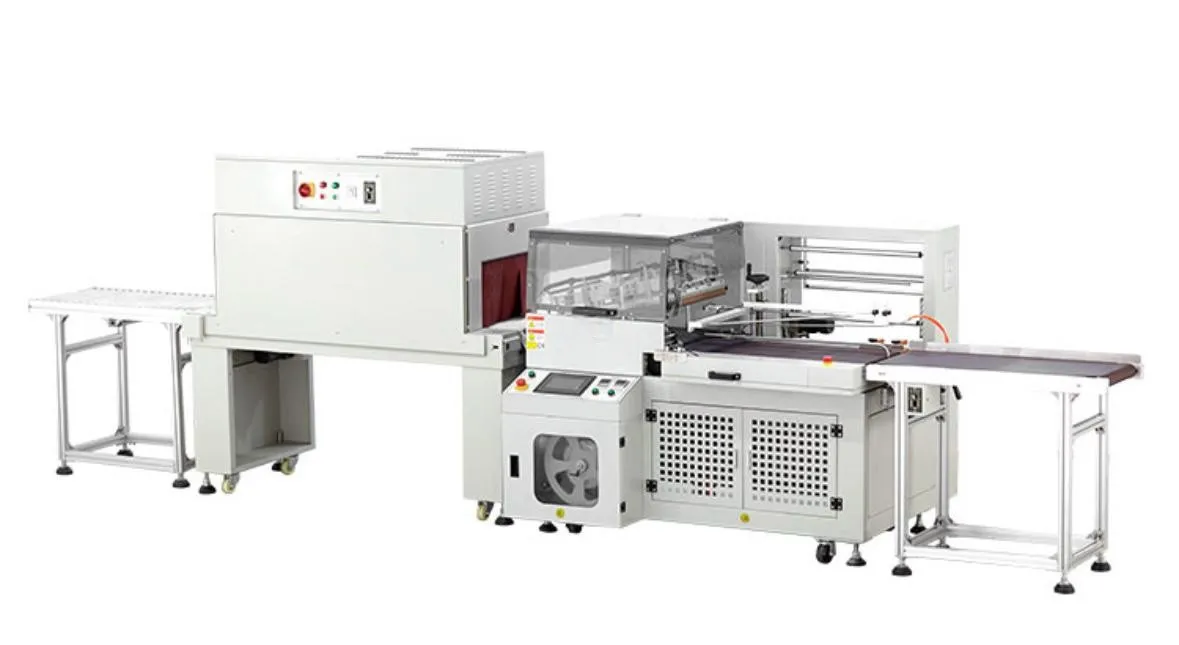
A sleeving machine places the sleeve over the container, and heat shrink tunnels conform it to every curve, taper, and indentation. This label wrapping process eliminates the adhesive failures and wrinkling common with flat labels on non-cylindrical surfaces. Shrink sleeves also deliver built-in tamper-evident seal protection without extra components or secondary operations. The full-surface coverage maximizes label information space, giving brands more room for regulatory copy, promotional messaging, and visual design, which directly boosts shelf appeal in competitive retail environments.
What Are the Critical Parameters That Determine Shrink-Tunnel Performance for Sleeves?
Temperature, speed, and material selection drive shrink-tunnel performance for sleeves. Three tunnel types operate within distinct thermal ranges, and each sleeve material requires specific heat settings to achieve proper conformity. Mismatching these parameters causes uneven shrinkage, distortion, or incomplete adhesion to container shapes. Understanding how heat type, conveyor speed calibration, and sleeve material properties interact is essential for consistent shrink quality across high-speed packaging lines.
Factors Affecting Shrink Tunnel Efficiency
Each heat tunnel type operates within a distinct performance envelope. Steam tunnels run at 180–200°F with high heat transfer efficiency and conveyor speeds up to 70 ft/min. They deliver the most uniform heat shrinking. Hot air tunnels cover a wider range at 176–392°F with medium efficiency at comparable speeds. Infrared tunnels operate hottest at 350–500°F with medium-high efficiency and variable conveyor speeds.
Three critical variables determine output quality on any shrinking tunnel: temperature zone configuration across the tunnel length, conveyor speed calibration matched to sleeve material, and overall tunnel length relative to production line speed. Misaligning any one variable causes uneven shrinkage, distortion, or incomplete conformity to container shapes.
Key Variables in Shrink Sleeve Application
Sleeve materials dictate your heat shrink tunnel settings. PVC initiates shrinking at the lowest temperature, 122–140°F, with a max shrink ratio of 64%. It is cost-effective with good printability and high impact strength. PETG starts higher at 158–176°F but delivers the highest shrink ratio at 78% with superior clarity and scuff resistance. It is also recyclable.
OPS offers up to 75% shrink ratio with high clarity at competitive cost, though it is brittle. PLA reaches 72% and is compostable, making it the sustainable choice for product brands prioritizing environmental positioning, but it is also brittle. Every material choice directly impacts your required tunnel type, temperature zone settings, and maximum line speed. Matching the right heat-shrinkable sleeve to the right shrink tunnel configuration is the foundation of consistent, high-speed application.
How Does Shrink Sleeve Application Work?
Shrink sleeve application works through precision film handling, mandrel placement, and heat activation in a continuous three-stage sequence. The bottle labeler machine unwinds pre-printed sleeves under controlled tension, a sleeving station places each sleeve over the container, and a shrink tunnel applies heat to conform the film. Each stage requires precise mechanical control to maintain shrink quality at production speed across packaging lines.
The Role of the Bottle Labeler Machine in Shrink Sleeve Technology
The process starts with a reel of pre-printed, pre-cut heat-shrinkable sleeves loaded onto an unwinding system. The bottle labeler machine feeds this film through a controlled path where tension management is critical. Too much tension stretches or tears the film. Too little causes sagging and misalignment.
Advanced shrink sleeve applicators use digital, servo-driven tensioners paired with automatic web guiding systems. These components maintain consistent sleeve placement at high-speed application rates. Low-friction rollers and guides transport the film without surface damage, preserving print quality and label information integrity throughout the run.
The Sleeve Application Process
At the sleeving machine station, the flat tubular film opens via one of two methods. Mandrel application uses a shaped form to expand the sleeve mechanically. Compressed air expansion uses controlled air jets to open the film. Both methods drape the heat-shrinkable sleeve loosely around the container body.
The container then moves into the shrink tunnel, where controlled heat activates the sleeve material and conforms it tightly to the container shape. The entire sequence, from unwind to shrink, runs continuously on integrated packaging lines.
Several manufacturers specialize in this equipment. Axon offers steam, convection, and radiant tunnel models. Karlville produces the Tornado hot air tunnel. BW Integrated Systems provides Sleevit applicators and tunnels. PDC International focuses on shrink labeling and tamper-evident banding. AFM offers the LX-150 mandrel-style system. Quadrel produces the SL200 and SL90 shrink sleeve applicators. Each serves different production line configurations and container shapes.
What Are the Benefits of Packaging Automation in Shrink Sleeve Technology?
Packaging automation reduces labor, increases speed, and improves shrink quality across production lines. Automated shrink sleeve systems replace operator-dependent processes with servo-driven precision that delivers repeatable results at high throughput. The benefits extend beyond speed to include consistent sleeve placement, faster changeovers between SKUs, and reduced error rates. Choose automation when manual processes cannot maintain quality at your required line speed or when labor availability limits production capacity.
How Packaging Automation Streamlines Production
Automated shrink sleeve applicators eliminate the variability of manual sleeve placement. Servo-driven tensioners and web guiding systems deliver consistent film handling across entire production runs without operator adjustment. This repeatability holds even on complex container shapes that would challenge manual methods.
Touchscreen recipe storage lets operators recall SKU-specific settings instantly, cutting changeover time between product brands. When a line runs 50 or more SKU configurations, this capability directly protects uptime. Automated packaging lines also scale to high-speed application rates while maintaining shrink quality, something manual and semi-manual processes cannot sustain.
Advantages of Semi-Automatic Vs. Fully Automatic Shrink Sleeve Systems
Semi-automatic systems work for lower-volume operations or businesses stepping into packaging automation for the first time. They require more operator involvement but carry lower capital costs, making them practical for contract packaging operations or growing product brands testing new container formats.
Fully automatic systems handle high-speed, continuous production runs with minimal operator intervention. These integrated packaging lines pair the sleeving machine with heat shrink tunnels in a single workflow. Hot air tunnels match well with high-speed lines and moisture-sensitive products. PETG and PVC are the most reliable sleeve materials at these speeds. Steam tunnels excel on long continuous runs and complex container shapes where uniform heat shrinking is critical.
For budget-conscious applications, pairing PVC film with a hot air tunnel delivers the lowest combined infrastructure and operational costs. This configuration covers tamper-evident seal requirements and standard shrink labeling needs without the complexity of steam infrastructure.
What Are the Key Features of a Shrink Tunnel?
Heat type, efficiency, and application match define the key features of a shrink tunnel. Every tunnel balances heat uniformity, operating cost, and product compatibility. Steam, hot air, and infrared tunnels each deliver different performance profiles suited to specific container shapes, sleeve materials, and production volumes. Choosing the right tunnel determines whether your packaging line achieves consistent shrink quality or struggles with distortion and rework.
Design and Functionality of Shrink Tunnels
Steam tunnels deliver the most uniform, gentle heat shrinking. They offer precise temperature and humidity control, making them ideal for complex container shapes and heat-sensitive products. The tradeoff is higher infrastructure costs, including boiler systems and drainage, plus a risk of moisture contamination on sensitive packaging lines.
Hot air tunnels circulate heated air through fans. They are more energy-efficient than steam, require simpler maintenance, and introduce zero moisture. These shrinking tunnels handle most standard shrink sleeve labeling applications well but are less effective on highly irregular container geometries.
Infrared tunnels use direct radiant heating for rapid, energy-efficient heat activation. They carry minimal moisture risk but are limited to specific applications and demand careful calibration to avoid uneven shrink quality.
How to Choose the Right Shrink Tunnel for Your Packaging Needs
Choose a steam tunnel if you run complex container shapes, steam tunnels paired with PETG or OPS deliver consistent shrinkage on irregular surfaces. Choose a hot air or steam tunnel when you need high-speed application with PETG or PVC sleeve materials.
Choose a steam tunnel with PETG or PLA when your products are heat-sensitive and deformation risk is a concern. Choose a hot air or infrared heat tunnel when your products are moisture-sensitive and cannot tolerate water exposure.
Choose a hot air tunnel with PVC film when budget is the primary constraint. Choose PETG when you need recyclability or PLA when compostability is required—both work with any tunnel type. Choose hot air with PVC for tamper-evident banding applications where predictable shrinkage and cost-effectiveness matter most.
How Do You Finance Packaging Equipment for Shrink Sleeve Technology?
You finance packaging equipment for shrink sleeve technology through flexible payment options, trade-in programs, and ROI-based planning. Capital equipment purchases require justification, and the range of system configurations means costs vary significantly from semi-automatic applicators to fully integrated high-speed lines. Understanding total system costs, ongoing material expenses, and available financing paths makes shrink sleeve technology accessible for growing operations at every stage.
The Costs of Shrink Sleeve Systems
Total investment scales with system complexity. A semi-automatic shrink sleeve applicator with a basic heat tunnel costs significantly less than a fully integrated, high-speed packaging line with conveyors, controls, and automation. The full system cost includes the sleeving machine, shrink tunnel, conveyor integration, control systems, and installation.
Tunnel-type drives are a major cost variable. Steam tunnels require boiler infrastructure, piping, and drainage, adding substantial capital and maintenance overhead. Hot air and infrared heat shrink tunnels carry lower infrastructure and operational costs. Ongoing expenses include sleeve materials, where PVC is the most cost-effective film option. PETG and PLA carry premium pricing tied to their recyclability and compostability benefits for product brands with sustainability requirements.
Options for Financing Your Packaging Equipment
Several paths exist to finance packaging equipment without a single large capital outlay. Flexible financing options spread costs over time, making packaging automation achievable for businesses that cannot absorb full upfront investment. Trade-in programs offer credit toward new shrink sleeve applicators and tunnels when replacing outdated equipment, reducing net capital requirements.
ROI modeling is the foundation of any internal business case. Calculate projected labor savings, throughput increases from high-speed application, and reduced error rates from automated sleeve placement. Packaging automation investments typically reach payback within 18 to 24 months, a timeline that supports capital expenditure approval from finance teams and leadership.
Phased implementation offers another path. Start with core components, such as an applicator and heat tunnel, and expand your packaging lines over time as production volume and revenue grow.
Why Manufacturers Choose Wolf-Packing for Shrink Sleeve Systems
Choose Wolf-Packing if you need a U.S.-based engineering partner who designs, builds, and supports your shrink sleeve system from consultation through lifetime service. Choose Wolf-Packing when fast parts availability, same-timezone support, and veteran-engineered reliability matter more than lowest initial price. We are not the right fit if you need offshore commodity equipment at the lowest possible cost or if your operation does not require ongoing technical support and custom engineering.
Ready to Add Shrink Sleeve Technology to Your Production Line?
Wolf-Packing Machine Company helps manufacturers integrate shrink sleeve labeling systems built for speed, precision, and long-term reliability. As a veteran-owned, American-made packaging equipment provider, we offer complete solutions from shrink sleeve applicators and heat shrink tunnels to servo-controlled vertical form fill seal machine systems and full packaging line integration, backed by lifetime U.S.-based support. Whether you need a semi-automatic setup or a fully automated high-speed line, our engineering team designs systems matched to your products, containers, and growth goals. Contact us today for a free consultation.