Key Takeaways
- Speed scales with price: Entry-level machines (<$50k) deliver 10–40 PPM, mid-range systems ($50k–$150k) reach 15–70 PPM, and high-end automatic pouch fillers (>$150k) exceed 60–150+ PPM—match capacity to current and projected volume.
- ROI arrives quickly: Semi-automatic systems pay for themselves in 12–24 months, fully automatic in 18–36 months, with labor savings alone justifying automation within 2–3 years for growing operations.
- Labor costs drop dramatically: Real-world automation reduced staffing from three full-time employees to one part-time operator, saving over $100,000 annually while increasing speed 800% from manual operations.
- Precision reduces waste: Multi-head weigher integration delivers ±0.5 gram fill accuracy, significantly cutting product giveaway—critical for high-value products where every gram over target weight erodes profit margins.
- Integration maximizes efficiency: Higher-priced machines offer advanced integration with weighing systems, specialty applicators, and touchscreen controls that reduce changeover time, minimize contamination risk, and maintain packaging efficiency at maximum speeds.
Premade pouch filling machine speeds vary dramatically across price points—from 10 pouches per minute for entry-level systems to 150+ for high-end automatic pouch fillers. Understanding this relationship between packaging machine price and performance prevents costly mismatches between equipment capabilities and production requirements. First-time packaging machine buyers often focus solely on initial cost, overlooking how pouch filling speed impacts labor needs, throughput capacity, and return on investment.
This guide explains what speeds to expect at each price tier, how automation level affects packaging efficiency, and which features justify premium investments. Whether you're a startup evaluating semi-automatic vs. fully automatic systems or a growing manufacturer scaling production, matching machine speed to volume requirements determines profitability and competitive positioning.
What Are Premade Pouch Filling Machines and Why Are They Important?
Pre-made pouch filling machines automate the process of filling and sealing pre-formed pouches, delivering premium packaging with minimal labor. These systems handle everything from coffee and snacks to specialty products, offering superior shelf appeal compared to form-fill-seal alternatives.
Definition and Function of Premade Pouch Filling Machines
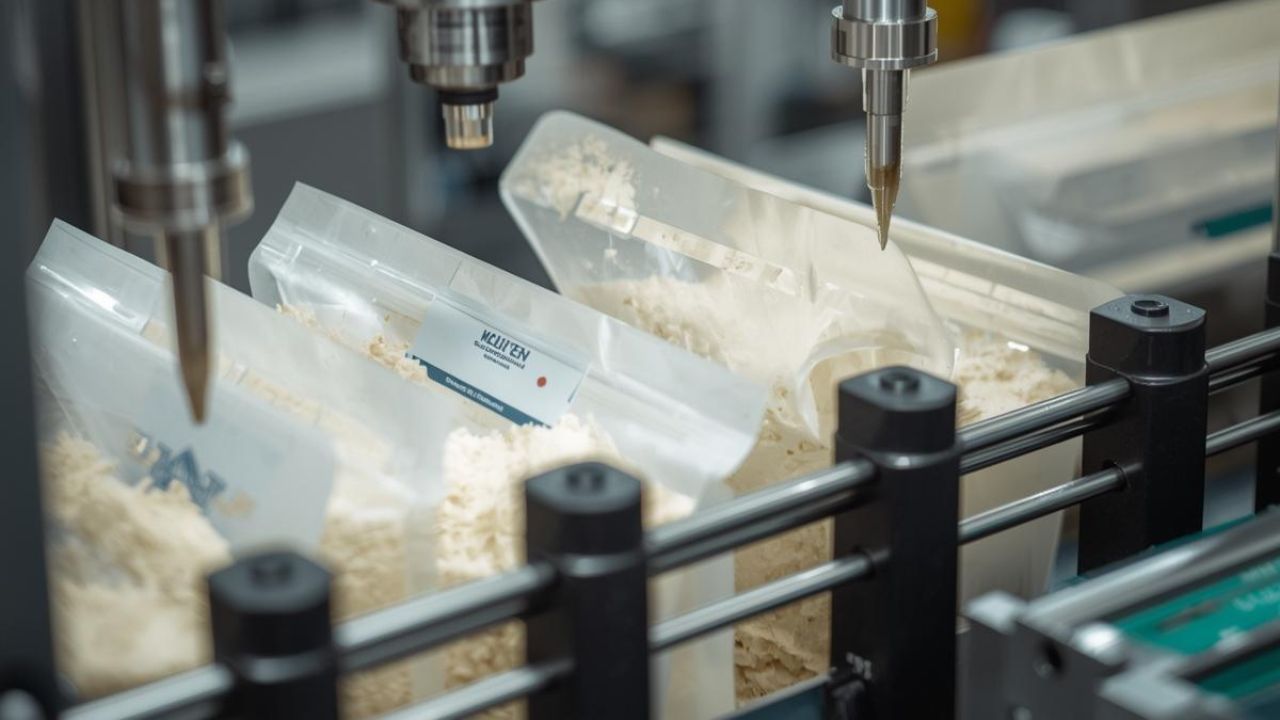
Premade pouch filling machines fill and seal pre-formed pouches rather than creating packages from roll stock. This approach delivers excellent product visibility and premium appearance—critical advantages for retail products competing for shelf space. The machines handle bag loading, filling, and sealing in a continuous process.
The trade-off is cost. Premade pouches run $0.08–$0.25 per package compared to $0.02–$0.08 for flow wrap or $0.03–$0.10 for vertical form-fill-seal (VFFS). Material efficiency is moderate since pouches arrive pre-formed. For brands prioritizing premium presentation and packaging efficiency, automatic pouch fillers justify the higher per-unit cost through enhanced consumer appeal and reduced labor requirements.
Types of Products and Pouches They Handle
These machines support multiple pouch formats: stand-up pouches, flat pouches, gusseted pouches, zipper-top pouches, and spouted pouches. Entry-level systems handle basic stand-up and flat pouches. Mid-range machines add zipper and spouted capabilities. High-end systems accommodate all pouch types including custom designs.
Common applications include coffee beans, snacks, specialty foods, and premium products where presentation drives purchasing decisions. Pouch versatility makes these machines valuable for first-time packaging machine buyers seeking flexibility across product lines without investing in multiple dedicated systems.
How Do Premade Pouch Filling Machines Work?
Pre-made pouch filling machines use rotary or inline designs to move pouches through sequential stations—loading, filling, sealing, and discharge. Understanding the workflow helps buyers evaluate packaging efficiency and integration requirements.
Basic Operation of Premade Pouch Filling Machines
Most automatic pouch fillers use a rotary design with multiple stations operating simultaneously. Pouches load at the first station, rotate through filling positions, then move to sealing and discharge. Multi-station rotary designs maximize pouch filling speed by processing multiple packages concurrently—one pouch fills while another seals and a third loads.
Integrated filling and sealing capabilities eliminate transfer steps between operations. This continuous process reduces handling, minimizes contamination risk, and increases throughput compared to standalone filling equipment.
Integration with Other Packaging Equipment
Multi-head weighers integrate with premade pouch fillers to deliver ±0.5 gram fill accuracy—critical for high-value products and regulatory compliance. This precision reduces product giveaway and ensures consistent package weights across production runs.
Specialty applications require additional integration. Coffee roasters use one-way degassing valve applicators that allow freshly roasted beans to be packaged immediately while releasing CO2. This integration preserves freshness and extends shelf life without requiring a resting period before packaging.
Automation Vs. Manual Operation
The semi-automatic vs. fully automatic decision directly impacts pouch-filling speed and labor costs. Manual filling delivers 5–20 units per hour with 1–3 operators at $500–$5,000 initial investment. Semi-automatic systems jump to 30–60 units per minute with 1–2 operators for $10,000–$50,000. Fully automatic systems reach 60–150+ units per minute with minimal supervision at $50,000–$300,000+.
A specialty coffee roaster demonstrated the impact: manual operations achieved 5 pouches per minute versus 45 per minute automated—an 800% increase. Fully automatic pouch fillers maintain high accuracy through consistent mechanical operation, eliminating human error while reducing operating costs to maintenance only.
How Much Speed Should I Expect from Premade Pouch Filling Machines at Different Price Points?
Packaging machine price directly correlates with pouch filling speed and automation level. Entry-level systems start at 10–40 pouches per minute (PPM), mid-range machines reach 15–70 PPM, and high-end automatic pouch fillers exceed 150 PPM.
Entry-Level Machines: Speed and Efficiency
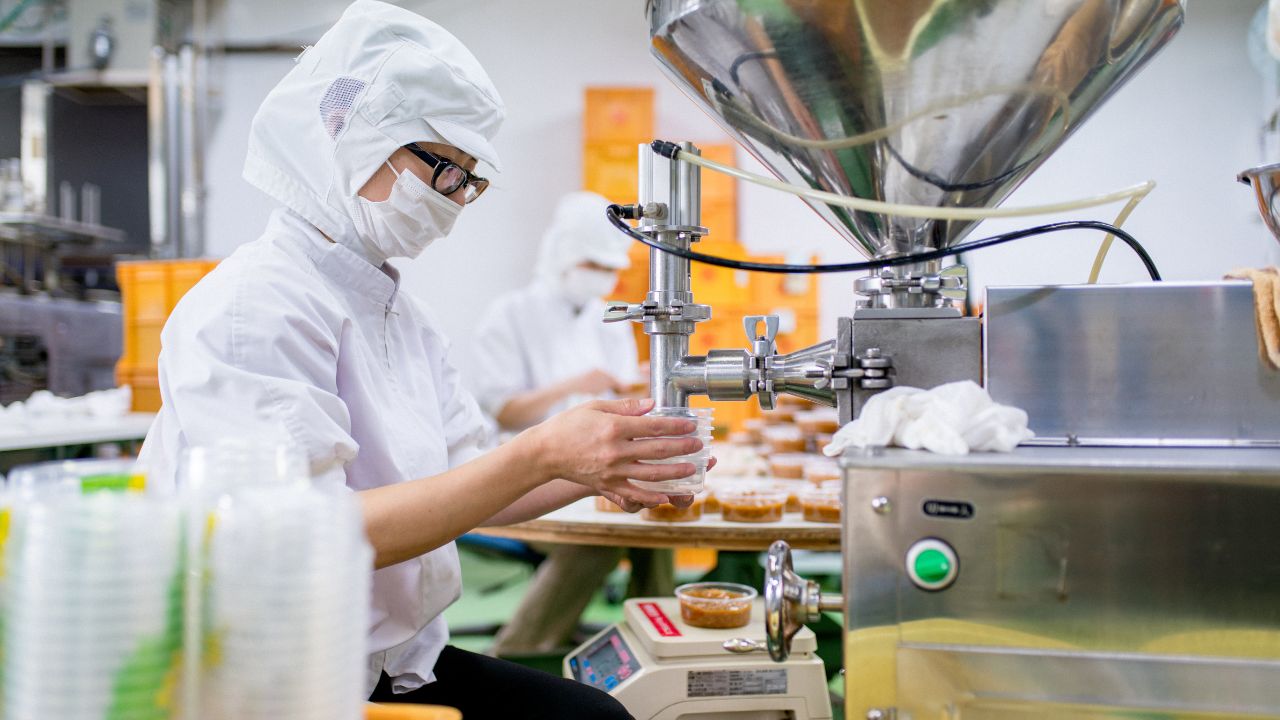
Entry-level premade pouch filling machines under $50,000 deliver 10–40 PPM with semi-automatic operation. These systems handle basic stand-up and flat pouches, requiring operator involvement for pouch loading and some process steps.
Best suited for startups, small businesses, and R&D applications, entry-level machines excel at artisanal products and small-batch production. The lower packaging machine price makes them accessible for first-time packaging machine buyers testing market demand before scaling to higher-speed equipment.
Mid-Range Machines: Improved Speed and Features
Mid-range systems priced $50,000–$150,000 offer 15–70 PPM with increased automation and versatility. These machines handle stand-up, zipper, and spouted pouches—critical for growing businesses managing multiple SKUs.
A specialty coffee roaster invested $120,000 in a mid-range system achieving 45 PPM, replacing manual operations at 5 PPM. The result: 800% speed increase and over $100,000 in annual labor savings. Semi-automatic systems in this range typically deliver ROI within 12–24 months for businesses scaling production.
High-End Machines: Maximum Speed and Precision
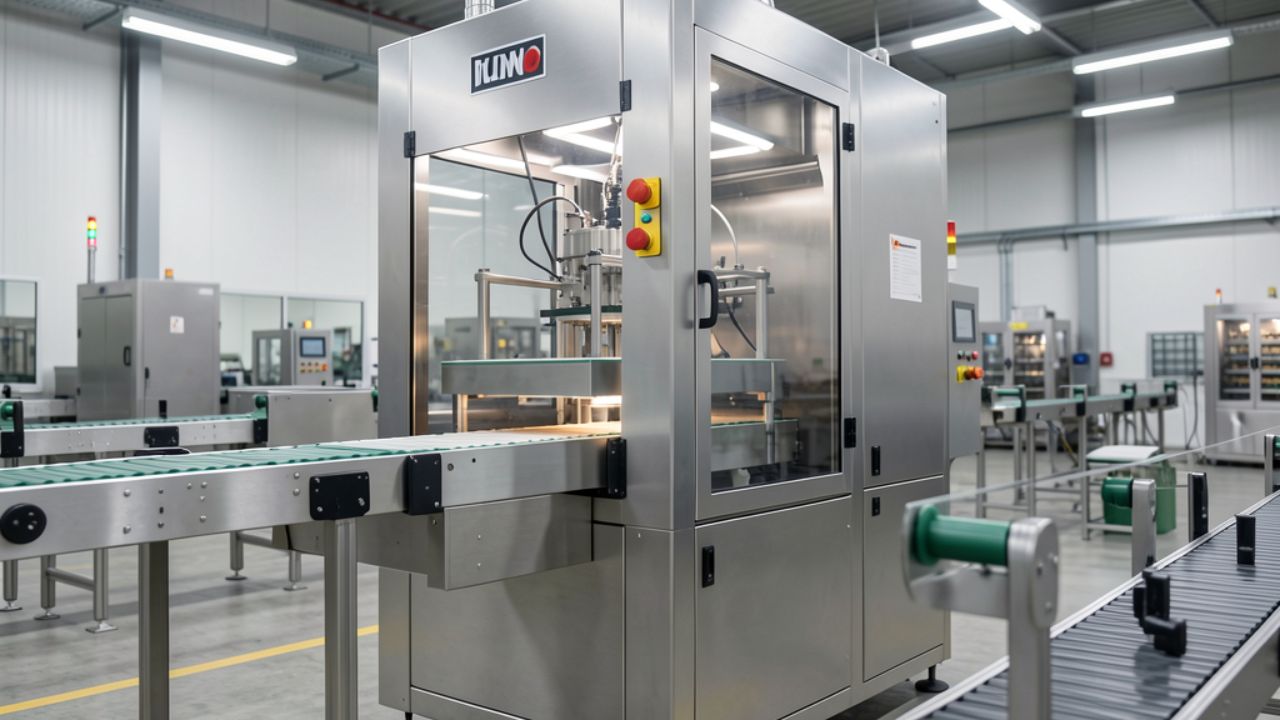
High-end automatic pouch fillers exceed $150,000 (up to $400,000+) and deliver 60–150+ PPM with fully automatic operation. These systems handle all pouch types including custom designs, requiring minimal operator supervision (0–1 operators).
Large-scale manufacturers justify the investment through maximum packaging efficiency and throughput. Fully automatic systems achieve ROI in 18–36 months for high-volume operations, with industry-standard premade pouch machines ranging 30–150 packages per minute. The semi-automatic vs. fully automatic decision hinges on production volume—high-end machines become cost-effective above consistent daily outputs of 20,000+ pouches.
How Do Different Price Points Affect Packaging Efficiency and Cost?
Higher packaging machine prices buy faster speeds, but the relationship between speed and total cost isn't linear. Understanding hourly production capacity and ROI timelines reveals when premium automatic pouch fillers justify their investment.
Impact of Machine Speed on Overall Production
Pouch filling speed translates directly to daily capacity. Entry-level machines (10–40 PPM) produce 600–2,400 pouches per hour. Mid-range systems (15–70 PPM) deliver 900–4,200 per hour. High-end automatic pouch fillers (60–150+ PPM) reach 3,600–9,000+ per hour.
Premade pouch machines (30–150 packages/min industry standard) occupy the middle ground among packaging formats. VFFS systems run 30–200 bags/min with similar speeds but lower material costs. Flow wrap dominates speed at 50–1,500 packs/min—2–10x faster than premade pouches. Rigid containers lag at 20–100 packages/min. Premade pouches sacrifice raw speed for premium presentation and packaging efficiency through simplified operation.
Cost Vs. ROI: Investing in Speed
A specialty coffee roaster's investment demonstrates automation economics: upgrading from manual (5 PPM) to a mid-range automatic system (45 PPM) delivered 800% speed improvement. Labor dropped from three full-time employees to one part-time operator, saving over $100,000 annually. Multi-head weigher integration added ±0.5 gram fill accuracy, reducing product giveaway.
Hidden manual packaging costs compound beyond obvious labor: workers' compensation claims, quality inconsistencies, product damage, training expenses, break/shift change downtime, excessive floor space, and supervision overhead. Semi-automatic systems achieve ROI in 12–24 months; fully automatic in 18–36 months. For first-time packaging machine buyers, labor savings alone justify automation within 2–3 years—before factoring in accuracy improvements and throughput gains.
First-Time Packaging Machine Buyer Guide: What Should You Consider?
First-time packaging machine buyers should match packaging machine price to production requirements, not aspirations. The right system balances current volume needs against growth trajectory and product complexity.
Key Factors When Choosing a Premade Pouch Filling Machine
Production volume drives the decision. Entry-level machines under $50,000 suit startups and small businesses with limited daily output. Mid-range systems ($50,000–$150,000) serve growing businesses with multiple SKUs requiring flexibility. High-end automatic pouch fillers above $150,000 target large-scale manufacturers with consistent high-volume requirements.
Calculate daily, weekly, and annual capacity needs before evaluating packaging machine price. Count your SKUs—multiple products demand flexible systems with quick changeovers. Assess floor space and integration requirements: standalone machines need less room, but integrated lines with multi-head weighers and specialty applicators maximize packaging efficiency at the cost of footprint.
Additional Features to Look for Based on Price
Entry-level features include basic stand-up and flat pouch compatibility with manual or semi-automatic operation. These systems handle simple packaging tasks but require operator involvement at multiple process steps.
Mid-range machines add stand-up, zipper, and spouted pouch compatibility with mid-level automation and multi-head weigher integration capability. High-end systems handle all pouch types including custom designs, operate with 0–1 operators, and integrate advanced components like degassing valves. Recipe management systems store multiple product parameters for quick changeovers—standard on high-end machines, optional on mid-range. Tool-less changeover capabilities and HMI touchscreen controls appear on automated systems, reducing setup time and operator training. The semi-automatic vs. fully automatic choice determines whether these advanced features justify their cost.
How Do Premade Pouch Filling Machines Improve Packaging Efficiency?
Premade pouch filling machines improve packaging efficiency through three mechanisms: faster pouch filling speed, precision that reduces waste, and labor reduction. Automated systems deliver consistent results that manual operations cannot match.
Speed, Precision, and Consistency
Multi-head weigher integration delivers ±0.5 gram fill accuracy—critical for expensive products and regulatory compliance. A real-world specialty coffee operation demonstrated 800% speed improvement from manual (5 PPM) to automated (45 PPM) while maintaining precision. Significantly reduced product giveaway translates directly to profit: every gram over target weight is lost margin.
Automatic pouch fillers maintain high accuracy even at maximum speeds. Consistent package weights and seal quality eliminate the variability inherent in manual filling. This consistency protects brand reputation and reduces customer complaints about under-filled or poorly sealed packages.
Reducing Labor Costs and Waste
Labor costs drop dramatically with automation. The coffee roaster case study reduced packaging labor from three full-time employees to one part-time operator—over $100,000 in annual savings. Accurate filling (±0.5g) cuts product giveaway, a hidden cost that compounds across millions of packages.
Operational benefits extend beyond direct labor. The best packaging machines eliminate human error in filling, reduce product damage from handling, and minimize quality inconsistencies. Lower training costs and reduced supervision requirements add to total packaging efficiency gains. For businesses evaluating semi-automatic vs. fully automatic systems, labor reduction often provides the clearest ROI justification.
Integrating with Other Equipment to Maximize Efficiency
Integration capabilities scale with packaging machine price. Entry-level systems offer limited integration; high-end automatic pouch fillers accommodate full production line connectivity. Multi-head weighers provide ±0.5 gram accuracy across all speed ranges. Specialty applicators like one-way degassing valves enable immediate packaging of freshly roasted coffee beans, preserving freshness and extending shelf life.
Seamless integration reduces handling steps and contamination points—each transfer or manual intervention introduces quality risk. Integrated systems process pouches from loading through discharge without human contact, maximizing packaging efficiency while maintaining food safety standards. System-level thinking separates efficient operations from those that treat each piece of equipment as isolated.
What Speed and Efficiency Can You Expect from Premade Pouch Filling Machines at Different Price Points?
Pouch filling speed correlates directly with packaging machine price, but total value depends on matching automation level to production requirements. The right choice balances initial investment against labor savings, waste reduction, and throughput gains.
Summary of Speed Expectations at Different Price Ranges
Entry-level machines under $50,000 deliver 10–40 PPM with semi-automatic operation—adequate for startups testing market demand. Mid-range systems ($50,000–$150,000) reach 15–70 PPM with mid-level automation, serving growing businesses with multiple SKUs. High-end automatic pouch fillers above $150,000 exceed 60–150+ PPM with fully automatic operation for large-scale manufacturers.
Industry standard premade pouch systems range 30–150 packages per minute. Real-world performance validates manufacturer claims: a $120,000 mid-range machine achieved 45 PPM for specialty coffee packaging, delivering the speed and packaging efficiency needed for retail distribution.
Key Considerations for Making the Right Choice
ROI expectations guide investment decisions. Semi-automatic systems pay for themselves in 12–24 months; fully automatic in 18–36 months. Labor savings potential exceeds $100,000 annually with automation. Productivity gains reach 800% from manual to automated operations, while multi-head weigher integration delivers ±0.5 gram fill accuracy.
First-time packaging machine buyers should evaluate total cost of ownership, not just initial investment. Factor in labor cost savings, waste reduction through accurate filling, and quality improvements from consistent operation. The semi-automatic vs. fully automatic decision hinges on production volume and growth projections—undercapacity limits revenue, overcapacity wastes capital.
Find Your Perfect Pouch Filling Solution with Wolf-Packing Machine Company
Choosing the right premade pouch filling machine requires expert guidance tailored to your production goals. Wolf-Packing Machine Company specializes in matching businesses with optimal packaging solutions—from entry-level systems for startups to high-speed automatic pouch fillers for large-scale manufacturers. Their technical team evaluates your product specifications, volume requirements, and budget constraints to recommend equipment that delivers measurable ROI.
Don't waste capital on underpowered machines or overpay for unnecessary capacity. Contact Wolf-Packing Machine Company today for a free consultation and production analysis. Their packaging engineers will demonstrate how the right pouch filling speed and automation level transforms your packaging efficiency, reduces labor costs, and positions your operation for profitable growth.