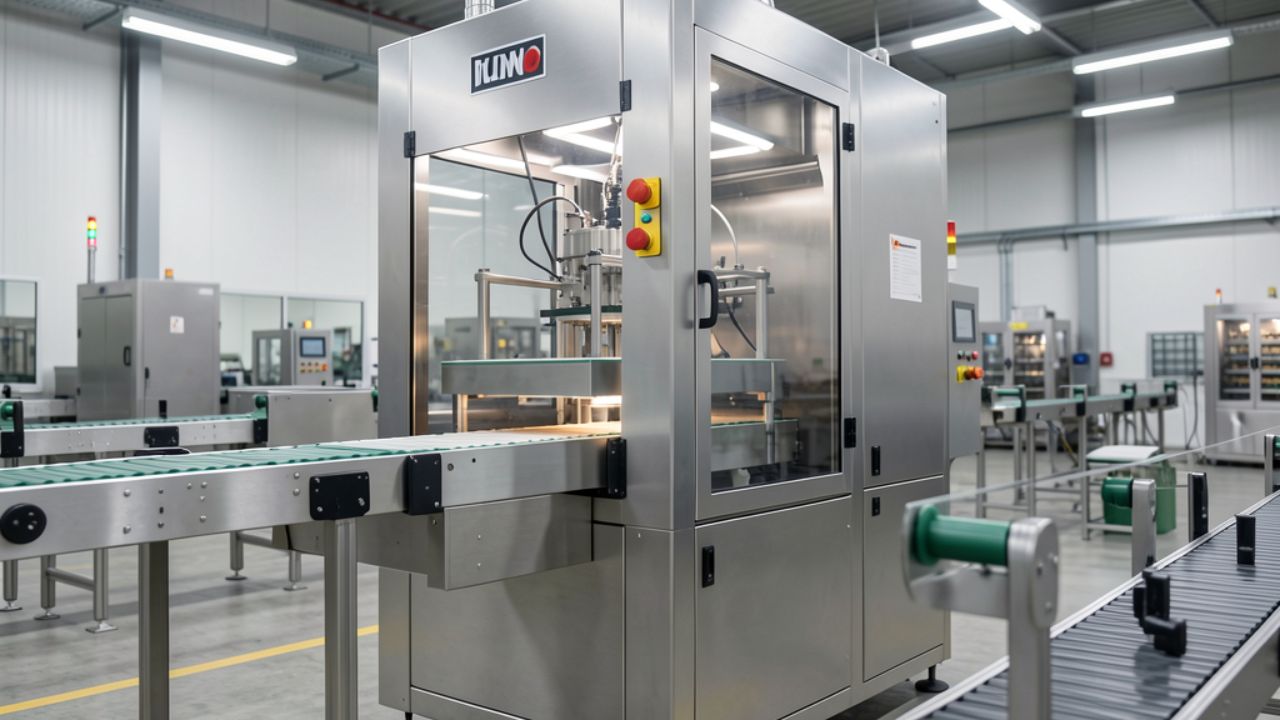
Packaging machine warranties provide financial protection against equipment failures and manufacturing defects. Understanding warranty structures prevents unexpected repair costs and ensures access to parts and service when production lines face disruptions. Strong warranties demonstrate manufacturer confidence in equipment reliability while providing recourse when systems fail.
Selecting equipment with appropriate warranty coverage requires evaluating terms against production requirements and risk tolerance. Manufacturers offering comprehensive warranties typically maintain better quality control. Buyers who ignore warranty details often face disputes over coverage scope, expensive mandatory service programs, or insufficient parts availability that extends downtime.
Key Takeaways
- Comprehensive packaging machine warranties should cover parts, labor, and guarantee response times under 48 hours to minimize production interruptions.
- Restrictive exclusions, vague defect definitions, and mandatory service programs are major red flags that increase ownership costs.
- Critical spare parts like seals, belts, and sensors must remain available for 15+ years to support the equipment lifespan of 10-25 years.
- Warranty needs vary by machine type, with automatic fillers and FFS systems requiring more comprehensive coverage due to complexity and investment size.
- Preventive maintenance programs extend equipment life by 40-60% and save up to 32% annually compared to reactive maintenance approaches.
What Are Packaging Machine Warranties and Why Do They Matter?
A packaging machine warranty is a manufacturer's commitment to repair or replace defective components within specified timeframes. These agreements define what failures qualify for coverage, response obligations, and customer responsibilities for maintaining validity. Strong warranties reduce total ownership costs by transferring failure risks to manufacturers during critical production periods.
Warranties matter because packaging equipment represents significant capital investments ranging from $5,000 for basic labelers to $300,000+ for premium cartoners. Production downtime from equipment failures can cost thousands per hour in lost output and labor. Comprehensive warranty coverage ensures manufacturers absorb repair expenses while maintaining production schedules through rapid response commitments.
What Does a Typical Warranty Cover?
Standard packaging machine warranties cover manufacturing defects in materials and workmanship for one to three years. Coverage typically includes replacement parts and labor for repairing failures caused by design flaws or production errors. Most warranties exclude consumables like seals and belts while protecting structural components, motors, and control systems.
Equipment coverage extends to electrical components, pneumatic systems, and mechanical assemblies when failures occur under normal operating conditions. Manufacturers usually provide on-site service for repairs requiring technical expertise beyond basic troubleshooting. Response commitments specify how quickly service technicians will arrive after warranty claims are submitted.
How Do Warranty Terms Impact Equipment Reliability?
Longer warranty periods indicate manufacturer confidence in equipment durability and signal higher reliability standards. Companies offering extended coverage invest more in quality control, component selection, and testing protocols, resulting in fewer field failures and reduced service calls.
Warranty terms influence maintenance practices by establishing baseline performance expectations. Equipment covered by comprehensive warranties typically features better engineering tolerances and premium components. Manufacturers supporting warranties with rapid response times and preventive maintenance for packaging equipment demonstrate commitment to customer uptime.
What Are Common Exclusions and Limitations?
Overly restrictive exclusions eliminate coverage for failures that manufacturers should reasonably prevent through proper engineering. Some warranties exclude entire component categories like seals, sensors, or pneumatic valves that commonly fail during normal operation, transferring predictable maintenance costs to buyers while limiting manufacturer accountability.
Vague warranty language regarding defects creates disputes over whether failures result from manufacturing issues or operational factors. Mandatory expensive service programs for warranty validity force buyers into long-term contracts exceeding competitive maintenance rates, effectively reducing warranty value by adding hidden costs.
How Can You Identify Valuable Warranty Features?
Valuable warranty features include comprehensive parts coverage, labor reimbursement, and guaranteed response times under 48 hours for critical failures. Look for warranties covering major assemblies like drives, controls, and structural frames without excessive exclusions. Service agreements should specify clear processes for claim submission, approval timelines, and repair completion standards.
Additional value comes from warranties extending beyond standard one-year terms without requiring expensive service contracts. Premium coverage includes provisions for loaner equipment during extended repairs and priority parts access. Manufacturers demonstrating commitment through these features typically maintain higher customer satisfaction and lower total ownership costs.
Which Coverage Aspects Are Essential?
Essential coverage aspects include both parts and labor for repairs, addressing manufacturing defects. Parts coverage without labor reimbursement leaves buyers paying technician rates that quickly exceed component costs. Labor coverage should extend to on-site repairs when equipment cannot be returned to service facilities without production disruptions.
Coverage must protect critical systems like servo drives, programmable logic controllers, and precision filling components prone to expensive failures. Warranties excluding these high-value components provide minimal protection against the costliest repair scenarios. Response time guarantees ensure manufacturers prioritize service requests and minimize production interruptions.
How Important Is Response Time and On-Site Service?
Response time commitments determine how quickly production resumes after equipment failures. Guaranteed response times of 24-48 hours limit downtime costs and demonstrate manufacturer investment in service infrastructure. On-site service eliminates shipping delays and enables technicians to diagnose problems within actual production environments.
On-site service becomes critical for equipment exceeding 500 pounds or integrated into continuous production lines. Remote troubleshooting capabilities reduce service call frequency by resolving minor issues through phone support and video diagnostics. Manufacturers maintaining regional service networks provide faster response times than companies relying on centralized technician dispatch.
Why Is Spare Parts Availability Critical?
Spare parts availability determines whether equipment can return to service within hours or face weeks of downtime awaiting components. Manufacturers guaranteeing parts availability for 15+ years support equipment through typical 10-25 year lifespans without forced obsolescence. Critical spare parts like seals, belts, and sensors must remain accessible at reasonable prices throughout ownership periods.
Parts inventory systems enabling next-day shipping minimize emergency situations where production stops awaiting replacements. Manufacturers supporting quality and parts availability through domestic warehousing reduce lead times compared to overseas sourcing. Proprietary components requiring manufacturer-only sourcing create dependency risks when suppliers exit markets or discontinue product lines.
What Are the Red Flags in Packaging Machine Warranties?
Red flags include coverage exclusions exceeding industry norms and ambiguous language enabling claim denials. Warranties requiring buyers to use manufacturer-provided maintenance services at above-market rates indicate profit-focused service strategies, increasing total ownership costs while limiting buyer flexibility.
Additional warning signs include warranties voiding upon minor policy violations or failing to specify response time commitments. Manufacturers unwilling to guarantee service timelines often lack infrastructure supporting rapid repairs. Buyers should scrutinize warranties, excluding common failure modes or require extensive documentation for routine claims.
How Do Restrictive Exclusions Affect Claims?
Restrictive exclusions limit warranty value by eliminating coverage for components experiencing predictable failure patterns during normal operation. Exclusions targeting wear items like seals and belts are reasonable, but excluding sensors or pneumatic components transfers high costs. These limitations enable manufacturers to deny claims for failures they should have prevented through better component selection.
Claim denials based on restrictive exclusions force buyers to pay repair costs during warranty periods meant for protection. Manufacturers using exclusions to avoid warranty obligations damage customer relationships and increase buyer risk. Equipment requiring frequent repairs for "excluded" components indicates design weaknesses that manufacturers should address.
Why Avoid Ambiguous Warranty Language?
Ambiguous warranty language creates interpretation disputes, enabling manufacturers to deny legitimate claims based on subjective criteria. Terms like "normal wear" or "proper operation" lack specific definitions, allowing manufacturers to argue failures fall outside coverage. These vague standards shift determination power to manufacturers whose financial interests favor claim rejections.
Clear warranty language specifies exact conditions triggering coverage and establishes objective standards for evaluating failures. Ambiguous terms regarding installation requirements or operating conditions enable manufacturers to blame customers for equipment defects. Buyers should request clarification on vague provisions before purchase and compare language across multiple manufacturers.
What Are the Risks of Mandatory Expensive Service Programs?
Mandatory expensive service programs tie warranty validity to purchasing overpriced maintenance contracts exceeding competitive market rates. These requirements force buyers into long-term service agreements costing thousands annually, regardless of actual maintenance needs, prioritizing service revenue over customer flexibility and transparent pricing.
Service program mandates prevent buyers from using qualified third-party technicians or in-house maintenance teams for routine tasks. This dependency increases total ownership costs while limiting operational control. Warranties conditioning coverage on service purchases effectively reduce stated warranty periods by adding hidden cost requirements.
How Do Warranty Considerations Vary by Packaging Machine Type?
Warranty considerations vary by packaging machine type based on complexity, investment size, and component failure risks. Higher-value equipment like automatic fillers and form-fill-seal systems requires more comprehensive coverage protecting significant capital investments. Simpler machines like manual labelers need basic warranties covering manufacturing defects without extensive service commitments.
Equipment complexity influences warranty structure, with multi-component systems needing coverage for electronic controls, mechanical assemblies, and pneumatic elements. Manufacturers should provide specialized support for advanced features like servo drives and programmable controllers. Warranty evaluation must account for machine-specific failure patterns and repair cost profiles.
What Warranty Needs Are Unique to Filling Machines?
Filling machines require warranties protecting precision dosing components, flow meters, and product contact surfaces from premature failure. Manual filling machines priced at $1,000-$5,000 need basic coverage protecting against manufacturing defects in pumps and valves. Semi-automatic filling machines ranging from $5,000-$20,000 require warranties covering motors, controls, and conveyor systems.
Automatic filling machines representing investments of $20,000-$100,000+ demand comprehensive warranties, including servo drive protection and electronic component coverage. These systems offering up to 3,000+ units per hour throughput justify extended warranty periods given their production criticality. Filling machines representing 19.8% of market share require warranties supporting continuous operation without expensive unplanned maintenance interruptions.
How Are FFS Machines' Warranty Requirements Different?
Form-fill-seal machines need warranties protecting film handling systems, servo controls, and sealing components from operational failures. Budget FFS machines priced at $2,750-$10,000 should include basic coverage for mechanical assemblies and temperature controllers. Mid-range FFS machines costing $25,000-$100,000 require comprehensive warranties covering programmable logic controllers and multi-head weighing systems.
Premium FFS machines representing $100,000-$250,000+ investments demand extended warranties with guaranteed response times under 24 hours. Vertical form-fill-seal systems operating at 30-300+ bags per minute cannot tolerate extended downtime from warranty disputes. FFS machines growing at 6.6% annually require the manufacturer's commitment to parts availability, supporting rapid market adoption.
What to Expect in Warranties for Cartoning and Labeling Machines?
Cartoning machines priced from $25,000 for budget models to $300,000+ for premium systems require warranties protecting motion control systems and carton handling mechanisms. Mid-range cartoning machines costing $50,000-$150,000 need coverage for pneumatic systems, photoelectric sensors, and hot-melt glue applicators. Premium cartoners demand comprehensive warranties, including preventive maintenance support and priority parts access.
Labeling machines ranging from $5,000 for budget models to $50,000 for mid-range systems need warranties covering label dispensing accuracy and sensor reliability. Choosing the right bottle labeling machine requires evaluating warranty coverage for stepper motors and photoelectric positioning systems. These machines, maintaining ±1mm placement accuracy, depend on warranties protecting precision components.
How Does Warranty Fit into Equipment Maintenance and Lifespan?
Warranty coverage provides financial protection during initial operation, while maintenance strategies determine long-term equipment performance. Equipment lifespan, ranging from 10 to 25 years, depends on preventive maintenance programs executed beyond warranty expiration. Warranties complement maintenance by covering manufacturing defects, while scheduled service prevents premature component wear.
Total ownership cost calculations must account for both warranty protection and ongoing maintenance investments. Budgeting 2-5% of equipment value annually for maintenance ensures adequate resources for sustaining performance after warranties expire. Warranty periods represent only a fraction of total ownership duration, making maintenance quality more significant for long-term reliability.
What Roles Do Preventive and Predictive Maintenance Play?
Preventive maintenance involves scheduled inspections, cleaning, lubrication, and parts replacement at regular intervals to prevent unexpected failures. This proactive approach can extend equipment life by 40-60% compared to reactive maintenance strategies. Preventive maintenance saves up to 32% annually compared to emergency repairs by addressing issues before catastrophic failures.
Predictive maintenance uses data tracking of vibration, temperature, and electrical resistance to predict failures before they occur. Predictive maintenance for packaging equipment enables targeted interventions, reducing unnecessary parts replacement. Modern systems integrate IoT sensors, providing real-time performance data that optimizes maintenance timing.
How Can Warranties Complement Operator Training and Spare Parts Management?
Warranties protect against manufacturing defects while proper operator training prevents damage from incorrect equipment usage. Incorrect operator usage can significantly reduce equipment lifespan by causing premature wear and catastrophic failures. Training programs teaching proper operation, changeover procedures, and basic troubleshooting reduce warranty claims and maintenance frequency.
Spare parts management ensures critical components remain available when preventive maintenance schedules require replacement. Packaging equipment maintenance checklists identify parts requiring regular replacement and establish inventory requirements. Warranties become more valuable when supported by accessible spare parts and trained personnel capable of rapid component installation.
What Warranty Features Support Long-Term Equipment Performance?
Warranty features supporting long-term performance include manufacturer training programs teaching maintenance best practices and troubleshooting protocols. Extended warranty options enable buyers to maintain coverage beyond standard periods for critical production equipment. Service agreements bundling maintenance contracts with warranty extensions provide predictable cost structures for budgeting.
Manufacturers offering lifetime technical support demonstrate commitment to equipment performance beyond contractual warranty obligations. Parts availability guarantees extending 15+ years ensure equipment remains serviceable throughout typical operational lifespans. These features distinguish manufacturers focused on customer success from companies prioritizing short-term equipment sales.
What Decision-Making Framework Should Guide Warranty Evaluation?
Warranty evaluation requires a systematic assessment of coverage scope, manufacturer support capabilities, and cost-benefit analysis for extended protection. Buyers should compare warranty terms across multiple manufacturers while evaluating total ownership costs, including maintenance and downtime risks. Decision frameworks must balance upfront equipment costs against long-term warranty value and manufacturer service quality.
Effective evaluation considers production requirements, financial resources, and risk tolerance when selecting appropriate coverage levels. Critical equipment supporting continuous production justifies premium warranties with rapid response guarantees and comprehensive coverage. Non-critical systems may require only basic warranty protection when backup equipment or manual processes provide production continuity.
How to Align Warranty Terms with Production Needs and Budget?
Production needs determine minimum acceptable warranty coverage based on equipment criticality and downtime cost implications. Total Cost of Ownership calculations, including purchase price, installation, training, and disposal costs, establish budget parameters. Budgeting 2-5% of equipment value annually for maintenance ensures adequate resources for sustaining performance beyond warranty periods.
ROI timelines of 18-24 months require equipment delivering immediate production improvements, justifying capital investments. Including 20% overhead capacity for future growth prevents premature equipment obsolescence as production volumes increase. Warranty terms should protect investments throughout payback periods when equipment failures create maximum financial impact.
What Vendor Qualities Affect Warranty Reliability?
Vendor experience and technical support capabilities determine whether warranty commitments translate into actual service delivery during equipment failures. Evaluating packaging machine companies requires assessing service network coverage, parts inventory systems, and technician training standards. Established manufacturers with domestic support infrastructure provide faster response times than importers relying on overseas technical resources.
Brand reputation reflects historical performance in honoring warranty obligations and maintaining customer relationships. Buyers should request references from similar industries and verify warranty claim experiences with existing customers. Vendors demonstrating transparent warranty terms and responsive service cultures deliver better long-term value than lowest-price competitors.
When Is Investing in Extended Warranties Justified?
Extended warranties become justified when equipment represents mission-critical production assets lacking backup capacity or manual alternatives. High-throughput systems processing thousands of units hourly cannot tolerate extended downtime from warranty coverage gaps. Extended coverage maintains protection during years two through five when equipment transitions from new to established operational status.
Cost-benefit analysis comparing extended warranty pricing against potential repair expenses determines financial justification. Equipment with complex electronic controls or precision mechanical systems faces higher failure risks, justifying extended protection. Buyers lacking in-house technical expertise benefit more from extended warranties than companies maintaining skilled maintenance teams.
What Are the Buyer Priorities and Market Drivers Behind Warranty Choices?
Buyer priorities influence warranty expectations, with 70.5% prioritizing cost reduction through operational efficiency improvements. Quality concerns drive 57.4% of buyers seeking equipment delivering consistent performance without frequent repairs. Productivity and reliability each influence 57.4% and 49.6% of buyers, respectively, creating demand for warranties supporting continuous operation.
Warranty terms directly impact 35.0% of buyer decisions, while brand reputation influences 28.5% of purchase choices. These priorities reflect the buyer's focus on minimizing total ownership costs through equipment reliability and manufacturer support quality. Market drivers, including automation adoption and production scaling requirements, increase warranty importance for protecting capital investments.
How Do Cost, Quality, and Reliability Influence Warranty Importance?
Cost reduction priorities make comprehensive warranties valuable by eliminating unexpected repair expenses during production scaling. Quality requirements demand warranties protecting against manufacturing defects that compromise packaging consistency and product protection. Reliability concerns drive buyers toward manufacturers offering extended coverage, demonstrating confidence in equipment durability.
Productivity targets requiring maximum uptime make response time guarantees and on-site service critical warranty features. Cost avoidance strategies benefit from warranties transferring failure risks to manufacturers during equipment payback periods. These priorities create demand for transparent warranty terms, enabling accurate total ownership cost projections.
How Do Consumer Preferences and Regional Trends Affect Warranty Demands?
Consumer preferences for sustainable packaging drive equipment investments in advanced systems requiring comprehensive warranty protection. The global packaging machinery market, valued at $59.3 billion in 2024, is expected to grow to $80.96 billion by 2030. Asia Pacific holding 38.3% market share drives demand for warranties, supporting rapid production scaling and equipment reliability.
Europe's 26.9% market share emphasizes sustainability compliance, creating warranty requirements for specialized equipment capabilities. North America's 23.8% market share prioritizes automation and smart packaging technologies, requiring advanced warranty coverage. Regional variations in service infrastructure availability influence buyer preferences for domestic manufacturers providing local support networks.
What Role Does Brand Reputation Play in Warranty Trust?
Brand reputation influences warranty trust by establishing expectations for manufacturer responsiveness and claim approval fairness. Established manufacturers demonstrate historical commitment to honoring warranties and maintaining customer relationships beyond contractual minimums. Buyers prioritizing brand reputation at 28.5% recognize that warranty value depends on the manufacturer's willingness to fulfill service obligations.
Strong reputations reduce perceived risk when evaluating warranty terms because established companies protect brand equity through customer satisfaction. New market entrants often offer aggressive warranty terms to overcome reputation disadvantages and build customer confidence. Brand reputation ultimately determines whether written warranty commitments translate into actual service delivery.
Packaging Machine Warranties: Strategies for Maximizing Value and Avoiding Pitfalls
Maximizing warranty value requires systematic evaluation of coverage terms, manufacturer service capabilities, and alignment with production requirements. Buyers should prioritize warranties offering comprehensive parts and labor coverage with guaranteed response times under 48 hours. Avoiding pitfalls means rejecting warranties with excessive exclusions, ambiguous language, or mandatory service programs increasing ownership costs.
Successful warranty strategies balance upfront equipment costs against long-term protection value and total ownership expenses throughout 10-25 year lifespans. Manufacturers demonstrating commitment through extended parts availability, domestic service networks, and transparent warranty terms deliver superior value. These approaches protect capital investments while supporting production goals and maintaining operational flexibility.
Wolf-Packing Machine Company provides veteran-owned expertise supporting packaging operations through comprehensive warranty coverage and lifetime technical support. Our U.S.-based service team ensures rapid response times and maintains domestic parts inventory for immediate component availability. We stand behind our equipment through transparent warranty terms protecting your investment without hidden costs or restrictive exclusions.
Get a Warranty That Actually Protects You, Backed by Wolf Packing
At Wolf Packing, our equipment comes with straightforward warranty coverage, U.S.-based parts inventory, and lifetime technical support from the engineers who built your system. No ambiguous exclusions. No mandatory overpriced service contracts. No waiting weeks for parts from overseas. Just a veteran-owned team that answers the phone and shows up when it counts. Ready to invest in packaging equipment you can count on? Request a free consultation with Wolf Packing today.