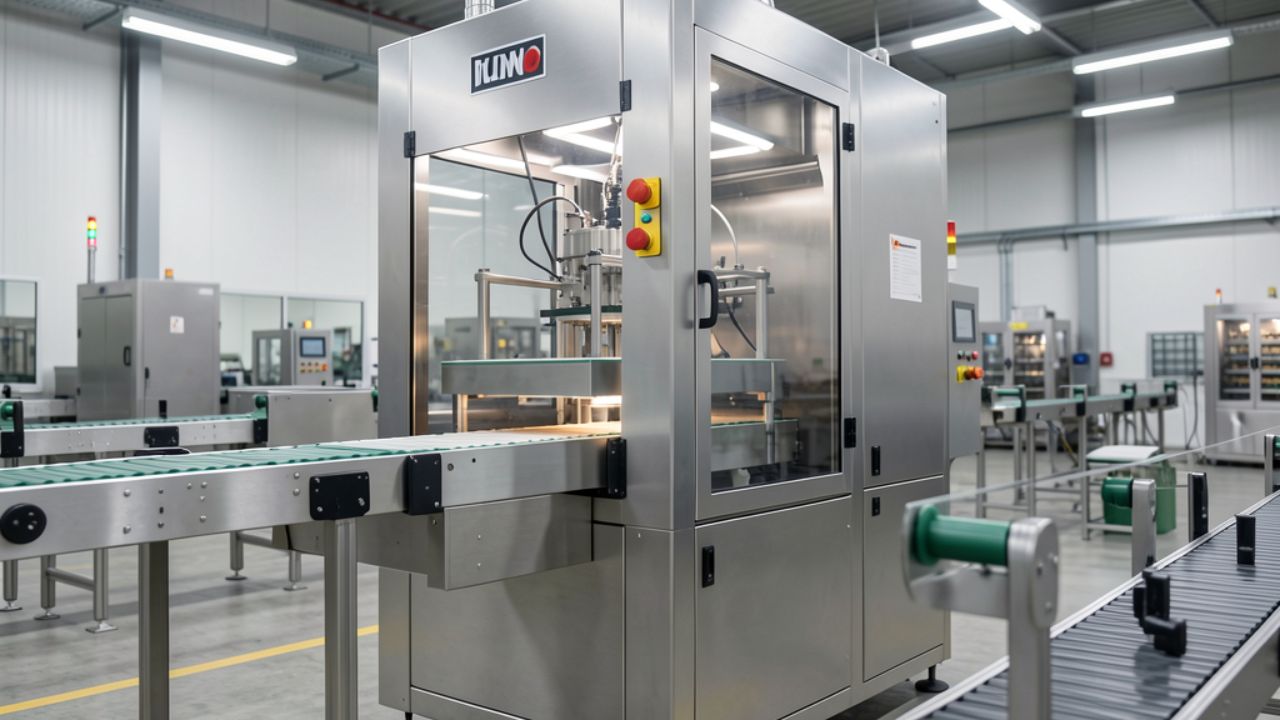
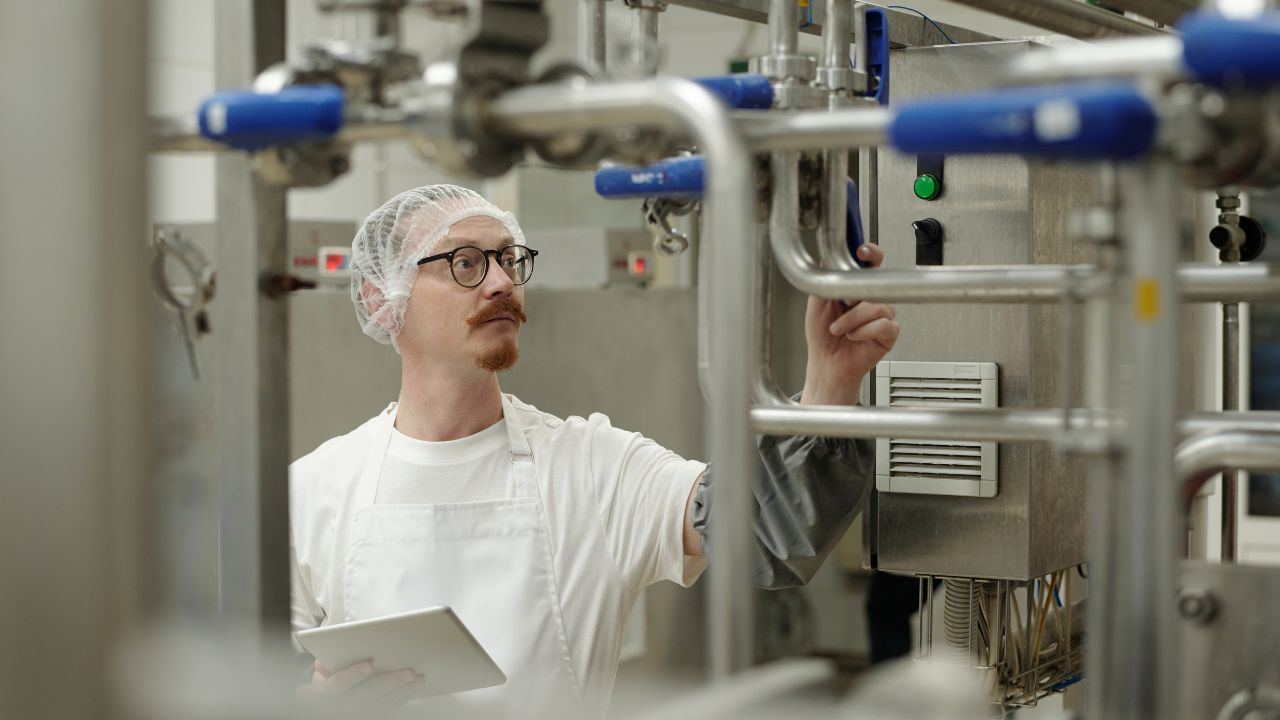
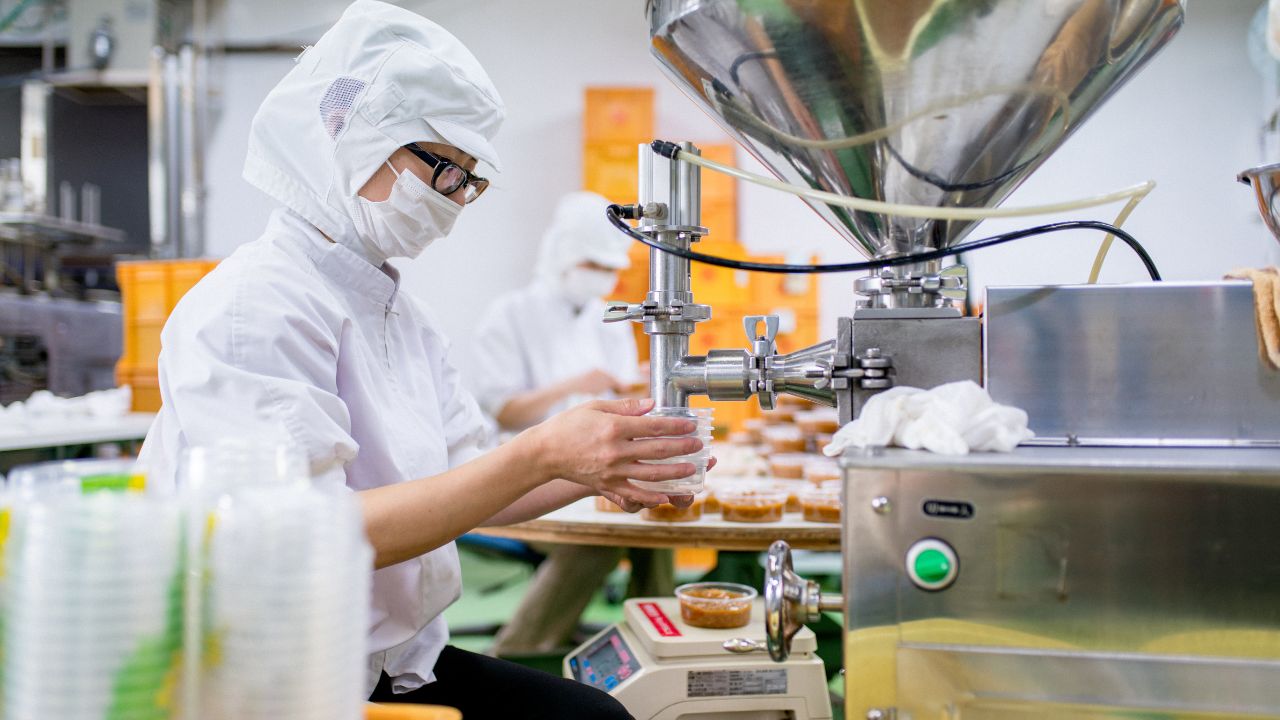
Induction sealer speed must align with capping line capacity to prevent bottlenecks and maintain consistent production flow. Mismatched speeds create inefficiencies that reduce throughput, increase labor costs, and compromise product quality. Understanding how sealing rate matching affects production efficiency allows manufacturers to select equipment that synchronizes with existing automation. Proper equipment synchronization ensures containers move through filling, capping, and sealing stages without delays or backups.
Key Takeaways
- Matching induction sealer speed to capping line capacity prevents production bottlenecks and maximizes throughput
- Container shape, material type, and closure design directly affect sealing cycle time and required equipment speed
- Automated quality control systems detect seal defects in real-time, maintaining 100% sealing integrity at high speeds
- Standardizing container shapes and closures across product lines reduces changeover time and simplifies speed optimization
- Equipment cost ranges from USD 300 for manual sealers to over USD 20,000 for fully automatic systems
What Is Induction Sealing and How Does It Work?
Induction sealing creates tamper-evident hermetic seals by heating foil liners inside closures using electromagnetic energy. This non-contact process bonds liners to container openings without applying direct pressure or heat to packaging surfaces. The technology provides secure seals for glass, plastic, and composite containers across food, pharmaceutical, and cosmetic applications. Advanced systems ensure product integrity while accommodating high-speed induction sealer machines, ensuring tamper-evident packaging for consumer safety and production requirements.
Core Components of Induction Sealing Systems
Induction sealing systems consist of power supplies, sealing heads, and conveyor integration components. The electromagnetic field generated by the sealing head penetrates the cap and heats the metallic layer within the foil liner. Advanced direct heating solutions melt foil seals in 200 milliseconds, enabling throughput exceeding 600 containers per minute. Automated detection systems monitor seal quality, rejecting improperly sealed units before they enter distribution channels.
Benefits of Induction Sealing for Product Integrity
Hermetic seals prevent moisture, oxygen, and contaminants from entering containers, extending shelf life significantly. Tamper-evident liners provide visible proof of product integrity, building consumer trust and meeting regulatory requirements. Automated systems ensure 100% sealing quality through real-time defect detection and rejection mechanisms. The non-contact heating process eliminates cap deformation and maintains closure functionality after initial opening.
Comparison With Other Sealing Technologies
Heat sealing utilizes high pressure and temperatures up to 250°C for flexible materials like foils and films. This method achieves faster cycle times and requires lower equipment costs than induction sealing for appropriate applications. Ultrasonic sealing uses high-frequency vibrations to soften plastic at the molecular level, creating bonds without adhesives. Heat sealing involves direct contact with packaging material, while induction sealing cannot be used on certain plastic types without proper liners.
Why Is Matching Induction Sealer Speed to the Capping Line Critical?
Mismatched sealing and capping speeds create production bottlenecks that reduce overall line efficiency and throughput. When sealers operate slower than cappers, containers accumulate before the sealing station, requiring manual intervention or line stoppages. Conversely, oversized sealers running faster than upstream processes sit idle, wasting capital investment and floor space. Proper speed synchronization ensures continuous flow from filling through final packaging without interruptions.
Impact on Production Efficiency and Throughput
Production efficiency depends on balanced cycle times across all packaging stations to maintain target output rates. A manufacturer implementing automated labeling increased throughput to 45 envelopes per minute, exceeding the 40-unit target. Similar gains occur when sealing equipment matches capping line speed, eliminating manual intervention and reducing labor costs. Synchronized systems minimize downtime and allow manufacturers to meet growing demand without expanding facility footprints.
Common Challenges When Speeds Are Mismatched
Speed mismatches cause inconsistent seal quality when operators rush processes to clear accumulated containers. Manual interventions increase when upstream processes outpace sealing capacity, adding labor costs and error opportunities. Inconsistent label placement and sealing defects lead to rejected shipments, damaging customer relationships, and increasing waste. Equipment operating beyond designed capacity experiences accelerated wear, increasing maintenance frequency, and unplanned downtime.
Role of Automation and Integration
Automation synchronizes multiple packaging operations through programmable logic controllers and sensor-based feedback systems. The packaging automation market is projected to expand from USD 80.67 billion in 2025 to USD 170.96 billion by 2035. Integrated systems adjust individual station speeds dynamically, maintaining balanced flow despite variations in container arrival rates. Automated quality control detects defects immediately, preventing downstream equipment from processing compromised units.
What Factors Influence the Optimal Induction Sealer Speed?
Container geometry and closure design determine the sealing cycle time required to achieve proper liner bonding. Material composition affects heat transfer rates, requiring longer dwell times for certain plastics compared to glass containers. Product characteristics influence acceptable sealing parameters, with temperature-sensitive formulations requiring gentler heating profiles. Line configuration and available floor space may constrain equipment selection, limiting maximum achievable sealing speeds.
Container and Closure Compatibility Considerations
Specialized pucks or handling equipment are required for square or uniquely shaped containers during automated processing. Round containers with standard continuous-thread finishes move through sealing stations most efficiently, supporting higher throughput rates. Tethered caps remain attached to containers after opening, meeting regulatory requirements in markets like California. Screw closures captured 47.12% of unit shipments in 2025, representing the most common closure type in automated lines.
Material Types and Their Effect on Sealing Performance
Standard 8oz plastic jars cost USD 0.15 per unit, while comparable glass jars cost USD 0.45 per unit. Glass containers can triple or quadruple freight costs due to weight compared to plastic alternatives. Plastic jars captured 47.1% of the material mix in 2024, driven by cost advantages and reduced shipping expenses. Material weight and fragility influence handling speed, with heavier glass containers requiring gentler acceleration through conveyor systems.
Consumer Preferences Affecting Speed Requirements
Consumer preferences influence container and closure selection, which directly affects achievable sealing speeds. Eighty-five percent of consumers prioritize perception of quality when making purchasing decisions, favoring premium materials. Eighty-two percent prioritize price, while 78% value convenient access through resealable closures. Sixty-two percent indicate resealability influences purchase decisions, requiring closure designs compatible with induction sealing technology.
How Can You Assess and Optimize Your Capping Line Speed?
Assessing current line performance requires measuring actual cycle times at each packaging station during normal operations. Time studies identify bottlenecks where containers accumulate, revealing mismatches between theoretical and actual equipment capacities. Analyzing downtime causes and frequency highlights maintenance issues or operator skill gaps affecting consistent throughput. Baseline measurements establish starting points for evaluating improvement initiatives and calculating return on investment.
Measuring and Analyzing Line Speed and Sealing Cycle Time
Direct observation and automated counters measure containers processed per minute at each packaging station. Comparing individual station rates identifies the slowest operation constraining overall line throughput. Sealing cycle time includes container entry, heating dwell, and exit from the sealing head area. Understanding automatic capping machines' speed, accuracy, and ROI for bottling operations helps manufacturers balance capping and sealing speeds for optimal performance.
Adjusting Sealing Parameters for Different Container Types
Power settings and conveyor speed adjustments accommodate varying container sizes and liner materials without equipment changes. Larger containers require higher power output or longer dwell times to achieve complete liner bonding. Temperature-sensitive products need reduced power settings to prevent product degradation near the container opening. Recording optimal parameters for each SKU enables rapid changeovers between production runs without trial-and-error adjustments.
Implementing Quality Control and Real-Time Monitoring
Thermal imaging detects faulty seal seams by identifying incomplete liner bonding through temperature variations. Intelligent in-line control systems provide real-time quality monitoring, rejecting defective units before downstream packaging stages. Automated inspection reduces manual quality checks, allowing operators to focus on equipment optimization and preventive maintenance. Continuous monitoring establishes quality trends, revealing gradual parameter drift requiring recalibration before defect rates increase.
What Are Best Practices for Integrating Induction Sealers in Automated Lines?
Early collaboration between equipment suppliers and line engineers ensures compatible equipment selections before capital commitments. Standardizing container formats and closure types across product portfolios simplifies automation and reduces changeover complexity. Implementing modular equipment designs allows phased automation expansion as production volumes grow and budgets permit. Proper integration planning prevents costly retrofits when adding sealing equipment to existing packaging line automation, semi-automatic vs fully automatic systems, and comparing operations.
Standardization of Container Shapes and Closures
Standardizing container shapes, preferably round, across product lines, minimizes specialized handling equipment requirements. Consistent closure types reduce changeover times and simplify spare parts inventory management across production facilities. Round containers with continuous threads pass through automated equipment more reliably than irregular shapes. Standardization enables higher sealing speeds by eliminating custom tooling and complex container orientation systems.
Early Collaboration Between Suppliers and Line Engineers
Engaging closure suppliers early in packaging design ensures selected caps function properly with high-speed sealing equipment. Equipment vendors provide specifications showing required clearances, power consumption, and integration points before installation begins. Collaborative planning identifies potential conflicts between new sealing equipment and existing conveyor heights or floor layouts. Early involvement prevents expensive modifications discovered during installation when production schedules create pressure for rapid commissioning.
Using Intelligent In-Line Inspection for Seal Integrity
Intelligent inspection systems verify seal presence, alignment, and bonding quality without slowing production throughput. Vision systems detect missing or damaged liners before containers reach secondary packaging operations. Real-time data collection identifies trends in seal quality, prompting proactive maintenance before defect rates increase. Automated rejection mechanisms remove defective units from production flow, maintaining complete packaging line integration from weighing to palletizing, ROI analysis, and quality standards.
How Do Industry Trends Affect Induction Sealer Speed Choices?
Sustainability initiatives drive the adoption of alternative materials requiring adjusted sealing parameters and potentially slower speeds. Regulatory changes mandate closure designs like tethered caps, affecting handling complexity and achievable throughput rates. E-commerce growth increases demand for tamper-evident packaging that withstands distribution stress without adding protective materials. These trends influence equipment selection and acceptable production speeds when balancing cost, quality, and compliance requirements.
Adoption of Sustainability-Driven Packaging Materials
Seventy-seven percent of consumers consider recyclability extremely important or very important when evaluating products. Thirty-three percent consider environmental impact important, up from 27% in 2023, showing accelerating concern. Seventy percent prefer packaging with clear sustainability labels, influencing material choices that affect sealing compatibility. Bio-based plastics and lightweight glass alternatives may require modified sealing parameters, potentially affecting maximum throughput speeds.
Regulatory Requirements Impacting Closure Designs
California's Senate Bill 459 requires beverage closures to remain attached after opening by January 2028. Tethered caps are projected to expand at 3.67% CAGR through 2031 as regulations spread. Injection-molding tool retrofits for tethered caps cost USD 80,000 to USD 120,000 per cavity. These specialized closures may require slower handling speeds or additional equipment to prevent tether damage during processing.
Growth in E-Commerce and Its Influence on Packaging Speeds
E-commerce distribution subjects packages to rough handling, requiring stronger seals that may need longer bonding times. Tamper-evident features become critical when products pass through multiple distribution points before reaching consumers. Package testing includes 1.2-meter drop tests simulating shipping conditions that stress closure integrity. Meeting these durability standards while maintaining the role of automation in modern packaging equipment efficiency requires balancing sealing cycle time with bond strength requirements.
What Is the Impact of Equipment and Material Costs on Speed Decisions?
Equipment costs vary dramatically based on automation level, with manual sealers starting around USD 300 versus USD 20,000 for fully automatic systems. Material selection influences both unit costs and achievable processing speeds through automated equipment. Return on investment calculations must account for labor savings, quality improvements, and throughput increases when evaluating speed upgrades. Understanding cost relationships helps manufacturers select equipment matching current needs while supporting future growth.
Pricing Variations for Sealing Equipment and Automation Levels
Manual sealers are available for approximately USD 300, suitable for small-batch production with limited throughput requirements. Semi-automatic sealing models range from USD 800 to USD 1,500, offering moderate speed increases. Fully automatic induction sealing systems start around USD 8,000 and can exceed USD 20,000 for high-speed configurations. The induction sealing machine market was valued at USD 1.4 billion in 2024 and is set to grow at 6.0% CAGR.
Cost-Benefit Analysis for Material Selection and Sealing Speed
Standard polypropylene screw caps cost approximately USD 0.08 per unit, representing the most economical closure option. Flip-top closures cost USD 0.12 per unit, while child-resistant caps cost USD 0.15 per unit. Pump dispensers cost USD 0.25 per unit, offering convenience but requiring specialized handling during sealing operations. Labor costs at USD 15 per hour for manual label application compare unfavorably against automated solutions processing 45 units per minute.
Return on Investment Considerations for Speed Upgrades
A manufacturer achieved ROI within 6-8 months after implementing automated labeling, surpassing their one-year goal. Similar returns occur when sealing equipment upgrades increase throughput and reduce manual intervention costs. Reduced product waste from consistent seal quality contributes additional savings beyond labor cost reductions. Optimizing food packaging, ensuring safety, shelf-life, and appeal with Wolf-Packing equipment demonstrates how proper equipment selection improves overall packaging performance.
Balancing Induction Sealer Speed With Capping Line Efficiency for Optimal Packaging Performance
Achieving optimal packaging performance requires careful synchronization between induction sealer speed and overall capping line capacity. Manufacturers must evaluate container compatibility, material costs, and automation levels when selecting equipment that maintains production flow. Quality control integration ensures seal integrity at higher speeds, preventing defects that damage brand reputation and increase waste. Balancing speed with thoroughness creates sustainable operations that meet current demand while accommodating future growth.
Industry trends toward sustainable materials and regulatory compliance will continue influencing equipment selection and achievable throughput rates. Emerging trends in packaging machinery for the food and beverage industry show increasing automation adoption as manufacturers pursue competitive advantages. Companies investing in flexible, scalable systems position themselves to adapt as consumer preferences and regulations evolve. Wolf-Packing Machine Company provides custom packaging solutions that synchronize sealing operations with existing production lines, ensuring manufacturers achieve measurable ROI.
Synchronize Your Capping Line With Wolf Packing Machine Company
Wolf Packing Machine Company engineers induction sealing and capping line equipment to match your exact production speed requirements. Our U.S.-based engineering team works with your facility layout, container formats, and output targets to configure sealing systems that run in step with your full packaging line. Every system ships from our American facility, and our support team is available by phone, not email tickets, when you need fast answers.
As a veteran-owned manufacturer, we back every installation with lifetime technical support and U.S.-stocked parts that ship in 2 to 3 days. Whether you are scaling from semi-automatic to fully automatic sealing or integrating induction sealing into an existing capping line, Wolf Packing provides the equipment and the support to protect your throughput and your ROI.Contact Wolf Packing today to speak with an engineer about your induction sealing requirements or high-performance vffs machine integration. Request a free consultation and find out how matched sealing speed can reduce bottlenecks, cut labor costs, and deliver measurable ROI for your packaging line.