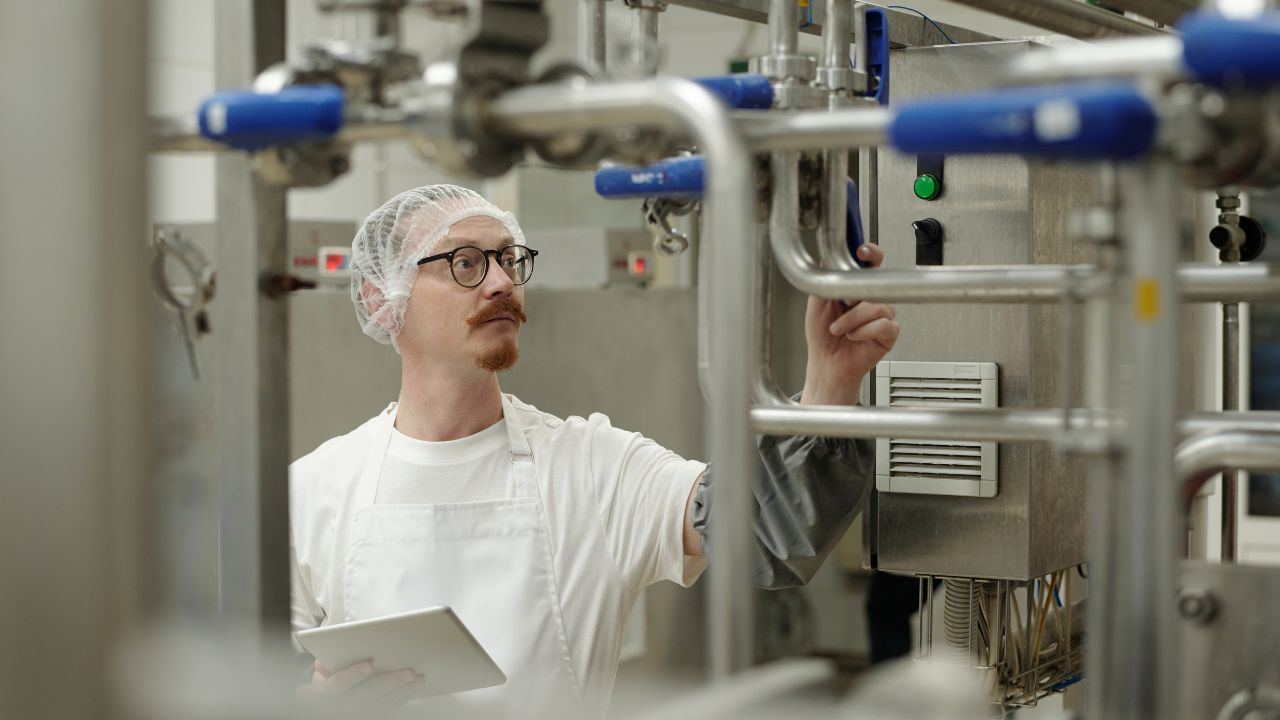
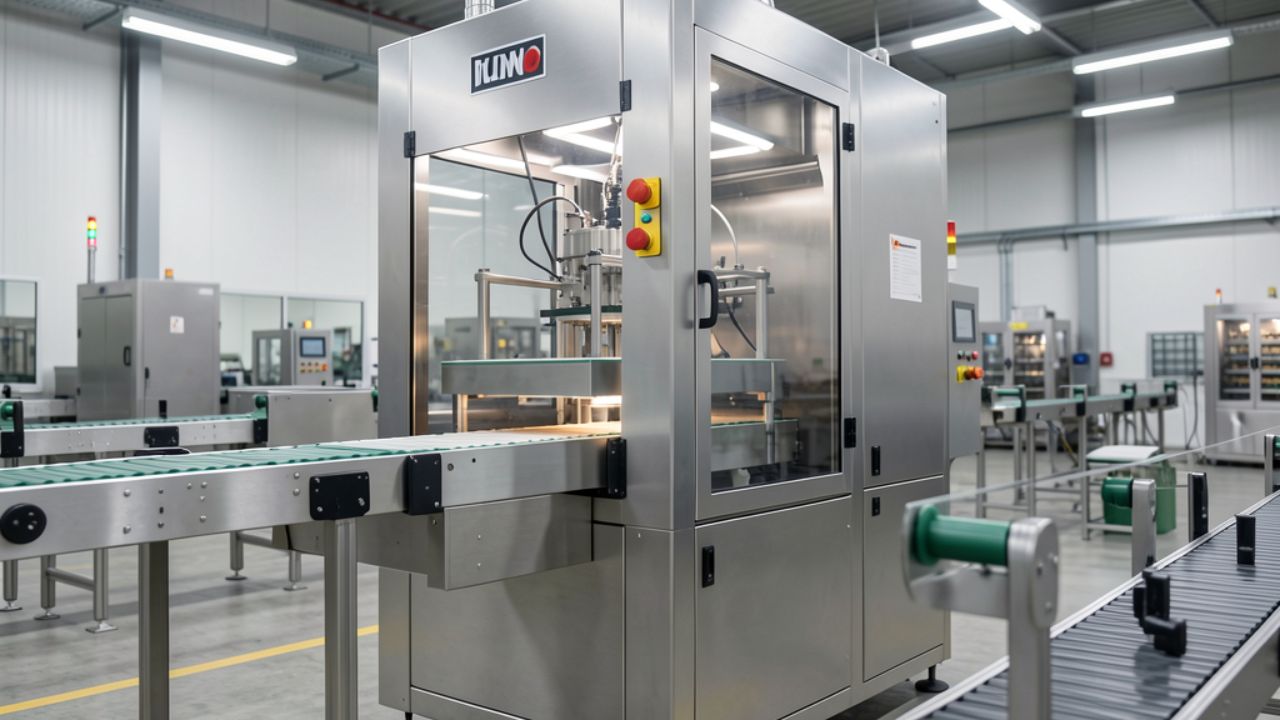
Clothing label automation transforms manual processes into efficient, scalable production systems. Manufacturers adopting these technologies reduce labor dependency while improving label placement consistency and output rates. The custom clothing labels market, valued at approximately USD 2 billion, demonstrates strong demand for automated solutions as brands seek faster turnaround times and reduced operational costs.
Choosing the right label application machines requires understanding production volume, budget constraints, and integration requirements. Systems range from entry-level manual tools to sophisticated industrial lines capable of processing thousands of units per hour. Strategic implementation of clothing label automation delivers measurable returns through reduced labor costs, improved accuracy, and increased production capacity.
Key Takeaways
- Manual label makers start at USD 25, while fully automatic systems cost USD 5,000 to USD 50,000+
- Pressure-sensitive labels dominate with 40.70% market share, followed by shrink labels at 25%
- FlexPAC case study achieved 45 envelopes per minute throughput with ROI in 6-8 months
- Custom clothing labels market projected to reach USD 4.4 billion by 2033 at 12.7% CAGR
- Container design compatibility directly affects automation success and label placement accuracy
What Is Automated Clothing Label Application?
Automated clothing label application replaces manual labeling processes with mechanical systems that position and affix labels consistently. These systems handle various label types, including hang tags, fabric labels, and pressure-sensitive adhesive labels. Integration solutions connect labeling equipment to existing production workflows, creating seamless processing from garment completion through final packaging.
The technology addresses critical manufacturing challenges, including labor shortages and quality control inconsistencies. Automated systems ensure uniform label placement across thousands of units, eliminating human error and reducing rejected shipments. Fashion packaging operations benefit from reduced processing time and improved throughput, enabling manufacturers to meet tight delivery schedules.
What Types of Machine Options Are Available?
Manual label makers start at USD 25 for basic handheld devices suitable for small-batch operations. Semi-automatic applicators range from USD 800 to USD 2,500, offering mechanical assistance while requiring operator intervention. Fully automatic industrial labeling lines cost between USD 5,000 and USD 50,000+, providing high-speed processing with minimal human oversight.
The tagging machines market is projected to reach USD 8.7 billion by 2027, reflecting industry-wide automation adoption. Premium systems integrate vision inspection, automatic label feeding, and real-time quality monitoring to maintain consistent output standards. Manufacturers select equipment based on production volume requirements, budget availability, and desired automation level.
What Are the Key Components of Labeling Automation Systems?
Label feeding mechanisms deliver pre-printed labels from rolls or stacks to application heads with precise timing. Applicator heads use pressure, heat, or adhesive activation to secure labels onto garment surfaces or packaging. Conveyor systems transport items through labeling stations at controlled speeds, ensuring accurate positioning during application.
Control software coordinates system components, managing label inventory and tracking production metrics in real time. Vision systems verify label presence, orientation, and placement accuracy before items advance to subsequent production stages. Integration interfaces connect labeling equipment to enterprise resource planning systems, enabling data-driven production management and inventory control.
Why Is Automation Important in Clothing Label Application?
Automation addresses rising labor costs and workforce availability challenges facing garment manufacturers. Manual labeling processes face high labor costs at USD 15 per hour and inconsistent placement issues that compromise brand presentation. Automated systems deliver superior speed, accuracy, and repeatability compared to manual methods, directly impacting production efficiency and profit margins.
Market dynamics drive automation adoption as consumer demand for faster fulfillment and customization increases. Rejected shipments can occur due to inconsistent label placement, creating costly returns and damaged customer relationships. Automated solutions maintain strict quality standards while scaling production capacity to meet seasonal demand fluctuations.
How Does Automation Improve Efficiency and Accuracy?
The FlexPAC case study achieved 45 envelopes per minute throughput, exceeding the target of 40 units. ROI was realized within 6-8 months, surpassing the company's one-year payback goal through reduced labor costs. Automated systems eliminate placement variations that occur during manual application, ensuring brand-compliant label positioning across all products.
Throughput improvements translate directly to increased daily production capacity without proportional labor cost increases. Accuracy gains reduce rework, material waste, and quality control intervention, lowering total production costs per unit. Manufacturers implementing packaging line automation report improved operational predictability and reduced dependency on skilled labor availability.
What Consumer and Market Trends Influence Automation Needs?
The global packaging labels market was valued at USD 53.92 billion in 2024, projected to reach USD 70.02 billion by 2030. The packaging automation market is projected to expand from USD 80.67 billion in 2025 to USD 170.96 billion by 2035. These growth trends reflect accelerating automation adoption across manufacturing sectors, responding to e-commerce expansion and sustainability pressures.
The automated labeling equipment sector was valued at USD 4.96 billion in 2025 and is expected to reach USD 7.01 billion by 2030. The custom clothing labels market is valued at approximately USD 2 billion, projected to grow at 12.7% CAGR to reach USD 4.4 billion by 2033. Consumer demand for rapid order fulfillment and product customization drives manufacturers toward flexible automation solutions.
How Do Container and Closure Designs Affect Labeling Automation?
Container geometry directly influences label application success, with cylindrical shapes offering optimal automation compatibility. Irregular surfaces, corners, and complex curves require specialized labeling heads or manual intervention, reducing throughput and increasing equipment costs. Standardized container designs enable faster changeovers and more reliable label placement across production runs.
Closure mechanisms must accommodate label positioning without interference during sealing or dispensing operations. Jar labeling machines demonstrate how container compatibility affects equipment selection and label type choices. Material composition affects adhesive performance, with glass, plastic, and metal surfaces requiring different label stocks and application pressures.
What Jar and Closure Types Are Compatible with Automated Labeling?
Round jars with continuous thread finishes provide the most reliable automated labeling performance. Standard screw closures captured 47.12% of unit shipments in 2025, offering consistent dimensions for automated handling. Flip-top and dispensing caps, accounting for 35.29% of global revenue share, require clearance considerations during label placement.
Square and uniquely shaped containers often require specialized pucks or custom handling equipment to maintain orientation during labeling. Tethered caps represent the fastest-growing segment, projected to expand at 3.67% CAGR through 2031, introducing new automation challenges. Manufacturers should consult equipment providers early in packaging design to ensure container-labeling system compatibility.
How Do Sealing Technologies Integrate with Label Application?
Induction sealing creates hermetic seals by heating foil liners inside caps using electromagnetic fields. Advanced direct heating solutions melt foil seals in just 200 milliseconds, enabling rapid throughput without compromising seal integrity. Labels must be positioned to avoid interference with sealing zones, particularly on containers requiring tamper-evident closures.
Heat sealing utilizes high pressure and temperatures up to 250°C for flexible packaging materials. Ultrasonic sealing uses high-frequency vibrations to bond plastic components, creating strong seals through product residue. Automating jar packaging requires coordinated timing between filling, sealing, and labeling operations to maintain production flow.
What Are the Main Label Application Methods for Clothing?
Pressure-sensitive labels use adhesive activated by application pressure, eliminating heat or solvent requirements. Shrink labels conform to container shapes through heat application, providing 360-degree graphics coverage. Hang tags attach via plastic fasteners or string, displaying pricing, sizing, and brand information on garment exteriors.
Fabric labels are sewn or heat-transferred directly onto garments, providing permanent care and composition information. Each method requires specific application equipment and integration approaches based on garment type and production volume. Modern systems handle multiple label formats within single production lines, maximizing operational flexibility.
How Do Pressure-Sensitive and Shrink Labels Differ in Automation?
Pressure-sensitive labels dominate with 40.70% revenue share due to their application simplicity and material versatility. Shrink labels account for 25% and stretch labels 18%, offering enhanced graphics capabilities but requiring heat tunnels. Pressure-sensitive labels use adhesive activated by pressure, making them compatible with high-speed automated applicators.
Shrink label application demands precise heat control to achieve uniform shrinkage without material distortion or damage. Bag labeling systems demonstrate pressure-sensitive technology's adaptability across flexible packaging formats. Equipment costs for shrink labeling exceed those of pressure-sensitive systems due to additional heating elements and temperature monitoring requirements.
What Role Do Hang Tags and Fabric Labels Play in Automated Systems?
Hang tags convey pricing, sizing, and promotional information while enabling quick attachment and removal. Automated tagging machines position tags consistently and apply fasteners at rates exceeding 100 units per minute. Fabric labels provide permanent garment identification, requiring heat-press or sewing automation for high-volume applications.
Woven and printed fabric labels integrate into automated production through specialized feeding and positioning systems. Combined hang tag and fabric label application systems streamline fashion packaging workflows by handling multiple label types sequentially. Vision systems verify tag presence and orientation before garments advance to the folding and packaging stations.
How Can Automation Be Integrated into Existing Production Lines?
Successful integration requires analyzing current workflow bottlenecks and identifying optimal equipment placement points. Labeling equipment should be positioned downstream of quality inspection but upstream of final packaging to maintain production flow. Reducing label placement errors begins with proper equipment specification and operator training protocols.
Compatibility assessment evaluates conveyor speeds, product spacing, and control system communication protocols before equipment installation. Phased implementation allows manufacturers to validate automation performance on limited production runs before full-scale deployment. Professional integrators coordinate electrical, mechanical, and software connections to ensure seamless operation with existing machinery.
What Are Best Practices for Machine Compatibility and Workflow?
Standardizing product formats and label specifications across SKUs reduces changeover complexity and equipment downtime. Conveyor height, speed, and product orientation must match labeling system specifications to ensure reliable operation. Control system integration enables centralized production monitoring and coordinated equipment operation across multiple processing stations.
Early engagement with equipment suppliers during packaging design prevents compatibility issues that would require costly modifications later. Labeling machine speed ratings should align with upstream and downstream equipment capacities to avoid creating production bottlenecks. Regular maintenance schedules and spare parts inventory minimize unplanned downtime and maintain consistent throughput rates.
How Is Quality Control Managed in Automated Labeling?
Vision systems inspect label presence, position, and orientation using cameras and image processing algorithms. Reject mechanisms automatically divert non-conforming items to separate collection areas for manual review and correction. Real-time statistical process control tracks placement accuracy, triggering alerts when parameters drift outside acceptable tolerances.
Operators monitor dashboard displays showing production rates, reject counts, and equipment status in real time. Automated data logging creates permanent records of production runs, supporting traceability requirements and continuous improvement initiatives. Integration with enterprise systems enables production managers to analyze performance trends and optimize equipment settings remotely.
What Are the Cost Considerations for Automated Labeling Systems?
Initial equipment investment represents only one component of total automation cost, with installation, training, and maintenance adding significant expenses. ROI calculations must account for labor savings, quality improvements, and increased production capacity over equipment lifespan. Financing options and trade-in programs reduce upfront capital requirements, making automation accessible to smaller manufacturers.
Operational costs include label materials, adhesives, electricity, and preventive maintenance supplies consumed during production. Integration solutions require electrical work, control system programming, and conveyor modifications that vary based on facility layout. Manufacturers should budget 10-15% of equipment cost annually for maintenance, parts replacement, and periodic upgrades.
How Do Equipment Prices Vary by Automation Level?
Manual label makers start as low as USD 25 for basic handheld devices suitable for small-batch operations. Semi-automatic models range from USD 800 to USD 1,500, offering mechanical assistance while requiring operator involvement. Fully automatic industrial labeling lines typically start around USD 5,000 and can exceed USD 50,000 for high-speed systems.
Induction sealing equipment follows similar pricing patterns, with manual sealers available for approximately USD 300. Semi-automatic sealers range from USD 800 to USD 1,500 for mid-volume applications. Fully automatic systems designed for high-volume operations start around USD 8,000, with complex lines reaching USD 20,000+.
What Are the Material and Operational Cost Implications?
Pressure-sensitive labels typically cost USD 0.02 to USD 0.10 per unit, depending on size, material, and printing complexity. Shrink labels range from USD 0.05 to USD 0.15 per unit due to specialized film requirements and printing processes. Hang tags cost USD 0.08 to USD 0.25 each, with pricing influenced by material, printing, and fastener type.
Labor cost savings often justify automation investments within 12-24 months for mid-volume manufacturers. Energy consumption varies by equipment type, with fully automatic systems typically consuming 2-5 kW per hour of operation. Maintenance costs average 8-12% of equipment purchase price annually, including parts, lubricants, and service contracts.
What Do Industry Experts Recommend for Successful Integration?
Industry experts emphasize standardization of container shapes and label formats to minimize changeover complexity. Early collaboration with closure suppliers ensures selected caps can be efficiently handled by high-speed automated equipment. Quality control implementation should include intelligent in-line systems detecting faulty seals or label placement before products reach packaging.
Manufacturers should prioritize protection, safety, compatibility, and performance when evaluating container closure systems. Protection ensures adequate sealing against moisture, oxygen, and light exposure throughout the product's shelf life. Safety verification confirms material compliance with FDA regulations and the absence of harmful leachables into product formulations.
Which Case Studies Illustrate Effective Automated Labeling Solutions?
FlexPAC implemented a custom automated solution integrating a Walco feed conveyor with a CTM labeling system. The manufacturer employing 6-10 workers faced high labor costs and inconsistent label placement, causing rejected shipments. The automated system achieved 45 envelopes per minute throughput, significantly reducing manual intervention and labor expenses.
Label placement accuracy was enhanced, eliminating rejected shipments, associated costs, and delivery delays. The company achieved full ROI within 6-8 months, surpassing their one-year goal and subsequently purchasing a second machine. The future of packaging automation is demonstrated through such successful implementations across diverse manufacturing sectors.
What Frameworks Guide Container and Closure Compatibility?
The four-pillar framework evaluates protection, safety, compatibility, and performance when selecting container-closure systems. Protection assessment verifies sealing adequacy against moisture, oxygen, and light throughout distribution and storage. Safety evaluation confirms materials comply with regulations and avoid harmful leachables in regulated product categories.
Compatibility analysis ensures closure mechanisms align with container materials and labeling requirements without interference. Performance testing validates systems withstand required line speeds and distribution stresses, including 1.2-meter drop tests for e-commerce. This structured approach prevents costly redesigns and equipment modifications after production launch.
Evolving Trends and Future Outlook for Automating Clothing Label Application
Smart labeling systems incorporating RFID and NFC technology are gaining adoption for inventory tracking and authentication. Sustainability pressures are driving demand for recyclable label materials and reduced packaging waste throughout production processes. Manufacturers are increasingly seeking flexible automation solutions that accommodate multiple label formats and rapid changeover between SKUs.
Artificial intelligence integration is enabling predictive maintenance and real-time optimization of labeling parameters based on production conditions. WPMC labeling equipment represents modern solutions designed to meet evolving manufacturer requirements for efficiency, flexibility, and reliability. Cloud-based monitoring platforms allow remote equipment oversight and performance analysis, reducing on-site staffing requirements.
Automation benefits extend beyond direct labor savings to include improved data collection, traceability, and production planning capabilities. The convergence of labeling, inspection, and packaging operations into integrated production cells is streamlining workflows and reducing floor space requirements. As equipment costs decline and capabilities expand, automation becomes accessible to smaller manufacturers previously reliant on manual processes.
Investment in clothing label automation positions manufacturers to meet growing consumer demands for rapid fulfillment and product customization. Companies partnering with experienced providers like Wolf-Packing Machine Company gain access to proven integration solutions and ongoing technical support. Strategic automation adoption delivers sustainable competitive advantages through improved efficiency, quality consistency, and operational scalability across fashion packaging operations.
Stop Managing Label Placement Problems. Start Running a Smarter Line With Wolf Packing.
Manual label application creates placement errors, rework, and labor dependency that your production line can't afford. Wolf Packing Machine Company builds American-made label applicators, precision-engineered vffs machine systems, and complete packaging solutions backed by US-based engineers, lifetime technical support, and a trade-in program that lowers your upfront cost. Our team starts with your production goals, not a product catalog. Most manufacturers see full ROI within 18 to 24 months. Contact Wolf Packing today for a free consultation.