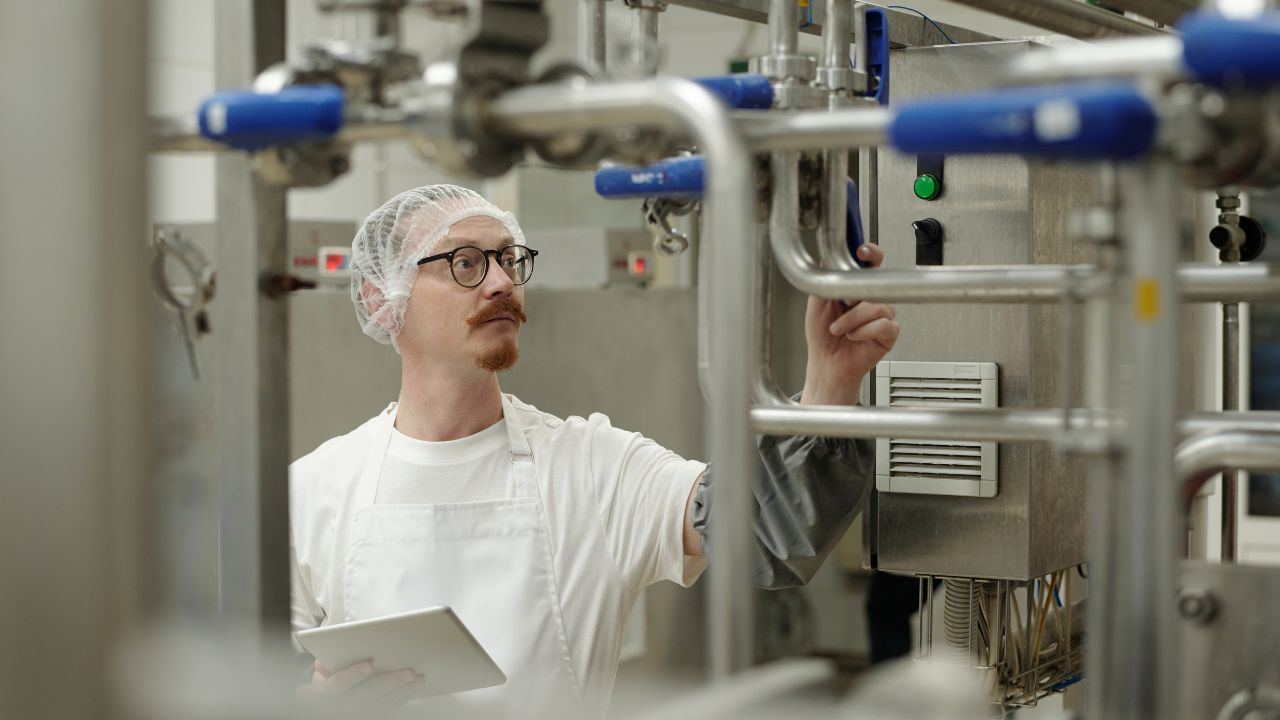
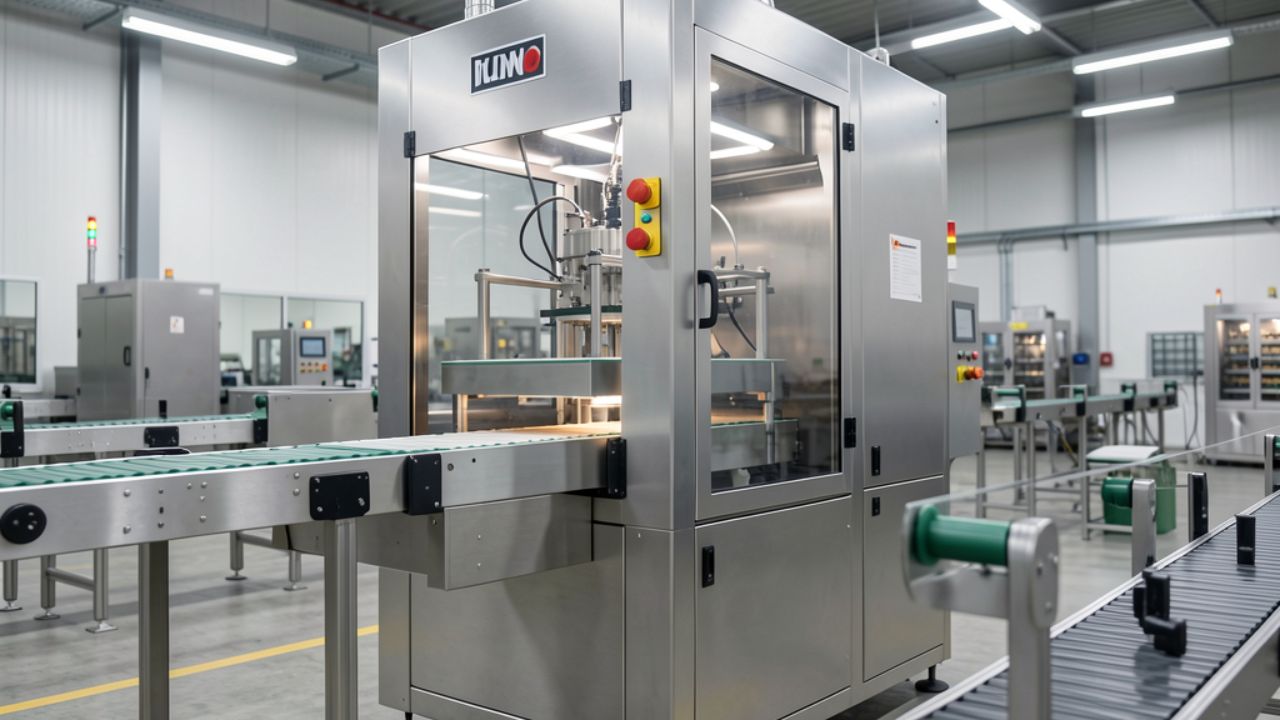
Good Manufacturing Practice compliance transforms food packaging operations from basic production systems into controlled environments that protect product integrity. Modern GMP food packaging machines integrate hygienic design principles with advanced automation to meet FDA standards while maximizing throughput. These systems address the dual challenge of preventing contamination and maintaining operational flexibility across diverse product lines.
The intersection of compliance design and operational efficiency requires specialized equipment engineered for both sanitation and speed. Manufacturers implementing these systems balance regulatory standards with production demands, selecting machinery that supports rapid cleaning cycles without sacrificing output capacity. Understanding the technical specifications, documentation protocols, and market positioning of these machines enables informed investment decisions that protect both product safety and business growth.
Key Takeaways
- GMP-compliant machines use stainless steel construction and self-draining surfaces to eliminate contamination risks
- Quick changeover systems reduce format change times from 60 minutes to 15 minutes using SMED principles
- Documentation requirements include cleaning validation, sanitation records, and automated compliance tracking
- Premium GMP packaging systems cost $250,000-$500,000, while budget models start at $50,000
- Asia-Pacific leads adoption with 85% market penetration and 7.3% projected growth rates
What Are GMP-Compliant Food Packaging Machines?
GMP-compliant food packaging machines are specialized equipment engineered to meet FDA hygienic standards for food processing. These systems prevent contamination through material selection, surface design, and cleanability features that satisfy regulatory requirements.
Advanced food safety equipment incorporates sanitary construction methods that eliminate pathogen-harboring points. The machines support rapid sanitation protocols while maintaining consistent production output across multiple shifts.
What Regulatory Standards Define GMP Compliance?
Good Manufacturing Practices established by the FDA under 21 CFR Part 117 mandate specific equipment design criteria for food contact surfaces. These regulations require manufacturers to demonstrate equipment cleanability and prevent adulteration through proper FDA packaging compliance protocols. The standards establish minimum construction requirements that protect against biological, chemical, and physical contamination hazards.
Regulatory frameworks specify documentation practices that trace equipment performance throughout production cycles. Manufacturers must validate cleaning procedures and maintain records proving sanitation effectiveness between product runs.
What Hygienic Design Principles Are Essential?
Dead zones are areas where product or moisture can accumulate, creating contamination risks in processing equipment. Proper hygienic design eliminates these zones through smooth radiused corners and seamless weld junctions. A minimum 3-degree slope is required for self-draining surfaces to ensure complete liquid evacuation during cleaning cycles.
Clean-Out-of-Place procedures for product-contact parts disassembly enable thorough manual inspection after automated cleaning. Modular construction allows operators to remove components without specialized tools, reducing sanitation time while improving access to critical surfaces.
What Materials and Construction Features Are Used?
Stainless steel SUS 304 or 316L used in GMP-compliant machines provides corrosion resistance and cleanability superior to standard materials. These alloys withstand repeated exposure to cleaning chemicals and high-temperature sanitization without degrading. Form-fill-seal machines as basic hygienic systems demonstrate entry-level compliance through integrated product contact zones.
Premium systems incorporate electropolished surfaces that reduce surface roughness below contamination thresholds. The polishing process creates barrier layers that prevent bacterial adhesion while simplifying visual inspection during validation procedures.
Why Is GMP Compliance Critical in Food Packaging?
GMP compliance protects consumer health while reducing financial exposure from contamination incidents and recalls. Proper implementation prevents production shutdowns that damage brand reputation and market position. Regulatory adherence creates operational stability by establishing predictable sanitation protocols that support consistent output.
Investment in compliance infrastructure delivers measurable returns through reduced waste and improved equipment longevity. Companies automating their packaging line with GMP standards from the initial installation avoid costly retrofitting expenses.
How Does GMP Reduce Contamination Risks?
Product contamination risk without proper GMP compliance includes pathogenic bacteria transfer, foreign material introduction, and chemical cross-contamination. Hygienic design physically prevents these hazards through engineered barriers and controlled material flow. Product recalls from inadequate hygienic design cost manufacturers an average of $10 million in direct expenses plus brand damage.
Contamination from dead zones in equipment design occurs when cleaning solutions cannot reach accumulated product residue. Proper sloped surfaces and radiused transitions eliminate stagnant areas where microorganisms colonize between production runs.
What Are the Operational Benefits of GMP Design?
Overall Equipment Effectiveness measures equipment performance through availability, performance rate, and quality output metrics. GMP-compliant machines improve OEE by reducing sanitation downtime and preventing quality defects from contamination. Streamlined cleaning procedures restore production faster than manually intensive sanitization methods.
Enhanced accessibility through tool-free disassembly reduces changeover complexity when switching between product types. Operators complete format changes and sanitation cycles simultaneously, maximizing productive uptime during multi-SKU production schedules.
What Are the Cost Implications of GMP Compliance?
Higher initial capital investment for GMP-compliant machines reflects specialized engineering and material quality requirements. Budget systems start at $50,000 while premium integrated lines exceed $500,000, depending on automation level. Total Cost of Ownership includes hidden costs like energy and maintenance that offset initial price differences.
Compliance-engineered equipment delivers lower lifetime costs through reduced cleaning chemical consumption and decreased utility usage. Preventive maintenance schedules extend component life compared to standard machinery exposed to harsher cleaning regimens.
How Do Quick Changeover Labeling Machines Support Multi-SKU Operations?
Quick-changeover labeling systems enable manufacturers to switch between product formats without extensive mechanical adjustments. These machines reduce the time and labor required to transition production lines across diverse package sizes and label specifications. Modern systems achieve format changes through software-driven adjustments rather than manual component replacement.
Operational flexibility increases when manufacturers can respond rapidly to shifting product demand. Comparing packaging line automation options reveals how changeover speed directly impacts production scheduling efficiency.
What Technologies Enable Rapid Changeovers?
Single-Minute Exchange of Die principles for quick changeovers originated in automotive manufacturing and now drive packaging line optimization. SMED methodology converts internal changeover activities into external preparations completed during production. Recipe-based software systems allow pre-programmed format selection that automatically recalls tension, speed, and positioning parameters.
Servomotor-driven technology automatically adjusts tension, positioning, and speed without manual intervention when operators select new product recipes. Electronic controls replace mechanical adjustment wheels, reducing human error while standardizing changeover procedures across operator skill levels.
What Are the Advantages and Challenges of Quick Changeover Systems?
Quick changeover systems reduce changeover times from 60 minutes to 15 minutes through automated adjustment protocols. This 75% reduction in changeover time with SMED implementation translates directly to increased production capacity. Work-in-Progress inventory reduced through quick changeovers enables just-in-time production strategies that lower storage costs.
Higher upfront costs compared to fixed-format labelers reflect the electronic control systems and precision components required. Complex software systems require specialized operator training that increases onboarding time and creates dependency on technical support.
How Is Operator Interaction Optimized?
Human-Machine Interface for operator machine control provides touchscreen access to all format parameters and diagnostic information. Modern HMI systems use visual workflows that guide operators through changeover sequences step-by-step. Color-coded status indicators communicate machine readiness and alert operators to adjustment requirements before production begins.
Simplified interfaces reduce cognitive load during high-pressure production environments where speed determines profitability. Operators access historical changeover data that identifies optimization opportunities and tracks performance improvements over time.
How Is Automation Integrated for Compliance and Efficiency?
Automation integration transforms packaging operations through real-time monitoring and data-driven decision making. Connected systems track performance metrics while simultaneously generating compliance documentation required for regulatory audits. This dual functionality eliminates manual record-keeping that diverts operator attention from production oversight.
Manufacturers following emerging trends in packaging machinery adopt sensor networks that create visibility across entire production environments.
What Role Do Sensors and Vision Systems Play?
IoT-enabled sensors for real-time monitoring track critical parameters, including temperature, pressure, and product flow rates. These devices generate continuous data streams that identify performance deviations before they cause quality defects. Vision inspection systems for quality control verify label placement, print quality, and package integrity at production speeds.
Advanced camera systems detect defects invisible to human operators while maintaining 100% inspection coverage. Machine learning algorithms improve detection accuracy over time by recognizing pattern variations across product batches.
How Does Data Management Enhance GMP Documentation?
Big Data analytics platforms for performance tracking aggregate sensor information into actionable compliance reports. Automated documentation systems generate cleaning logs, temperature records, and quality metrics without manual data entry. These platforms create audit trails that demonstrate continuous regulatory compliance to inspection authorities.
Centralized data storage enables trend analysis that identifies equipment degradation before failures occur. Predictive insights support maintenance scheduling during planned downtime rather than responding to emergency breakdowns.
What Are the Challenges of Integrating New Technologies?
Integration challenges with legacy equipment include incompatible communication protocols and physical space constraints. Older machines lack the sensor mounting points and network connectivity required for comprehensive monitoring. Significant IT infrastructure and cybersecurity measures are required to protect production data from external threats.
Network segmentation isolates production systems from corporate networks while maintaining data accessibility. Manufacturers must balance connectivity benefits against vulnerability risks through layered security architectures.
What Are the Price Ranges and Market Segments for These Machines?
Market segmentation reflects the diverse operational requirements across food manufacturing scales and complexity levels. Equipment pricing correlates with automation sophistication, production speed, and hygienic design features. Understanding these segments enables manufacturers to align investment decisions with operational capacity and growth trajectories.
Adoption of sustainable packaging solutions influences pricing as machinery must accommodate new material handling requirements.
How Do Budget, Mid-Range, and Premium Models Differ?
Budget GMP machines range from $50,000-$100,000, while premium systems cost $250,000-$500,000 or more. Budget labeling machines span $30,000-$75,000 compared to premium models at $150,000-$300,000. Budget automation starts at $20,000-$50,000 versus premium installations costing $150,000-$500,000.
Entry-level systems provide manual or semi-automatic operation with basic hygienic design features. Premium equipment delivers fully integrated automation with advanced cleaning systems and comprehensive data management.
Which Market Segments Drive Demand for GMP Packaging Machines?
The global packaging machinery market, valued at $59.30 billion in 2024, reflects strong demand across multiple industry sectors. Food packaging equipment accounts for $21.67 billion currently, with forecasts reaching $29.72 billion at 5.3%-7.3% CAGR. Labeling equipment represents a $6.84 billion current market size, growing to $11.36 billion at 5.8% CAGR.
Pharmaceutical packaging comprises $10.50 billion currently, expanding to $14.30 billion at 6.2%-7.5% CAGR. The 70.5% of respondents citing cost reduction and ROI as primary purchase factors demonstrates price sensitivity across all segments.
How Do Regional Adoption Trends Influence Design and Documentation?
Asia-Pacific adoption rate stands at 85% with 7.3% projected CAGR driven by rapid industrialization. North America shows 72% adoption rate and 3.2% projected CAGR, reflecting mature market saturation. Europe maintains 68% adoption rate with 2.8% projected CAGR, emphasizing regulatory compliance requirements.
Urban centers favor fully automated systems while rural operations prefer semi-automatic equipment, reflecting infrastructure availability. Larger operations choose high-speed systems, whereas smaller operations select modular systems enabling gradual capacity expansion.
What Are the Key Documentation Requirements for GMP Compliance?
Documentation requirements establish verifiable records that demonstrate continuous regulatory compliance throughout production operations. Proper record systems trace equipment performance, cleaning effectiveness, and operational parameters required during FDA inspections. These protocols create accountability frameworks that prevent compliance gaps from undetected procedural deviations.
Following a comprehensive packaging equipment maintenance checklist ensures all documentation requirements are integrated with preventive maintenance activities.
How Is Cleaning and Sanitation Documented?
Tool-free disassembly enables rapid cleaning procedures that operators can complete without specialized training. Cleaning logs must record chemical concentrations, contact times, and visual inspection results after each sanitation cycle. Clean-in-Place capabilities integrated into automated systems generate electronic records documenting flow rates, temperatures, and cycle completion.
Automated CIP systems eliminate manual documentation errors through sensor-verified cleaning parameter confirmation. Electronic signatures create audit trails that identify responsible personnel for each cleaning operation.
What Validation and Verification Records Are Needed?
Rigorous validation processes required during installation demonstrate that the equipment meets design specifications before production begins. Installation Qualification documents mechanical installation, while Operational Qualification verifies functional performance. Performance Qualification confirms the system produces acceptable results under actual production conditions.
Ongoing verification activities sample finished products to ensure continued compliance with quality standards. Environmental monitoring programs track airborne contaminants and surface cleanliness throughout production areas.
How Are Maintenance and Changeover Procedures Recorded?
Predictive maintenance alerts operators before failures occur through real-time condition monitoring of critical components. Maintenance logs document replacement parts, service intervals, and technician observations during routine inspections. AI systems schedule maintenance during planned downtime by analyzing historical failure patterns and component wear rates.
Changeover documentation records format parameters, adjustment procedures, and first-article inspection results. These records enable continuous improvement by identifying bottlenecks that extend transition times between product runs.
How Do Consumer and Industry Trends Influence GMP Packaging Machine Development?
Consumer preferences drive equipment evolution as manufacturers respond to market demands for sustainability and product variety. Regulatory agencies continuously update standards based on emerging contamination risks and technological capabilities. Equipment manufacturers must anticipate these shifts to deliver machinery that remains compliant throughout extended service lifecycles. Implementing allergen control in packaging lines demonstrates how evolving safety concerns shape equipment design priorities.
What Impact Does Sustainability Have on Design?
Paper-based and compostable films as sustainable materials require modified handling systems compared to traditional plastic films. These alternatives often exhibit different tension requirements and seal characteristics. Sustainable materials can be more delicate and harder to handle, requiring gentler mechanical contact and precise temperature control.
Equipment designers incorporate adjustable parameters that accommodate varying material properties without requiring hardware modifications. Flexible systems extend useful life by adapting to future material innovations through software updates.
How Is Operational Efficiency Balanced with Compliance?
Efficiency optimization cannot compromise sanitation effectiveness or the documentation completeness required by regulatory frameworks. Modern equipment achieves both objectives through integrated automation that performs compliance functions during productive operation. Sensor networks monitor critical control points while simultaneously tracking production throughput.
Manufacturers achieve 98% uptime through preventive maintenance programs that address wear before failures disrupt production. Strategic component redundancy maintains operation during routine service activities.
What Future Innovations Are Anticipated?
Artificial intelligence will enable autonomous quality control decisions that adjust process parameters in real-time. Machine learning algorithms will predict optimal maintenance intervals based on actual usage patterns rather than fixed schedules. Blockchain technology may create immutable compliance records that simplify regulatory audits.
Advanced materials science will produce self-sanitizing surfaces that reduce cleaning frequency while maintaining hygienic standards. Collaborative robotics will assist operators during changeovers and sanitation without requiring extensive safety guarding.
The Synthesis of Design and Documentation in GMP-Compliant Food Packaging Machines
Design excellence and comprehensive documentation work together to create packaging systems that protect product safety while maximizing operational performance. Equipment engineered with hygienic principles eliminates contamination pathways that threaten consumer health and brand integrity. Automated record-keeping transforms compliance from an administrative burden into a strategic advantage through data-driven insights.
Modern GMP-compliant machines deliver measurable returns through reduced waste, minimized downtime, and improved product consistency. Manufacturers selecting appropriate automation levels balance initial investment against long-term operational savings across equipment lifecycles. The convergence of regulatory requirements and efficiency objectives creates opportunities for companies that understand both technical capabilities and market positioning.
Wolf-Packing Machine Company brings decades of primary packaging experience to help manufacturers navigate equipment selection and implementation. Our U.S.-based service team provides lifetime support that protects your investment through responsive technical assistance and genuine parts availability.
Get GMP-Compliant Packaging Machinery Built for Your Operation
Meeting FDA and GMP requirements does not have to mean choosing between compliance and production output. Wolf Packing Machine Company engineers American-made packaging systems that combine hygienic stainless steel construction, tool-free changeovers, and integrated data logging, so your line passes audits and keeps moving.Whether you're running a single SKU or managing a multi-format operation, Wolf Packing designs a solution around your specific products and facility, from production-ready vffs machine systems to complete line integration, not a catalog option retrofitted to fit. Contact Wolf Packing today for a free consultation. See how the right machine protects your product, your production schedule, and your bottom line.