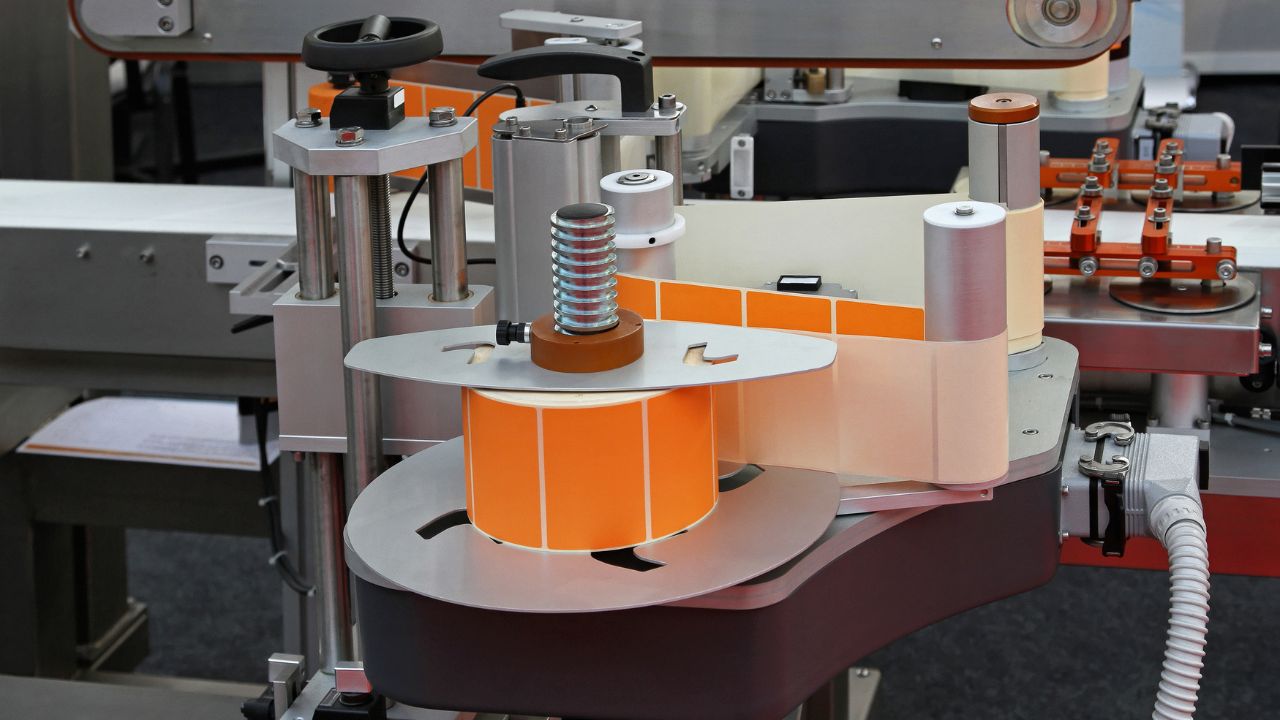
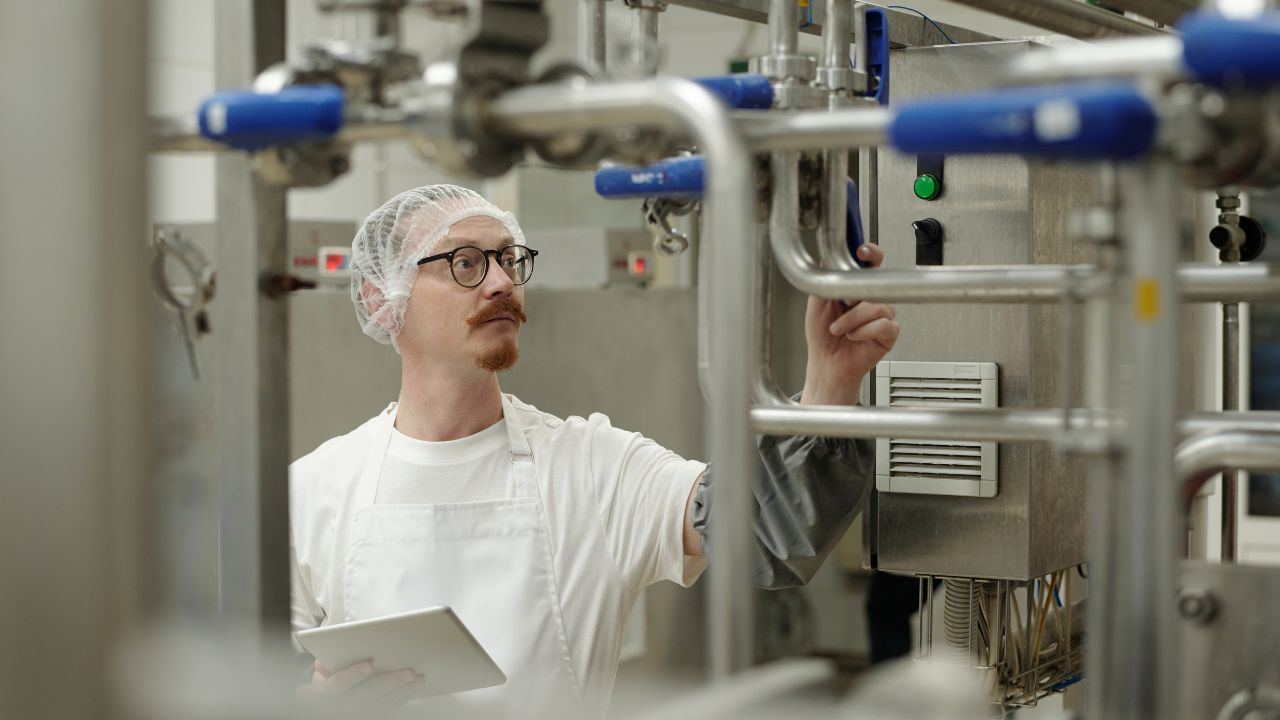
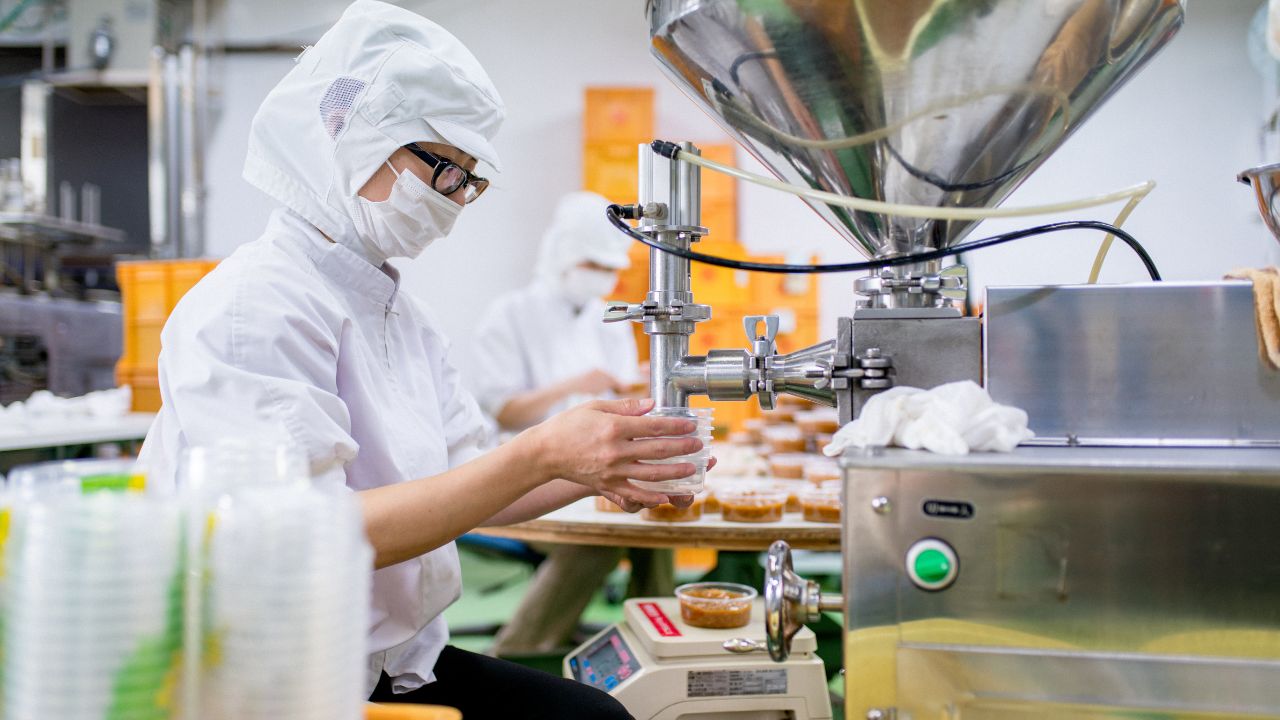
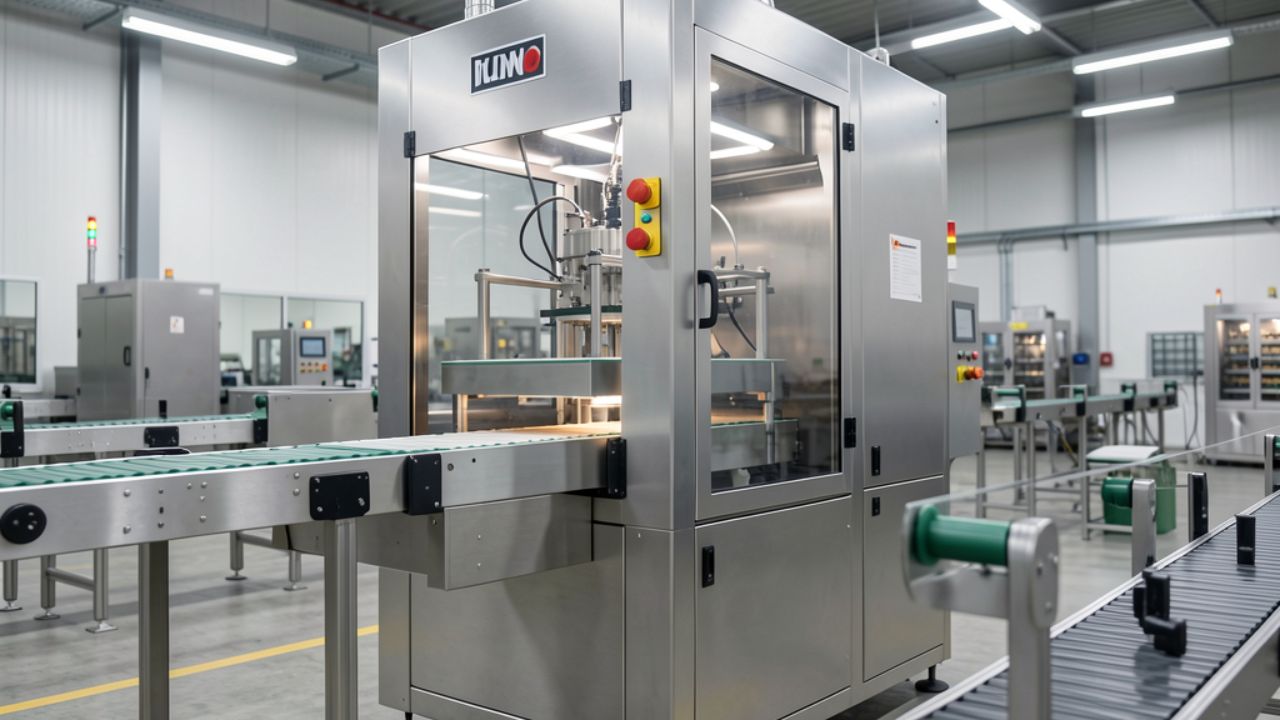
Multi-SKU production demands require labeling equipment capable of rapid format changes without sacrificing throughput or quality. Modern manufacturers handling diverse product portfolios face constant pressure to minimize changeover time while maintaining label application efficiency across all SKUs. Quick changeover systems address this challenge by integrating servomotor technology, recipe-based software, and modular construction that transforms traditional hour-long format changes into streamlined 15-minute procedures.
The shift toward quick changeover capabilities reflects broader industry trends in automation and operational efficiency. Consumer demand for product variety continues to expand while competitive pressures force manufacturers to reduce downtime and increase production flexibility. Quick changeover labeling machines deliver measurable improvements in Overall Equipment Effectiveness by eliminating manual mechanical adjustments and enabling operators to execute format changes through pre-programmed recipes.
Key Takeaways
- Quick-changeover labeling systems reduce typical format change times from 60 minutes to 15 minutes using SMED principles
- Servomotor-driven technology with recipe-based software eliminates manual adjustments and enables one-touch parameter control
- GMP-compliant machines require stainless steel construction with self-draining surfaces and tool-free modular disassembly
- IoT sensors and predictive maintenance systems reduce unscheduled downtime while automating compliance documentation
- Investment costs range from $30,000 for semi-automatic systems to $300,000+ for integrated high-speed lines
What Is Quick Changeover and Why Is It Critical for Multi-SKU Labeling?
Definition and Purpose of Quick Changeover
Quick changeover refers to systematic methods that minimize the time required to switch production equipment between different product formats. Single-Minute Exchange of Die principles reduce changeover times by converting internal setup tasks into external tasks performed while machines continue running. Quick changeover systems have reduced typical changeover times from 60 minutes to 15 minutes, representing a 75% reduction in non-productive downtime.
These time savings directly impact production capacity by allowing manufacturers to run smaller batch sizes economically. Reduced changeover time enables greater SKU variety without proportional increases in labor costs or equipment investment.
Challenges in Multi-SKU Labeling Operations
Multi-SKU operations face significant integration challenges with legacy equipment that relies on manual mechanical adjustments for format changes. Software system complexity requires specialized operator training to manage recipe parameters and troubleshoot automation failures effectively. New sustainable materials may be more delicate and challenging to handle, requiring careful tension control and positioning adjustments during label application.
These challenges compound when manufacturers attempt to maintain high throughput across product lines with varying container sizes and label specifications. Bottle labeler machine configurations must accommodate format changes without compromising speed or accuracy.
Impact on Operational Efficiency and Downtime Reduction
Overall Equipment Effectiveness measures machine performance efficiency by combining availability, performance rate, and quality into a single metric. Quick changeover directly improves OEE by reducing planned downtime associated with format changes and product transitions. Unscheduled downtime from equipment failures creates additional production losses that erode profitability and customer satisfaction.
Manufacturers implementing quick changeover systems report measurable improvements in production flexibility and reduced Work-in-Progress inventory requirements. The ability to execute rapid format changes enables just-in-time production strategies that minimize storage costs.
What Are the Key Features of Modern Quick Changeover Labeling Machines?
Servomotor-Driven Technology and Recipe-Based Software
Servomotor-driven technology in quick-changeover labelers eliminates manual mechanical adjustments by enabling precise electronic control of all positioning and tension parameters. Recipe-based software systems with HMI interfaces store pre-programmed settings for each product SKU in digital format. Operators select pre-programmed recipes via HMI, triggering automatic format changes without requiring technical knowledge or mechanical skill.
The machine automatically adjusts tension, positioning, and speed parameters to match stored recipe specifications within seconds of operator selection. This automation reduces human error and ensures consistent label placement across production runs.
Ergonomic and Modular Machine Designs
Modular designs allow rapid, tool-free disassembly of product-contact parts for cleaning and format changes between production runs. Clean-Out-of-Place procedures involve rapid, tool-free disassembly of product-contact parts to maintain hygienic standards without extended downtime. Ergonomic machine layouts without traditional tables improve operator access to critical adjustment points and reduce physical strain.
These design features support multi-SKU operations by minimizing the physical effort and technical expertise required for format changes. Modular components can be quickly swapped to accommodate different container types or label specifications.
Supported Labeling Modes and Flexibility
Modern quick-changeover systems support wrap-around and front-and-back labeling modes on single-line configurations without requiring separate machines. This flexibility enables manufacturers to handle diverse product portfolios using consolidated equipment footprints that reduce capital investment requirements. Jar labeling machines choosing between wrap-around and front-back labels becomes simpler when the equipment supports multiple application modes.
Multi-mode capability eliminates the need for dedicated labeling lines for each product category or format type. Manufacturers can respond quickly to changing market demands without significant equipment reconfiguration.
How Do Quick Changeover Machines Align with Compliance and Hygienic Design?
GMP Standards Relevant to Labeling Equipment
Good Manufacturing Practices are established by the FDA under 21 CFR Part 117 to ensure food safety and prevent contamination. GMP dictates stringent requirements for sanitary design and cleanability of food processing equipment, including labeling machines that contact product surfaces. The Pharmaceutical Packaging GMP requirements machine qualification guide provides detailed validation protocols for ensuring equipment meets regulatory standards.
Compliance documentation requires manufacturers to demonstrate proper cleaning procedures and maintain detailed records of sanitation activities. Quick-changeover systems must incorporate hygienic design features that enable rapid cleaning without compromising sanitation effectiveness.
Hygienic Construction Materials and Cleanability
Stainless steel types SUS 304 or 316L used for GMP-compliant machines provide corrosion resistance and smooth surfaces that prevent microbial growth. Minimum 3-degree slope required for self-draining surfaces to ensure liquids do not accumulate in areas that could harbor contamination. Dead zones are areas where product or moisture can accumulate, creating potential contamination risks that hygienic design eliminates through radiused corners and seamless construction.
Clean-in-place designs for enhanced hygiene enable automated cleaning cycles that reduce manual intervention and associated contamination risks. These features become critical in multi-SKU operations where frequent format changes increase contamination exposure.
Modular Components for Rapid Disassembly
Tool-free modular construction enables operators to quickly remove product-contact components for thorough cleaning between production runs of different SKUs. Rapid disassembly supports Clean-Out-of-Place procedures that achieve more thorough sanitation than automated cleaning cycles alone. Quick-release mechanisms reduce the time required for hygienic changeovers while maintaining compliance with GMP sanitation standards.
This modularity directly supports labeling machine changeover efficiency by combining format change capabilities with sanitation requirements in a single procedure. Manufacturers achieve both operational efficiency and regulatory compliance through integrated design approaches.
What Are Best Practices to Minimize Changeover Time on Labeling Lines?
Implementing Single-Minute Exchange of Die (SMED) Principles
SMED methodology systematically analyzes changeover procedures to identify tasks that can be performed while the equipment continues running. Converting internal tasks to external tasks reduces downtime by enabling preparation activities before machine shutdown for format changes. Standardized procedures ensure consistent execution across operators and shifts, eliminating variation that extends changeover duration.
Documentation of quick changeover tips should include visual work instructions that guide operators through optimized sequences for each product transition. Continuous improvement processes identify additional opportunities to streamline procedures over time.
Operator Training and Recipe Management
Comprehensive operator training programs ensure personnel understand HMI interfaces and recipe selection procedures for each SKU in production rotation. Recipe management protocols require validation of parameter settings before saving to prevent errors that compromise label quality or equipment function. Regular refresher training maintains competency as equipment capabilities expand or product portfolios change.
Effective training reduces operator hesitation during format changes and builds confidence in using automated changeover features. Standardized training materials create consistency across shifts and facilities.
Maintenance and Calibration Strategies
Smart sensors detect wear and tear on critical components before failures occur, enabling proactive replacement during planned downtime. Systems schedule maintenance during planned downtime to avoid unscheduled interruptions that disrupt production schedules and customer commitments. A packaging equipment maintenance checklist prevents costly downtime and provides systematic approaches to preventive maintenance.
Regular calibration ensures label placement accuracy remains within specifications across all SKUs and production runs. Documented maintenance procedures support both equipment reliability and GMP compliance requirements.
How Does Automation and Integration Enhance Quick Changeover Efficiency?
Role of IoT Sensors and Real-Time Monitoring
IoT-enabled sensors and vision inspection systems provide continuous monitoring of label placement accuracy and equipment performance throughout production runs. Systems monitor machine performance in real-time, alerting operators to deviations that could indicate developing problems before quality issues occur. Cybersecurity risks with IoT integration require robust network security protocols to protect production data and prevent unauthorized access.
Predictive maintenance for packaging equipment IoT sensor implementation guide explains how sensor networks transform maintenance strategies from reactive to proactive approaches. Real-time monitoring enables immediate response to performance anomalies that could extend changeover time.
Software Integration for Recipe and Parameter Control
Centralized recipe management systems enable operators to access format specifications from any networked HMI station across production facilities. Software integration links labeling equipment with upstream filling and downstream case packing systems to coordinate format changes across entire packaging lines. Automated parameter adjustments eliminate manual data entry errors that could compromise label quality or equipment safety.
The role of automation in modern packaging equipment extends beyond individual machines to encompass entire production ecosystems. Integrated control systems optimize multi-SKU operations by synchronizing equipment across process stages.
Predictive Maintenance and Compliance Tracking
Predictive algorithms analyze sensor data patterns to forecast component failures weeks before actual breakdowns occur, enabling scheduled replacements. Automated compliance tracking systems generate required GMP documentation without manual record-keeping that consumes operator time and introduces transcription errors. Historical performance data support continuous improvement initiatives by identifying recurring issues that extend changeover duration.
Digital compliance records simplify audit preparation and demonstrate consistent adherence to regulatory requirements. Automated documentation reduces administrative burden while improving record accuracy.
What Are the Cost Considerations for Investing in Quick Changeover Labeling Machines?
Comparing Budget, Mid-Range, and Premium Options
Budget GMP machines range from $50,000 to $100,000 while premium systems cost $250,000 to $500,000 or more, depending on automation level. Budget labeling equipment starts at $30,000 to $75,000 for semi-automatic systems compared to premium integrated lines at $150,000 to $300,000 or higher. Budget automation packages cost $20,000 to $50,000 for basic sensor integration versus premium plant-wide networks at $150,000 to $500,000 or more.
Price differences reflect variations in speed capabilities, automation sophistication, and hygienic design features across equipment tiers. Budget systems may require more manual intervention during changeovers compared to fully automated premium options.
Balancing Upfront Costs Against Long-Term ROI
70.5% of respondents cited cost reduction and ROI as primary focus when evaluating packaging machinery investments according to industry surveys. Return on investment calculations must account for reduced downtime, increased production capacity, and lower labor costs enabled by quick changeover capabilities. Premium equipment often delivers faster ROI through higher throughput and reduced operating costs despite elevated purchase prices.
Total cost analysis should project savings over the equipment lifecycle rather than focusing exclusively on initial capital requirements. Flexible financing options help manufacturers access advanced technology without prohibitive upfront expenditures.
Hidden Costs: Training, Maintenance, and Energy Consumption
Total Cost of Ownership includes hidden costs like energy consumption, operator training, and maintenance that continue throughout the equipment lifecycle. Higher initial capital investment required for GMP-compliant machines often delivers long-term savings through reduced contamination risks and product recalls. Rigorous validation processes needed during installation add project costs but ensure regulatory compliance from production startup.
Energy-efficient servomotor technology reduces operating costs compared to pneumatic systems while delivering superior precision and control. Training investments pay dividends through improved operator competency and reduced changeover times.
How Do Industry Trends Influence the Adoption of Quick Changeover Labeling Systems?
Growth in Multi-SKU Production Demands
The global packaging machinery market, valued at $59.30 billion in 2024, continues expanding, driven by consumer demand for product variety. The market, projected to reach $80.96 billion by 2030, reflects sustained investment in flexible production equipment capable of handling diverse SKUs. Labeling equipment represents $6.84 billion currently, with forecast growth to $11.36 billion and 5.8% CAGR through 2030.
Emerging trends in packaging machinery for the food and beverage industry highlight how consumer preferences drive equipment innovation and adoption. Growing SKU counts require labeling systems that accommodate format changes without proportional increases in downtime.
Shift Toward Sustainable Packaging Materials
Paper-based or compostable films as sustainable materials present handling challenges that require careful tension control and application precision. Quick changeover systems must accommodate these delicate materials without sacrificing production speed or label quality across format changes. Material flexibility becomes critical as manufacturers transition away from traditional plastic films toward environmentally responsible alternatives.
Automating jar packaging from filling to sealing to labeling demonstrates how integrated systems handle diverse materials throughout packaging processes. Equipment must adapt to evolving sustainability requirements without requiring complete replacement.
Increasing Regulatory and Consumer Quality Expectations
Quality is defined by buyers as robust, reliable machinery that operates precisely according to specifications while remaining easy to maintain. Regulatory agencies continue tightening safety standards for food contact equipment, requiring manufacturers to demonstrate compliance through documented validation procedures. Consumer expectations for consistent label placement and appearance across all SKUs drive investments in precision labeling technology.
These combined pressures accelerate the adoption of advanced quick-changeover systems that deliver both regulatory compliance and operational excellence. Manufacturers cannot afford equipment that compromises either quality or efficiency in competitive markets.
Strategies for Optimizing Quick Changeover for Labeling Machines in Multi-SKU Operations
Successful quick changeover implementation requires systematic integration of technology, training, and process optimization across production operations. Manufacturers should begin by documenting current changeover procedures to establish baseline metrics and identify specific improvement opportunities. SMED analysis reveals which tasks can be converted from internal to external activities performed while the equipment continues running.
Recipe-based software systems deliver maximum value when operators receive comprehensive training on HMI interfaces and parameter management protocols. Standardized work instructions ensure consistent execution across shifts while reducing reliance on individual operator knowledge. Regular performance reviews identify recurring challenges that indicate opportunities for additional equipment modifications or procedure refinements.
Wolf-Packing Machine Company designs labeling systems specifically for manufacturers facing the challenges of scaling production across growing product portfolios. Our veteran-owned team provides lifetime support to ensure your equipment maintains 98% uptime while delivering the flexibility required for multi-SKU operations. Quick changeover capabilities directly support the 12-month ROI payback periods our customers achieve through reduced downtime and increased production capacity.
Ready to Cut Labeling Changeover Times Across Every SKU?
Wolf Packing Machine Company builds labeling systems and precision-driven vertical form fill seal machine configurations for food, supplement, and pharmaceutical manufacturers who need faster format changes without sacrificing accuracy or compliance. Our American-made, veteran-engineered equipment combines servomotor precision, recipe-based software, and tool-free modular construction to reduce changeover time by up to 75%. With lifetime support from our U.S.-based team, your line stays productive shift after shift. Contact a Wolf Packing packaging specialist to find the right solution for your multi-SKU operation.