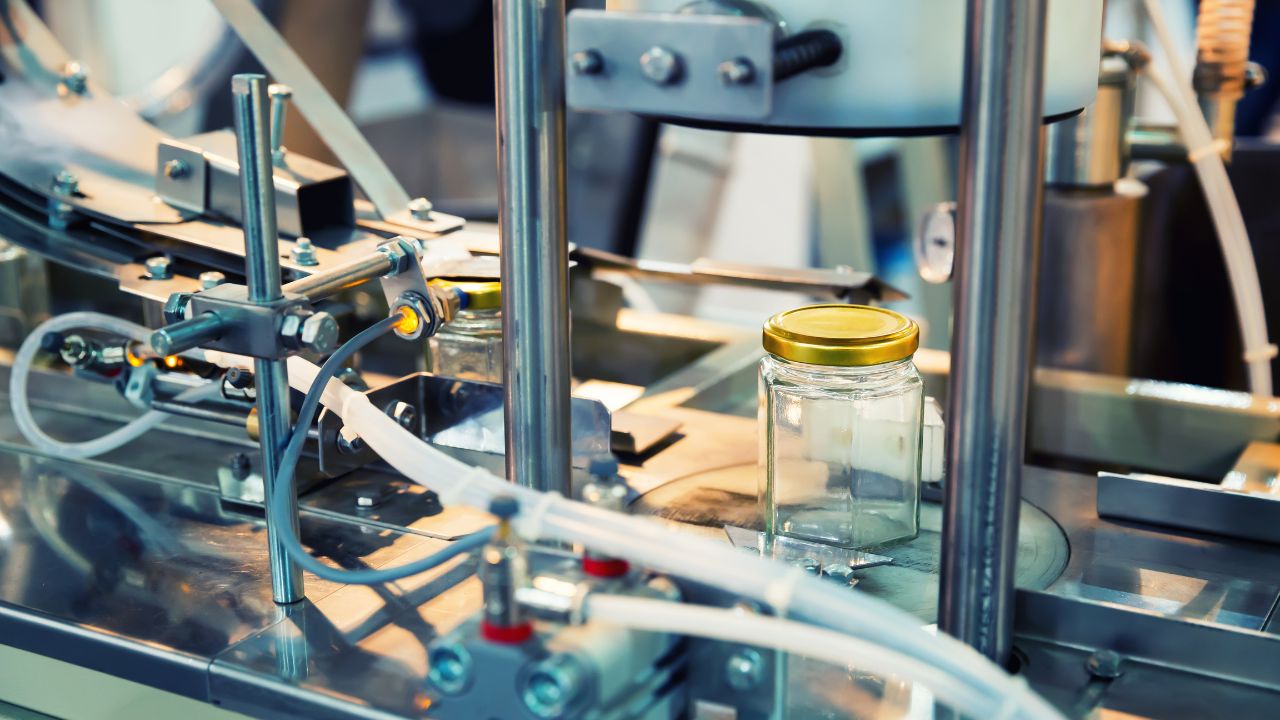
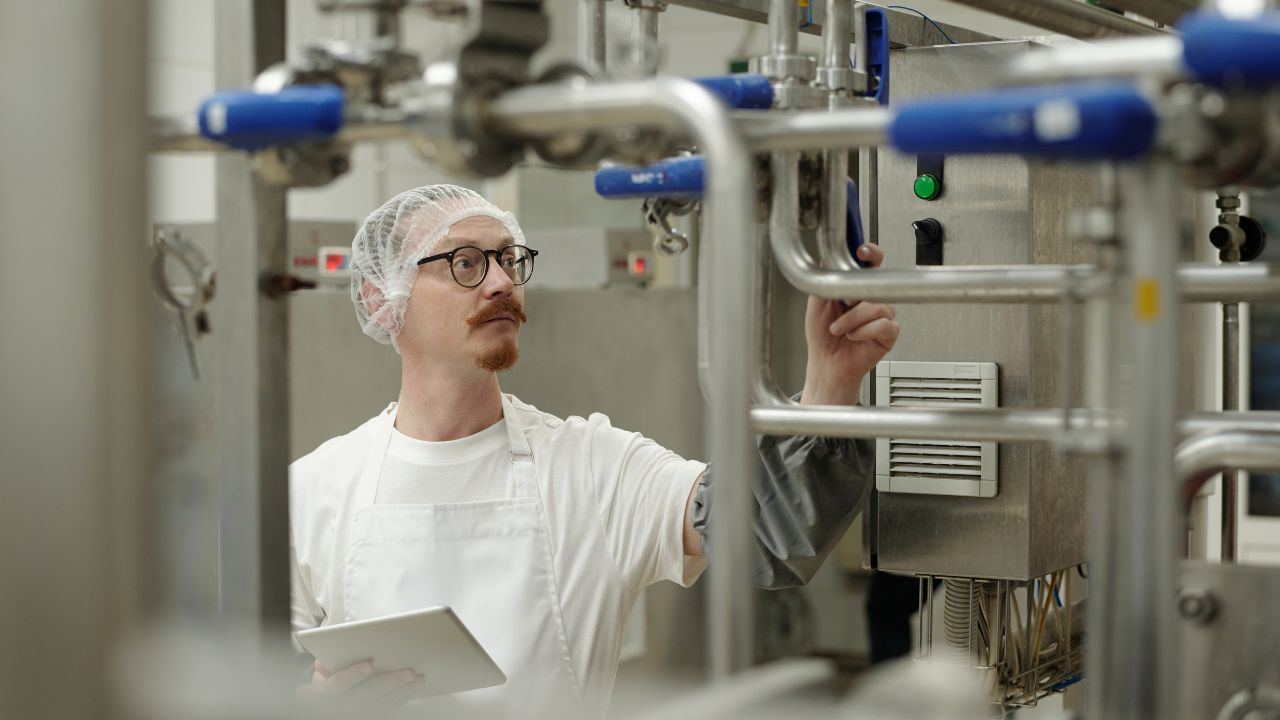
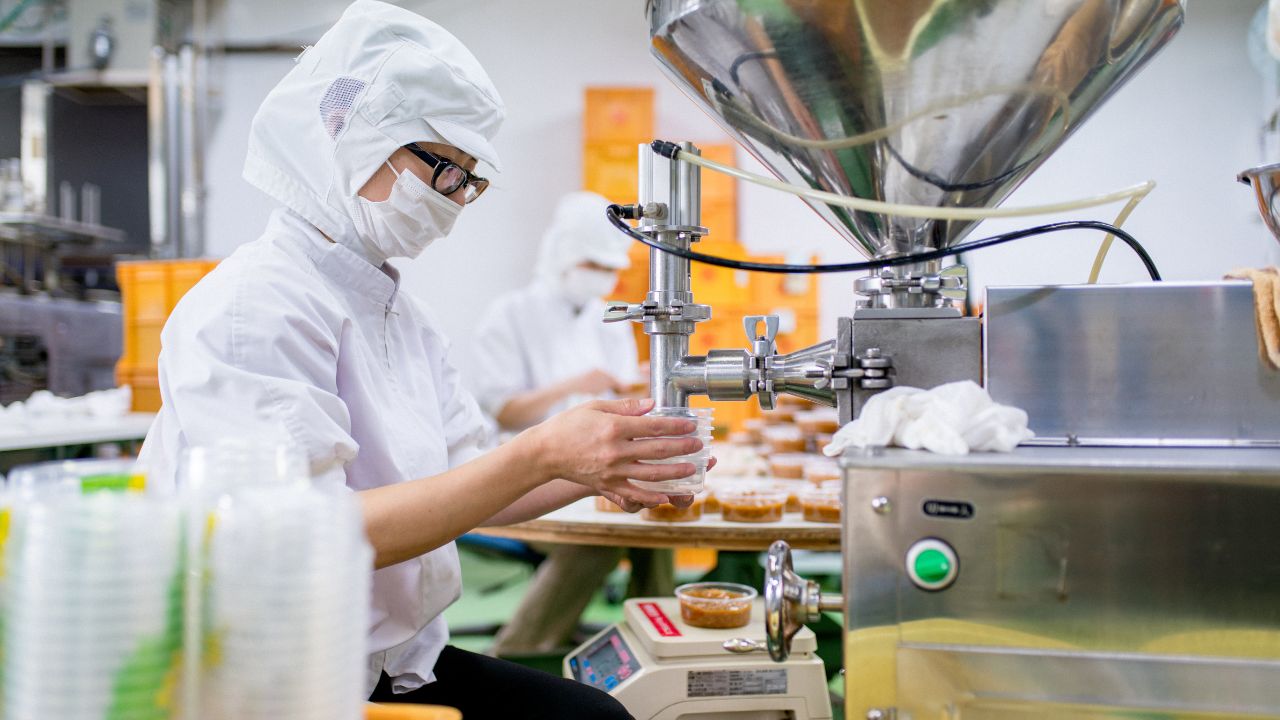
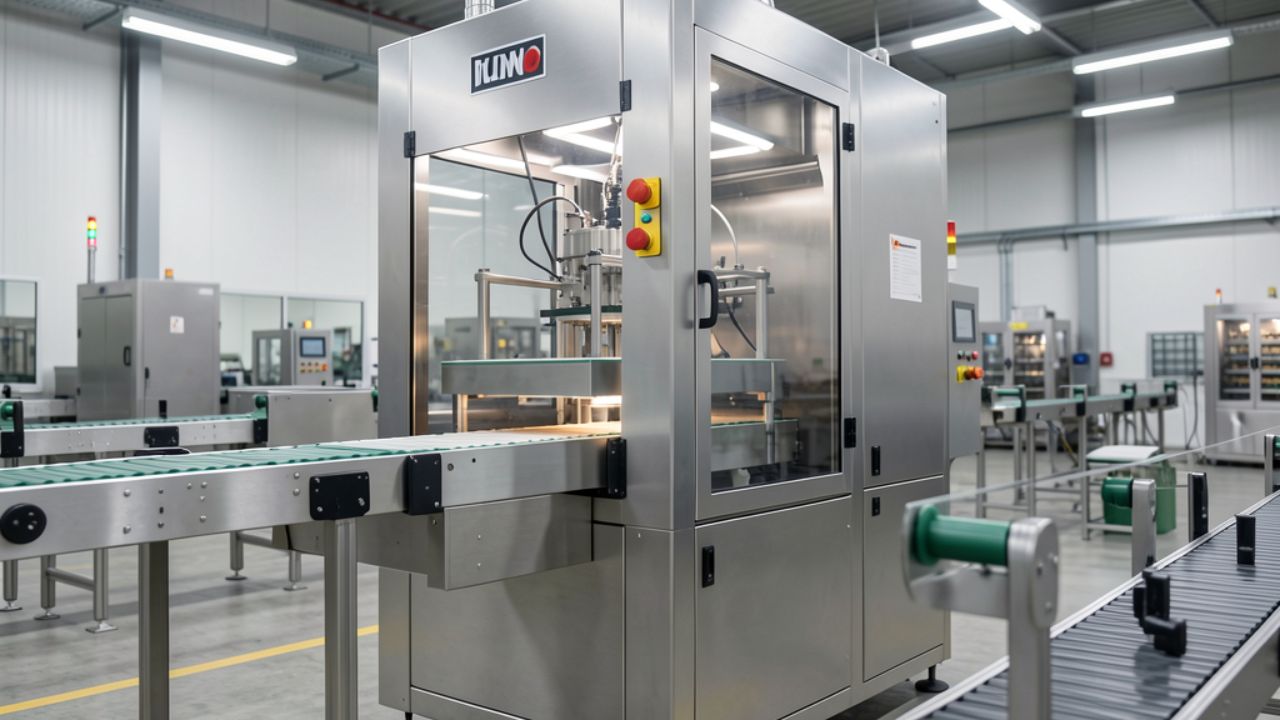
Selecting compatible jar types for automated sealing and labeling directly impacts production efficiency and operational costs. Manufacturers must evaluate material properties, design features, and closure compatibility to ensure seamless equipment integration across packaging lines. Understanding how different jar characteristics interact with sealing technologies and labeling methods enables manufacturers to optimize throughput while maintaining consistent product quality. This guide examines material comparisons, design considerations, sealing technologies, labeling methods, consumer preferences, cost factors, and integration strategies to support informed packaging decisions.
Key Takeaways
- Plastic jars represent 47.1% of the material market, while glass offers premium positioning and infinite recyclability
- Round jars with continuous thread finishes are automated most efficiently compared to square or irregular shapes
- Induction sealing machines create hermetic seals in 200 milliseconds and represent a USD 2.51 billion market by 2034
- Pressure-sensitive labels capture 40.70% of revenue share due to automation compatibility and application speed
- Automated labeling systems deliver 6-8 months of ROI through reduced labor costs and improved placement accuracy
What Are the Main Jar Materials Used in Automated Packaging?
Plastic and glass represent the two dominant materials for automated jar packaging systems. Plastic jars dominate market share while glass provides premium positioning for specific product categories.
How Do Plastic and Glass Jars Compare for Automation?
Plastic jars captured 47.1% of the material mix in 2024 due to lightweight construction and cost advantages. Glass containers triple or quadruple freight costs compared to plastic due to weight differences. Plastic jars offer greater flexibility for high-speed automation, while glass provides superior barrier properties for sensitive products. Glass containers require specialized handling equipment to prevent breakage during automated sealing and labeling processes.
What Are Common Jar Shapes and Their Impact on Automation?
Round jars with continuous thread finishes automate most easily versus square or uniquely shaped containers. Square or uniquely shaped containers often require specialized pucks or handling equipment during labeling and sealing processes. Manufacturers should standardize container shapes, preferably round, across product lines to minimize changeover times. Continuous thread finishes provide consistent cap application torque for automatic capping machines operating at high speeds.
Which Closure Types Are Most Compatible with Jar Materials?
Screw closures captured 47.12% of unit shipments in 2025 across automated packaging applications. Dispensing caps accounted for 35.29% of global revenue share in 2025 due to consumer convenience preferences. Compression molding accounts for 51.21% of the revenue share for closure manufacturing processes. Standard polypropylene screw caps cost approximately USD 0.08 per unit compared to USD 0.12 for flip-top closures.
How Does Jar Design Affect Automated Sealing and Labeling?
Jar design features determine automation compatibility and influence line speed capabilities. Specific design elements facilitate or hinder efficient sealing and labeling operations.
What Jar Features Facilitate Efficient Label Application?
Smooth cylindrical surfaces without interruptions allow consistent label placement during high-speed automated operations. Sufficient label panel area enables proper adhesive contact for pressure-sensitive materials without overlap. Manufacturers implementing jar labeling systems should specify minimum radius requirements to prevent label distortion. Clear glass or transparent plastic permits visual quality verification after label application.
How Do Jar Threads and Finishes Affect Sealing Compatibility?
Continuous thread finishes provide uniform torque distribution during automated cap application processes. Standardized finish dimensions ensure compatibility with multiple closure types across different production runs. Thread specifications must align with cap designs to prevent cross-threading during high-speed operations. Proper finish tolerances reduce rejection rates and maintain consistent sealed jar packaging integrity.
Which Jar Designs Require Specialized Handling in Automation?
Irregular shapes and non-cylindrical profiles require custom pucks or fixtures for stable conveyor transport. Wide-mouth jars demand adjusted gripper configurations during automated transfer between processing stations. Oval or square cross-sections need precision alignment systems to ensure accurate label positioning. Specialized handling equipment increases initial investment costs but enables automation for unique jar geometries.
What Sealing Technologies Are Best Suited for Different Jar Types?
Different sealing technologies address specific jar types for sealing requirements based on material composition. Selection depends on barrier requirements, production speed targets, and product characteristics.
How Does Induction Sealing Work with Glass and Plastic Jars?
Induction sealing uses an electromagnetic field to heat a foil liner inside a cap without direct contact. Advanced induction solutions can melt foil seals in 200 milliseconds, enabling exceptional throughput rates. The induction sealing machine market reached USD 1.4 billion in 2024 and projects 6.0% CAGR growth to USD 2.51 billion by 2034. Handheld induction sealer segments project 8.5% CAGR growth, reaching USD 2.5 billion by 2033.
Induction sealing is not suitable for certain plastic types without proper liners designed for electromagnetic heating. Glass jars accommodate induction sealing effectively due to their heat resistance and dimensional stability. Induction sealer machines provide tamper-evident product protection across food, pharmaceutical, and cosmetic applications.
When Is Heat Sealing Preferred for Jar Applications?
Heat sealing utilizes high pressure and temperatures up to 250°C for flexible materials like foils and films. Heat sealing generally operates faster and requires lower equipment costs than induction sealing alternatives. Direct contact with packaging material enables strong bonds for multilayer film structures. This method suits applications requiring hermetic seals for extended shelf life without induction liner compatibility.
What Advantages Does Ultrasonic Sealing Provide?
Ultrasonic sealing uses high-frequency vibrations to soften plastic at the molecular level, creating permanent bonds. Ultrasonic sealing requires less material and results in less waste compared to other methods. This technology seals through product residue, making it ideal for food and cosmetics manufacturing environments. Molecular bonding creates leak-proof seals without adhesives or additional consumable materials.
Which Labeling Methods Are Compatible with Automated Jar Packaging?
Multiple labeling technologies support automated jar packaging with varying speed and cost characteristics. Method selection depends on label design, production volume, and aesthetic requirements.
What Role Do Pressure-Sensitive Labels Play in Jar Labeling?
Pressure-sensitive labels dominate the market with 40.70% revenue share due to automation compatibility. These labels apply quickly without heat activation, supporting line speeds exceeding 200 containers per minute. Automated labeling equipment valued at USD 4.96 billion in 2025 is expected to grow to USD 7.01 billion by 2030. The tagging machines market is projected to reach a USD 8.7 billion valuation by 2027 across industrial applications.
How Are Shrink and Stretch Labels Applied to Jars Automatically?
Shrink labels account for 25% market share, while stretch labels represent 18% of automated applications. Shrink labels conform to irregular jar shapes through controlled heat tunnel application processes. Stretch labels eliminate heat requirements by using elastic film properties for 360-degree coverage. Both methods enable full-body decoration for enhanced shelf appeal compared to traditional panel labels.
What Automation Solutions Exist for High-Volume Labeling?
Budget manual label makers start at USD 25 for small-scale operations with limited throughput requirements. Semi-automatic applicators range from USD 800 to USD 2,500 for mid-volume production environments. Fully automatic industrial labeling lines cost USD 5,000 to USD 50,000, depending on speed and integration capabilities. Companies implementing reducing label placement errors technologies report significant quality improvements and decreased rejection rates.
How Do Consumer Preferences Influence Jar Choice for Automation?
Consumer preferences drive material selection and closure design decisions for automated packaging operations. Understanding demographic trends helps manufacturers align jar specifications with market demand.
What Sustainability Trends Affect Jar Material Selection?
77% of consumers consider recyclability extremely important or very important when evaluating packaging sustainability. 90% of Gen Z and Millennials report willingness to pay more for sustainable packaging solutions. 73% of consumers prefer glass over plastic and aluminum alternatives when educated on infinite recyclability. 92% of respondents would feel positively toward companies offering more glass packaging options.
West Coast regions exhibit 40% higher demand for sustainable packaging compared to national averages. Manufacturers evaluating glass vs plastic jar filling lines must balance sustainability preferences with operational cost considerations.
How Does Consumer Demand for Convenience Impact Closure Types?
62% of consumers indicate resealability influences their purchase decisions when evaluating packaged products. 61% consider glass's ability to convey better taste as a top reason for purchasing. Tethered caps project 3.67% CAGR expansion through 2031, driven by regulatory mandates. California's Senate Bill 459 requires beverage closures to remain attached after opening by January 2028.
What Demographic Factors Influence Jar Packaging Preferences?
Urban consumers demonstrate 65% recycling participation rates compared to suburban 58% and rural 55%. 57% of households with children avoid plastic packaging versus 37% of households without children. Older generations show a lower willingness to pay premiums compared to younger generations for sustainable packaging. These demographic variations require manufacturers to segment jar specifications by target market geography and consumer profiles.
What Are the Cost and ROI Considerations for Automated Jar Packaging?
Material selection and automation investment decisions directly impact production costs and profitability metrics. Understanding cost structures enables accurate ROI calculations for equipment purchases.
How Does Jar Material Affect Overall Packaging Costs?
Standard 8oz plastic jars cost USD 0.15 per unit compared to USD 0.45 for comparable glass jars. Glass containers triple or quadruple freight costs due to weight compared to plastic alternatives. Standard polypropylene screw caps cost approximately USD 0.08 per unit for basic applications. Flip-top closures cost USD 0.12 per unit while child-resistant caps cost USD 0.15 per unit.
What Are Typical Equipment Costs for Sealing and Labeling Jars?
Manual sealers are available for approximately USD 300 for low-volume production requirements. Semi-automatic sealing models range from USD 800 to USD 1,500 for mid-scale operations. Fully automatic induction sealing systems designed for high-volume operations typically start around USD 8,000. Semi-automatic labeling applicators range from USD 800 to USD 2,500, depending on speed specifications.
How Can Automation Investment Impact Production Efficiency?
FlexPAC automated solution achieved 45 envelopes per minute throughput, exceeding the 40 target specification. FlexPAC clients achieved full ROI within 6-8 months, surpassing their one-year goal expectations. Automated systems reduce labor costs significantly by minimizing manual intervention during packaging operations. Enhanced placement accuracy eliminates rejected shipments caused by inconsistent manual application methods.
How Can Automation Integration Be Optimized for Jar Packaging?
Successful automation integration requires standardization, supplier collaboration, and quality control protocols. Strategic planning minimizes implementation challenges and accelerates time to full production capacity.
What Standards and Design Practices Support Smooth Automation?
Standardizing container shapes, preferably round, across product lines, minimizes changeover times on automated equipment. Consistent finish dimensions ensure compatibility with multiple closure types across different production runs. Manufacturers should specify minimum label panel area requirements to prevent application complications. Early design validation identifies potential automation challenges before committing to packaging specifications.
How Important Is Early Collaboration with Closure Suppliers?
Engaging closure suppliers early in the packaging design process ensures automated labeling compatibility across systems. Injection-molding tool retrofits for tethered caps cost between USD 80,000 and USD 120,000 per cavity. Early collaboration prevents costly tooling modifications after production lines are already operational. Suppliers provide technical guidance on thread specifications and finish tolerances for optimal automation performance.
What Quality Control Measures Ensure Reliable Sealing and Labeling?
Implementing intelligent in-line control systems ensures consistent quality control throughout packaging operations. Using thermal imaging detects faulty seal seams before products reach distribution channels. Vision systems verify label placement accuracy at line speeds exceeding 200 containers per minute. Automated rejection systems remove defective units without manual intervention, maintaining throughput efficiency.
Jar Types Compatible with Automated Sealing and Labeling: A Synthesis of Material, Design, Technology, Consumer, and Cost Factors
Selecting appropriate jar types for automated sealing and labeling requires balancing material properties, design features, and consumer preferences with cost constraints. Plastic jars offer automation efficiency and cost advantages while glass provides premium positioning and sustainability benefits. Round containers with continuous thread finishes deliver optimal automation compatibility compared to irregular shapes requiring specialized handling. Induction sealing, heat sealing, and ultrasonic technologies each address specific jar materials and product protection requirements. Pressure-sensitive labels dominate automated applications due to speed capabilities and equipment versatility across different container geometries.
Consumer sustainability preferences increasingly favor glass packaging despite higher material and freight costs compared to plastic alternatives. Automated sealing and labeling investments deliver 6-8 month ROI through reduced labor costs and improved quality consistency.
Manufacturers must standardize jar specifications and engage closure suppliers early to optimize equipment integration and minimize changeover times. Quality control systems using thermal imaging and vision verification ensure reliable sealed jar packaging integrity across high-volume production environments.
Wolf-Packing Machine Company provides comprehensive packaging automation solutions tailored to food, beverage, and consumer goods manufacturers. Their U.S.-based support team delivers lifetime service guarantees backed by decades of primary packaging experience.
Ready to Automate Your Jar Packaging Line?
Choosing the right jar type is only half the equation. The other half is having equipment that handles it reliably, at speed, every shift. Wolf Packing Machine Company works with food, supplement, and consumer goods manufacturers across the U.S. to build sealing and labeling systems, high-speed vertical form fill seal machine lines, and complete packaging solutions matched to their specific containers, closures, and production targets. Whether you run round plastic jars at 200 per minute or glass containers with induction-sealed foil liners, Wolf Packing engineers a solution around your line, not the other way around. Contact Wolf Packing today to discuss your packaging requirements and get a custom automation recommendation from our team.