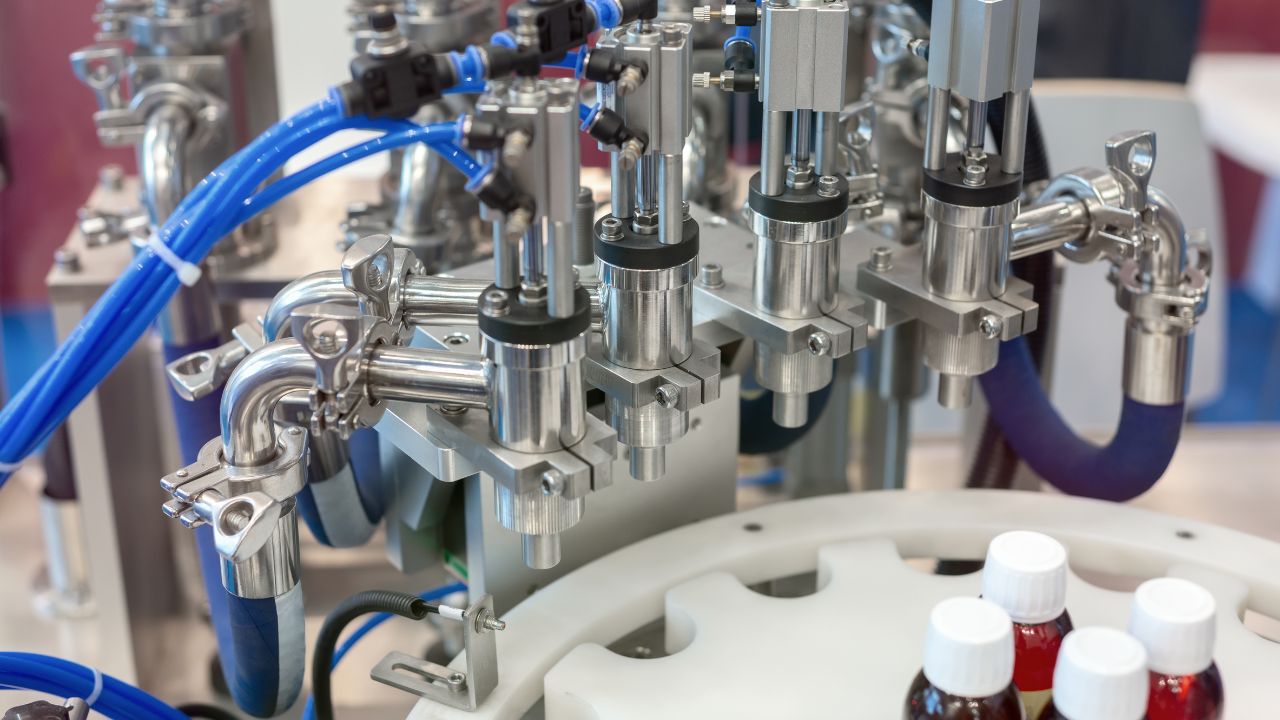
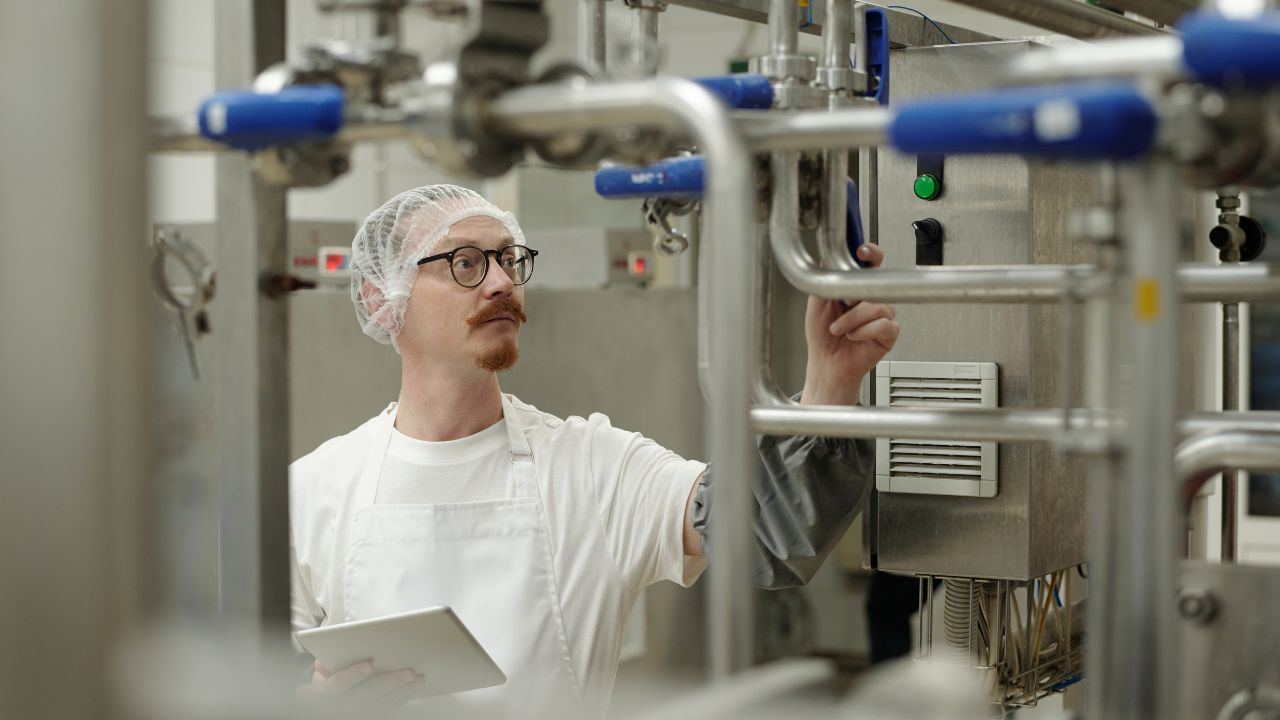
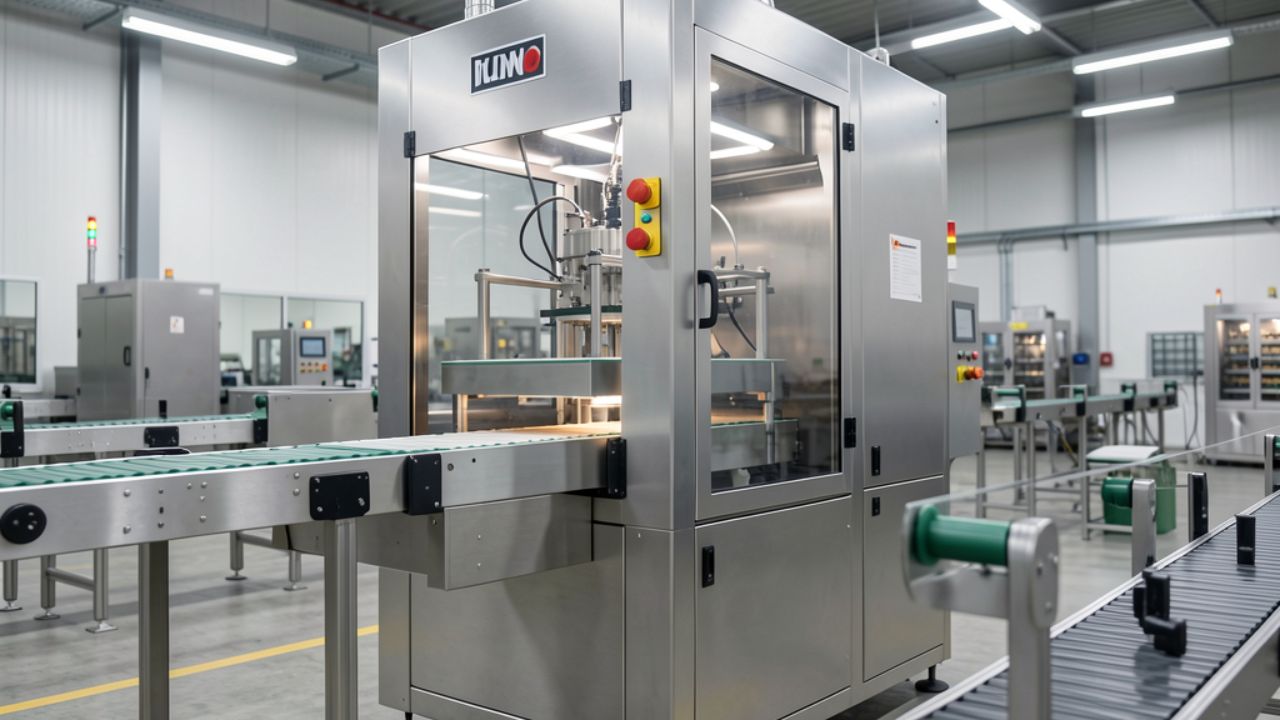
Effective cap selection balances product protection, consumer preferences, and the efficiency of automated packaging lines. The caps and closures market expands from USD 111.01 billion in 2025 to USD 167.41 billion by 2033, driven by safety requirements and convenience features.
This cap selection guide explains how closure compatibility with container designs and bottle capping machines determines production throughput and quality outcomes. Material choices, sealing technologies, and packaging equipment capabilities directly impact capping solutions that satisfy both regulatory requirements and customer satisfaction.
Key Takeaways
- Screw closures dominate with 47.12% market share, while dispensing caps drive 35.29% revenue
- Tethered caps grow 3.67% annually to meet regulatory mandates requiring attached closures by 2028
- Consumer preferences favor glass packaging and sustainable materials across all demographics
- Induction sealing delivers tamper-evident protection in 200 milliseconds without physical contact
- Automation ROI occurs within 6-8 months when standardizing container shapes and closure types
What Are the Main Types of Caps and Closures?
Cap categories serve distinct functional purposes across beverage, food, pharmaceutical, and cosmetic applications. Screw closures captured 47.12% of unit shipments in 2025 due to cost-effectiveness and versatility.
Dispensing caps accounted for 35.29% of global revenue share in 2025. Consumer demand for resealability influences 62% of purchase decisions, making closure functionality a critical driver of customer satisfaction and competitive advantage.
What Are Screw Caps, Flip-Top Caps, and Dispensing Closures?
Screw caps and bottle cappers use threaded engagement to create secure closures for containers across multiple industries. Standard polypropylene screw caps cost approximately USD 0.08 per unit, making them the most economical option.
Flip-top closures cost USD 0.12 per unit and provide single-handed operation. Pump dispensers cost USD 0.25 per unit and deliver controlled product dosing for personal care applications.
How Do Tethered Caps Comply With Regulatory Requirements?
Tethered caps remain attached to container openings after initial activation to reduce environmental litter. California Senate Bill 459 requires beverage closures to remain attached after opening by January 2028.
Tethered caps are projected to expand at 3.67% CAGR through 2031. Injection-molding tool retrofits cost between USD 80,000 and USD 120,000 per cavity for manufacturers transitioning to compliant designs.
What Jar Designs Affect Closure Compatibility?
Jar specifications determine which closure types integrate successfully with automatic capping machines and labeling equipment. The global jars market is projected to reach USD 66.14 billion by 2034 at 3.80% CAGR.
Plastic jars capture 47.1% of the material mix in 2024. Standard 8oz plastic jars cost USD 0.15 per unit while comparable glass jars cost USD 0.45 per unit, with round containers featuring continuous thread finishes proving most automation-compatible.
Which Factors Influence Consumer Preferences for Caps and Packaging?
Consumer behavior shapes packaging design priorities through sustainability concerns and material preferences. Material transparency and recyclability rank among the top factors influencing purchasing decisions across demographic segments.
Packaging choices reflect values related to environmental impact and product quality perception. Regional variations and household composition create distinct preference patterns that manufacturers must address.
How Does Sustainability Shape Buying Decisions?
Recyclability represents a critical decision factor, with 77% of consumers considering it extremely important or very important. Gen Z and Millennials demonstrate the strongest sustainability commitment, with 90% willing to pay premiums.
West Coast markets show 40% higher demand for sustainable packaging compared to national averages. Households with children avoid plastic packaging at 57% rates versus 37% for households without children.
What Are Material Preferences: Glass Vs. Plastic?
Glass packaging receives preferential consumer perception when infinite recyclability information is communicated. When educated on sustainability benefits, 73% of consumers prefer glass over plastic alternatives.
Positive company perception reaches 92% of respondents for brands offering expanded glass packaging options. Taste conveyance capability drives 61% of glass preference, while 66% cite limited availability as the primary barrier.
How Do Demographics Impact Packaging Choices?
Urban consumers demonstrate the highest recycling participation rate at 65%. Suburban consumers show 58% recycling participation, while rural consumers reach 55% participation rates.
Geographic location influences sustainable packaging demand patterns across regional markets. West Coast preference intensity exceeds national benchmarks by significant margins, requiring region-specific packaging strategies.
How Do Sealing Technologies Work and Differ?
Sealing methods protect product integrity through distinct mechanical and thermal processes. Technology selection depends on container material, production speed, and required seal strength.
Each sealing approach offers specific advantages for particular product categories and container designs. Performance characteristics vary significantly across induction, heat, and ultrasonic methods.
What Is Induction Sealing and Its Advantages?
Induction sealing uses electromagnetic fields to heat foil liners inside caps without physical contact. Direct heating induction sealer machines melt foil seals without touching container surfaces.
Advanced direct heating can melt foil seals in 200 milliseconds. The induction sealing machine market, valued at USD 1.4 billion in 2024, is set to grow at 6.0% CAGR to reach USD 2.51 billion by 2034.
How Do Heat Sealing and Ultrasonic Sealing Compare?
Heat sealing utilizes high pressure and temperatures up to 250°C for flexible materials. This method proves generally faster than induction sealing and requires lower equipment costs.
Ultrasonic sealing uses high-frequency vibrations to soften plastic at the molecular level. This technology requires less material and results in less waste than conventional heat sealing.
What Are Performance Metrics for Sealing Methods?
Seal strength determines product protection during distribution and storage cycles. Testing protocols include 1.2-meter drop tests for e-commerce distribution requirements.
Cycle time affects production throughput and labor efficiency. Induction sealing achieves 200-millisecond seal completion while heat sealing delivers faster processing for flexible film applications.
What Are Key Considerations When Matching Caps to Products?
Product protection requirements drive closure selection across regulated and consumer product categories. Safety features, compatibility specifications, and automation capabilities determine optimal cap choices.
Material interaction between closures and container finishes affects the packaging process, seal integrity and production reliability. Standardization decisions impact changeover efficiency and equipment utilization rates.
How Does Product Protection and Safety Influence Closure Choice?
Child-resistant caps cost USD 0.15 per unit and meet regulatory requirements for pharmaceutical applications. Safety features add manufacturing complexity but provide essential protection for hazardous products.
Resealability influences 62% of consumer purchase decisions across food and beverage categories. Distribution testing includes 1.2-meter drop tests to verify seal integrity throughout e-commerce fulfillment.
What Compatibility Issues Exist Between Containers and Caps?
Thread specifications must match between container finishes and closure designs. Continuous thread finishes provide consistent engagement for bottle capping machines and inline capping machine configurations across production runs.
Material compatibility prevents chemical interaction between products and closure components. Certain plastic types require specialized liners for induction sealing applications to achieve hermetic seals.
How Does Automation Impact Cap Selection?
Standardizing closure types across product lines minimizes changeover times on packaging line automation equipment. Round containers with uniform thread finishes process more reliably than square or uniquely shaped alternatives.
Early supplier engagement during packaging design ensures selected caps function efficiently with high-speed sorting equipment. Cap orientation features and handling characteristics determine maximum achievable line speeds.
How Are Labeling and Sealing Integrated in Packaging Automation?
Label application methods vary by container geometry and production requirements. Pressure-sensitive, shrink, and stretch labels each require distinct application equipment and process controls.
Automation integration combines labeling, sealing, and quality verification into synchronized production systems. Equipment coordination reduces manual intervention while improving placement accuracy and throughput.
What Label Application Methods Are Most Common?
Pressure-sensitive labels require pressure application to adhere to container surfaces. This method dominates the market with 40.70% revenue share across packaging categories.
Shrink labels account for 25% revenue share and contract when heated. Stretch labels are stretched over containers and rely on material elasticity to maintain position.
How Does Automation Improve Efficiency and Accuracy?
FlexPAC automated solutions achieved 45 envelopes per minute throughput in manufacturing applications. Labor cost reduction and placement consistency eliminate rejected shipments from inconsistent manual operations.
Intelligent in-line control systems, such as thermal imaging, detect defective seals during production. FlexPAC achieved ROI within 6-8 months, surpassing one-year investment goals.
What Are Challenges With Non-Standard Container Shapes?
Square or uniquely shaped containers often require specialized pucks during automating jar packaging and labeling processes. Custom handling equipment increases changeover complexity and equipment costs.
Standardizing container shapes, preferably round, across product lines, reduces equipment modification requirements. Continuous thread finishes provide consistent automation performance compared to specialty closure designs.
What Are Cost and ROI Implications of Cap and Machine Selection?
Packaging machines and bottle capping equipment cover investment levels from manual tools to fully automated production systems. Material choices between plastic and glass containers create threefold cost differences affecting overall packaging budgets.
Closure complexity adds incremental unit costs while delivering functional benefits. ROI calculation must account for labor reduction, quality improvement, and throughput gains.
How Do Equipment and Material Costs Compare?
Budget manual label makers start at USD 25 for small-scale operations. Semi-automatic applicators range from USD 800 to USD 2,500 for mid-volume production.
Fully automatic industrial labeling lines cost USD 5,000 to USD 50,000, depending on capabilities. Manual sealers are available for approximately USD 300, while semi-automatic capping machines and sealing models range from USD 800 to USD 1,500.
What Is the Return on Investment for Automated Solutions?
Automated packaging systems achieve payback within 6-8 months through labor cost reduction. Throughput improvements enable revenue growth by increasing production capacity without facility expansion.
Quality consistency eliminates rejected shipments and reduces waste from packaging errors. Long-term operational efficiency gains compound initial investment returns across multi-year equipment lifecycles.
How Does Closure Complexity Affect Pricing?
Standard polypropylene screw caps represent the baseline cost at USD 0.08 per unit. Child-resistant features increase costs to USD 0.15 per unit for safety-critical applications.
Pump dispensers reach USD 0.25 per unit due to mechanical complexity. When selecting between glass vs plastic jar filling lines, closure compatibility affects both material and equipment investment decisions.
How Can Companies Optimize Cap and Capping Machine Choices?
Strategic closure selection requires early collaboration between packaging designers and supplier engineering teams. Standardization decisions made during initial product development determine long-term automation flexibility.
Industry standards provide compatibility frameworks that reduce custom tooling requirements. Regulatory compliance considerations shape closure specifications for pharmaceutical and food applications.
What Are Best Practices for Automation Integration?
Engaging closure suppliers early in packaging design processes ensures automation compatibility. Container and cap specifications should align with high-speed sorting and application equipment capabilities.
Standardizing closure types across product lines reduces changeover times and training requirements. Round container geometries with continuous thread finishes optimize capping machine performance compared to specialty shapes.
How Should Industry Standards and Supplier Collaboration Guide Decisions?
Industry thread standards enable interchangeability between container manufacturers and closure suppliers. Following established specifications reduces custom tooling investments and qualification testing requirements.
Supplier technical support provides application expertise for matching product sealing requirements with closure technologies. Early collaboration identifies potential compatibility issues before production tooling commitments.
What Frameworks Assist in Pharmaceutical and Regulated Sector Selections?
Protection from moisture, oxygen, and light contamination determines closure material selection. FDA compliance requirements eliminate certain materials that risk harmful chemical migration into products.
Container-closure compatibility testing verifies seal integrity under distribution conditions. Performance validation includes 1.2-meter drop tests and accelerated aging studies demonstrating shelf-life protection.
Cap Selection and Compatibility: Balancing Consumer Needs, Product Requirements, and Automation Efficiency
Successful packaging solutions require balancing consumer preferences, product protection, and the efficiency of your packaging lines. Jar packaging essentials demonstrate how closure compatibility with container designs affects automation performance and quality outcomes.
Material transparency and sustainable packaging solutions influence consumer purchasing decisions across demographic segments. Tethered caps and recyclable materials address regulatory mandates while meeting market expectations for environmental responsibility.
Automation integration delivers measurable ROI through labor reduction and quality improvement. Wolf-Packing Machine Company provides engineering partnership throughout the packaging process and system design, ensuring closure selections support production goals, customer satisfaction, and long-term business growth.
Get the Right Bottle Capping Equipment for Your Packaging Lines
Wolf Packing Machine Company is a veteran-owned, American-made packaging equipment manufacturer serving food, supplement, pharmaceutical, and chemical producers across the United States. Our bottle capping machines, semi-automatic capping machines, and inline capping machine solutions are engineered for uptime, fill accuracy, and operator ease. We back every system with US-based parts, lifetime technical support, and an engineering team that answers the phone. From standalone bottle cappers to full packaging lines, we build capping solutions that deliver measurable ROI and protect customer satisfaction at every stage of the packaging process.
Ready to match the right cap to the right capping machine and maximize your packaging line output? Contact our engineering team at Wolf Packing to find the right bottle capping equipment for your packaging machines and production goals.