Flow wrap film selection directly impacts packaging speed, product shelf life, and operational costs. The global BOPP films market reached USD 31.51 billion in 2025, projected to grow to USD 53.01 billion by 2035. Choosing between OPP, BOPP, and laminated films requires balancing barrier properties, machineability, and sustainability against the total cost of ownership for your production line.
Key Takeaways
- BOPP films command 65.58% of the polypropylene packaging market with a superior balance of cost and performance
- OPP films cost USD 1.50 to USD 2.50 per kg, but require coating for heat sealing
- Laminated films provide maximum barrier protection at USD 6.00 to USD 15.00+ per kg, with complex recycling
- VFFS and HFFS systems require different film properties for optimal machineability and automation compatibility
- 90% of consumers prioritize sustainable packaging, though recyclability remains easier with single-material films
What Are the Characteristics of OPP Films?
OPP films provide basic packaging functionality at the lowest material cost. These films serve non-perishable applications where oxygen barrier and structural strength are secondary concerns.
Key Features and Advantages
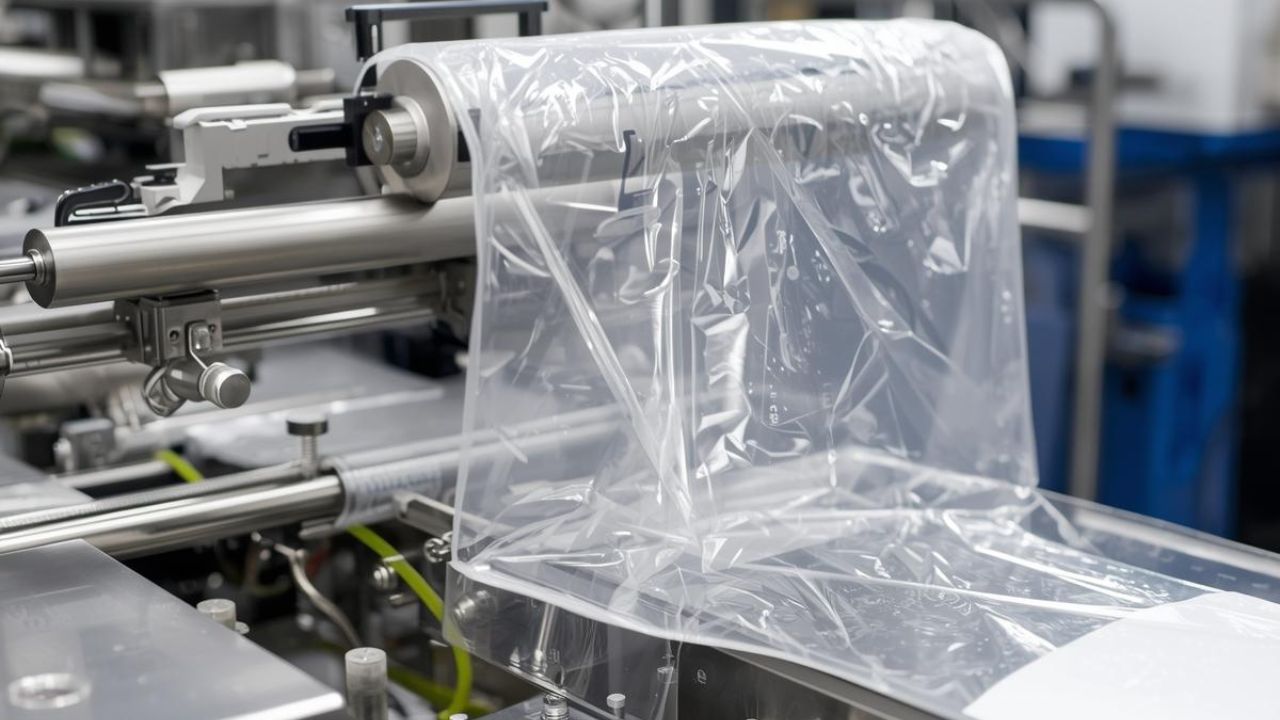
OPP films are stretched in a single direction during the manufacturing process. This uniaxial orientation produces good clarity and high tensile strength along the machine direction. The films offer excellent printability for basic graphics and provide moderate moisture barrier properties. Standard OPP maintains high transparency, making products visible on retail shelves.
Limitations and Cost Considerations
OPP has limited oxygen barrier properties and lower overall strength compared to biaxially oriented alternatives. The material often requires coating for effective heat sealing, adding processing steps. Budget grades range from USD 1.50 to USD 2.50 per kg, positioning OPP as the most economical option. The lower price point makes OPP suitable only for cost-sensitive applications with minimal barrier requirements.
How Do BOPP Films Differ from OPP?
BOPP films dominate commercial packaging through superior mechanical properties and optical clarity. These films balance performance requirements with production economics across diverse applications.
Mechanical and Optical Properties
BOPP films are stretched in both the machine and transverse directions during manufacturing. This biaxial orientation creates exceptional clarity, high stiffness, and excellent resistance to moisture and oxygen. Typical thickness ranges from 15 to 50 microns, depending on application requirements. BOPP films can be brittle at very low temperatures, requiring careful specification for frozen product applications.
Cost and Market Dominance
The BOPP films market was valued at USD 31.51 billion in 2025, projected to reach USD 53.01 billion by 2035 at 5.34% CAGR. BOPP films command 65.58% share of the polypropylene packaging films market due to balanced performance. Standard grades range from USD 3.00 to USD 4.50 per kg, with premium and metalized variants reaching up to USD 8.00 per kg. The price differential reflects superior structural integrity and recyclability as a single-material plastic.
Applications in High-Speed Packaging
BOPP films excel in automated packaging environments requiring consistent film properties and high-speed processing. The material provides optimal performance for flow wrap packaging benefits, including speed, freshness, and shelf appeal. BOPP handles rapid temperature changes during heat sealing without compromising seal integrity. Snacks, confectionery, and dry goods packaging represent the largest application segments for BOPP films.
What Are Laminated Films and Their Uses?
Laminated films combine multiple material layers to achieve barrier properties unattainable with single-substrate films. These engineered structures extend shelf life for sensitive products requiring maximum protection.
Composition and Barrier Properties
Laminated films consist of multiple layers of different materials bonded together through adhesive or extrusion processes. Common laminate examples include BOPP/PE, PET/AL/PE combinations engineered for specific barrier requirements. These films are used for coffee, pharmaceuticals, and retort pouches requiring oxygen and light protection. The lamination films segment is growing at 7.0% CAGR, projected to reach USD 11.63 billion by 2032.
Advantages for Sensitive Products
Laminated structures provide superior puncture resistance compared to monolayer films of equivalent thickness. Multi-layer construction allows customization of barrier properties, structural strength, and heat seal characteristics independently. Aluminum foil layers completely block light and oxygen transmission, critical for coffee freshness. Laminated films withstand high-temperature sterilization processes required for retort pouches and pharmaceutical packaging.
Environmental and Cost Challenges
Laminated films' multi-material construction makes recycling highly complex due to separation difficulties. Current recycling infrastructure cannot efficiently process bonded layers of different plastics and metals. Premium pricing reflects complex manufacturing, ranging from USD 6.00 to USD 15.00+ per kg, depending on layer composition. The cost premium and recycling challenges require careful evaluation against shelf life extension benefits.
How to Choose Between OPP, BOPP, and Laminates?
Film selection balances product protection requirements against material costs and sustainability objectives. The decision framework prioritizes barrier properties, machineability, and total cost of ownership analysis.
Specify BOPP films as the default standard for most food and consumer goods packaging applications. BOPP provides an optimal balance of barrier properties, aesthetic clarity, and cost-effectiveness while meeting single-stream recycling requirements. Reserve OPP films strictly for cost-sensitive, non-perishable applications where high barrier properties are unnecessary. Utilize laminated films only for high-value products demanding maximum shelf life or high-temperature processing capability.
What Packaging Machines Are Compatible with These Films?
Film compatibility with packaging machinery determines production efficiency and operational costs. The three primary machine categories—VFFS, HFFS, and premade pouch systems—require different film characteristics for optimal performance.
Vertical Form Fill Seal (VFFS) Systems
VFFS machines form bags vertically from a roll, fill them using gravity, and seal them continuously. These systems are suitable for powders, granules, snacks, coffee, and pet food requiring efficient vertical packaging. Production speed ranges from 30 to 120 packs per minute, depending on configuration and product characteristics. VFFS machines represent 30% of the bagging machine market share due to compact footprint advantages.
Entry-level vertical form fill seal systems range from USD 8,000 to USD 18,000 for basic configurations. Film requirements include consistent thickness, adequate stiffness for vertical forming, and reliable heat seal properties. BOPP films with 20 to 30 micron thickness typically provide optimal performance for VFFS applications.
Horizontal Form Fill Seal (HFFS) Systems
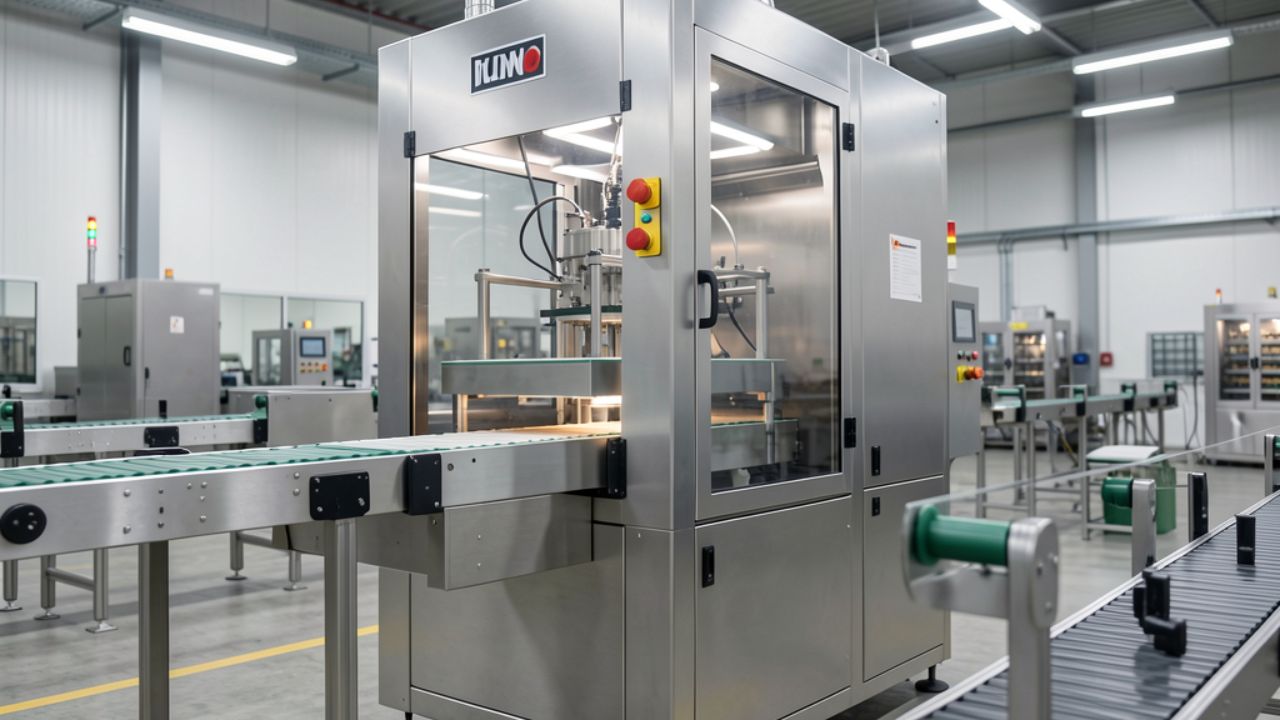
HFFS machines operate horizontally, with product placed on a conveyor while film wraps around it from the side. These systems are suitable for solid items, trays, biscuits, and hardware requiring precise horizontal alignment. Speed capabilities range from 40 to 200 packs per minute for appropriate solid products. HFFS systems require significantly larger floor space footprints compared to vertical configurations.
Entry-level horizontal flow wrapping systems start between USD 20,000 and USD 40,000 for basic models. Film requirements emphasize consistent tension control, precise registration for printed materials, and flexibility for wrapping around product contours. BOPP films with 25 to 35 micron thickness balance flexibility with structural rigidity for HFFS applications.
Premade Pouch Filling Machines
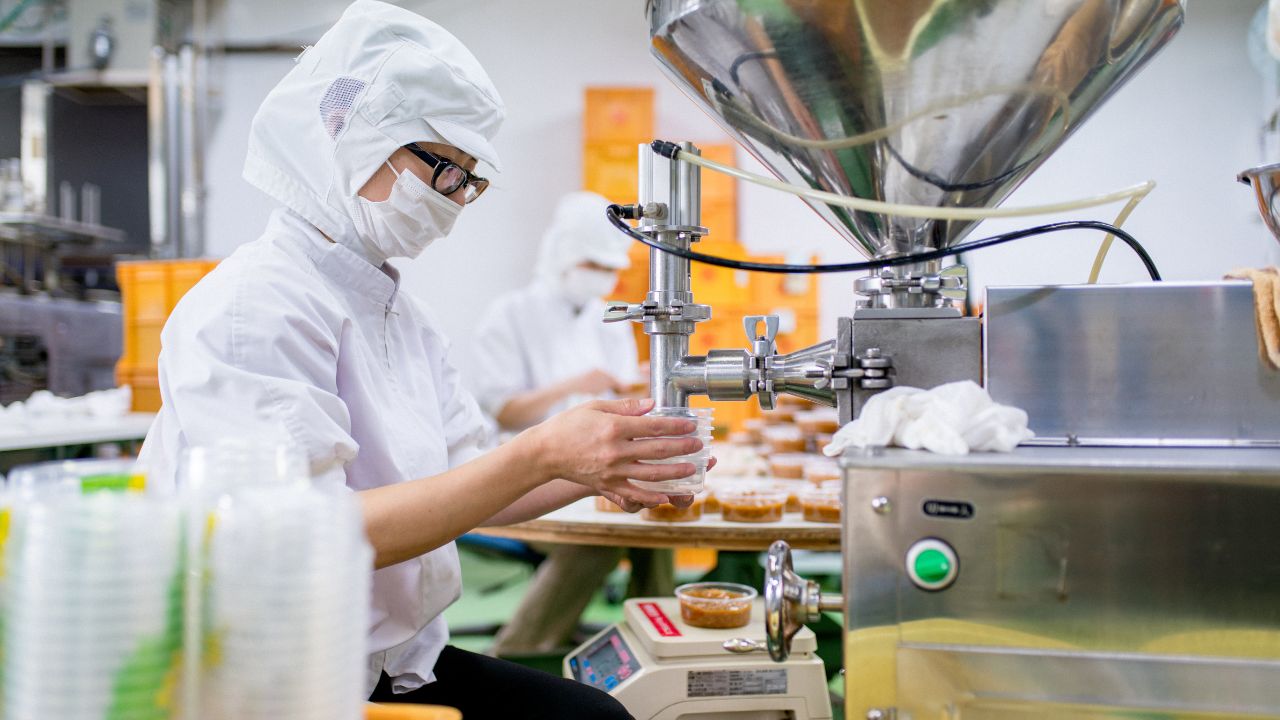
Premade pouch machines load, open, fill, and seal pre-manufactured pouches without forming film. These systems are suitable for snacks, powders, liquids, and premium pre-portioned items requiring diverse pouch styles. Linear machines operate at 20 to 40 bags per minute, while rotary systems achieve 30 to 70 bags per minute. Premade pouch bagging machines eliminate film waste from the forming process while providing exceptional format flexibility.
Semi-automatic premade pouch systems range from USD 4,000 to USD 20,000, depending on automation level. Film compatibility concerns shift to the pouch manufacturer, simplifying internal quality control. Stand-up pouches typically utilize laminated films for shelf stability and barrier protection requirements.
How Do Film Properties Affect Packaging Performance?
Film mechanical and barrier properties determine package integrity, product shelf life, and automated processing reliability. The OPP vs BOPP comparison reveals significant performance differences impacting production outcomes.
Shelf Life and Product Protection
Oxygen transmission rate (OTR) directly correlates with product shelf life for oxygen-sensitive items. BOPP films provide OTR values between 1,000 and 2,000 cc/m²/24hr, adequate for most dry goods. Laminated films achieve OTR below 5 cc/m²/24hr when aluminum layers are incorporated. Moisture vapor transmission rate (MVTR) protects products from humidity-related degradation during storage and distribution.
Product protection extends beyond barrier properties to include puncture resistance and seal integrity. Films must withstand distribution stress, including compression, abrasion, and temperature fluctuations. Optimizing food packaging requires balancing multiple protection factors against economic constraints.
Aesthetic and Printability Considerations
Film clarity directly impacts consumer purchasing decisions by maximizing product visibility on retail shelves. BOPP films provide superior transparency compared to OPP, enhancing package appeal for premium products. Print adhesion and color vibrancy depend on surface treatment quality and corona discharge levels. Metalized films sacrifice transparency for reflective aesthetics while improving oxygen and light barrier properties.
Surface gloss measurements quantify visual appeal, with BOPP films achieving 85% to 95% gloss levels. Print quality requirements increase for products competing in premium retail categories with sophisticated brand presentations. Film selection must align with brand positioning and target retail channel requirements.
Machineability and Automation Compatibility
Film stiffness affects forming reliability in VFFS and HFFS systems, with insufficient rigidity causing tracking problems. The coefficient of friction (COF) determines film handling characteristics, with optimal values between 0.2 and 0.4 for automated equipment. Heat seal temperature windows must accommodate production speed variations without compromising seal strength. Film compatibility testing prevents production interruptions and material waste during format changeovers.
Static charge accumulation causes film handling problems in high-speed automated lines. Anti-static treatments reduce charge buildup, improving registration accuracy and preventing dust attraction. Choosing the right packaging requires evaluating these machineability factors against production environment conditions.
What Are the Sustainability Implications for Film Selection?
Environmental considerations increasingly influence flow wrap film selection decisions across demographic segments and geographic regions. Consumer preferences drive sustainability requirements while technical performance and cost constraints remain critical evaluation factors.
Recyclability and Consumer Preferences
90% of consumers are more likely to buy from brands prioritizing sustainable packaging, according to recent surveys. 54% of respondents purchased products specifically for eco-friendly packaging within six months of survey completion. 59% of Millennials and 56% of Gen Z chose products with sustainable packaging in the past six months. 49% of Gen Z and 47% of Millennials are willing to pay a premium for eco-friendly packaging materials.
BOPP films qualify as recyclable through standard single-stream systems when uncontaminated by food residue. Sustainable film materials comparison reveals tradeoffs between recyclability and compostability across different material categories. Laminated films present recycling challenges due to bonded multi-material construction requiring specialized separation facilities.
Trade-offs Between Barrier Performance and Environmental Impact
Single-material films simplify recycling but may compromise barrier properties for sensitive products. Laminated films provide superior product protection while creating end-of-life disposal challenges for sustainability-focused brands. Compostable films offer environmental benefits but typically cost 30% to 50% more than conventional BOPP. Performance testing confirms compostable alternatives often exhibit lower barrier properties and reduced machineability compared to traditional films.
An extended shelf life achieved through superior barrier films reduces food waste during distribution and storage. This waste reduction must be quantified against recycling difficulties when evaluating total environmental impact. Life cycle assessment methodologies provide frameworks for comparing environmental tradeoffs across film material categories.
Regional and Demographic Considerations
European consumers generally place higher importance on packaging environmental impact compared to North American or Asian markets. Urban shoppers typically prioritize variety, health, and sustainability, while rural consumers emphasize price and convenience. Regional regulatory requirements increasingly mandate recyclable or compostable packaging materials for specific product categories. Film selection strategies must accommodate diverse regional preferences while maintaining production efficiency across manufacturing locations.
Demographic research reveals generational differences in sustainability priority ranking relative to price and convenience factors. Brands targeting younger consumers face stronger pressure to adopt sustainable packaging despite cost premiums. B2B buyers in food manufacturing increasingly specify sustainable materials to meet corporate environmental commitments and consumer expectations.
Integrating Film Types and Packaging Machines for Optimal Flow Wrap Film Selection
Successful flow wrap film selection requires integrating material properties with machine capabilities and product protection requirements. BOPP films provide the optimal default specification for most automated packaging applications, balancing cost, performance, and recyclability. OPP films serve budget-constrained applications with minimal barrier requirements, while laminated films address high-barrier needs despite recycling complications.
Machine compatibility testing validates film performance across VFFS, HFFS, and premade pouch equipment before full production implementation. Total cost of ownership analysis must incorporate material pricing, processing efficiency, and potential product loss from inadequate protection. Wolf-Packing Machine Company provides decades of packaging industry experience, supporting manufacturers in material selection and equipment optimization.
Get the Right Film Running on the Right Machine
Film selection only gets you halfway there. The other half is having a flow wrapping system that handles your chosen material consistently at speed, without film tracking issues, seal failures, or costly changeover downtime.
Wolf Packing designs and supplies horizontal flow wrapping systems built for the film types your products actually require, whether that's standard BOPP for high-speed snack runs or laminated structures for barrier-sensitive applications. Every system is American-made, backed by lifetime support, and configured to your specific film spec and production volume.
If you're evaluating film options alongside new or replacement equipment, talk to Wolf Packing's engineering team first. They'll help you match machine specs to material requirements before you commit to either. Request a Free Consultation or call us to speak directly with an engineer.